

Finland hero

Finland

Where Northern Nature Meets Modern Nordic Life – The Land of Lakes, Forests and Midnight Sun

Finland flag
Summary
titleDecore bar

Finland is one of Northern Europe's most distinctive countries—a land shaped by vast forests, thousands of lakes, long winters, the Northern Lights, and a deep connection with nature. From the elegant streets of Helsinki and the historic traditions of Finnish Lapland to the quiet beauty of its lakes and forests, Finland combines a strong national identity with modern Nordic society. Known for its design, architecture, education, technology, saunas, winter traditions, and remarkable natural landscapes, Finland offers a unique balance between contemporary life and wilderness. In the north, Lapland adds another dimension, with reindeer, Arctic landscapes, snow-covered forests, and the possibility of experiencing the Northern Lights.

Finland at a Glance
titleDecore bar

Official Name

Republic of Finland

Capital

Helsinki

Population

5,600,000

Area

338,500 km²

Government

Parliamentary Republic

Divisions

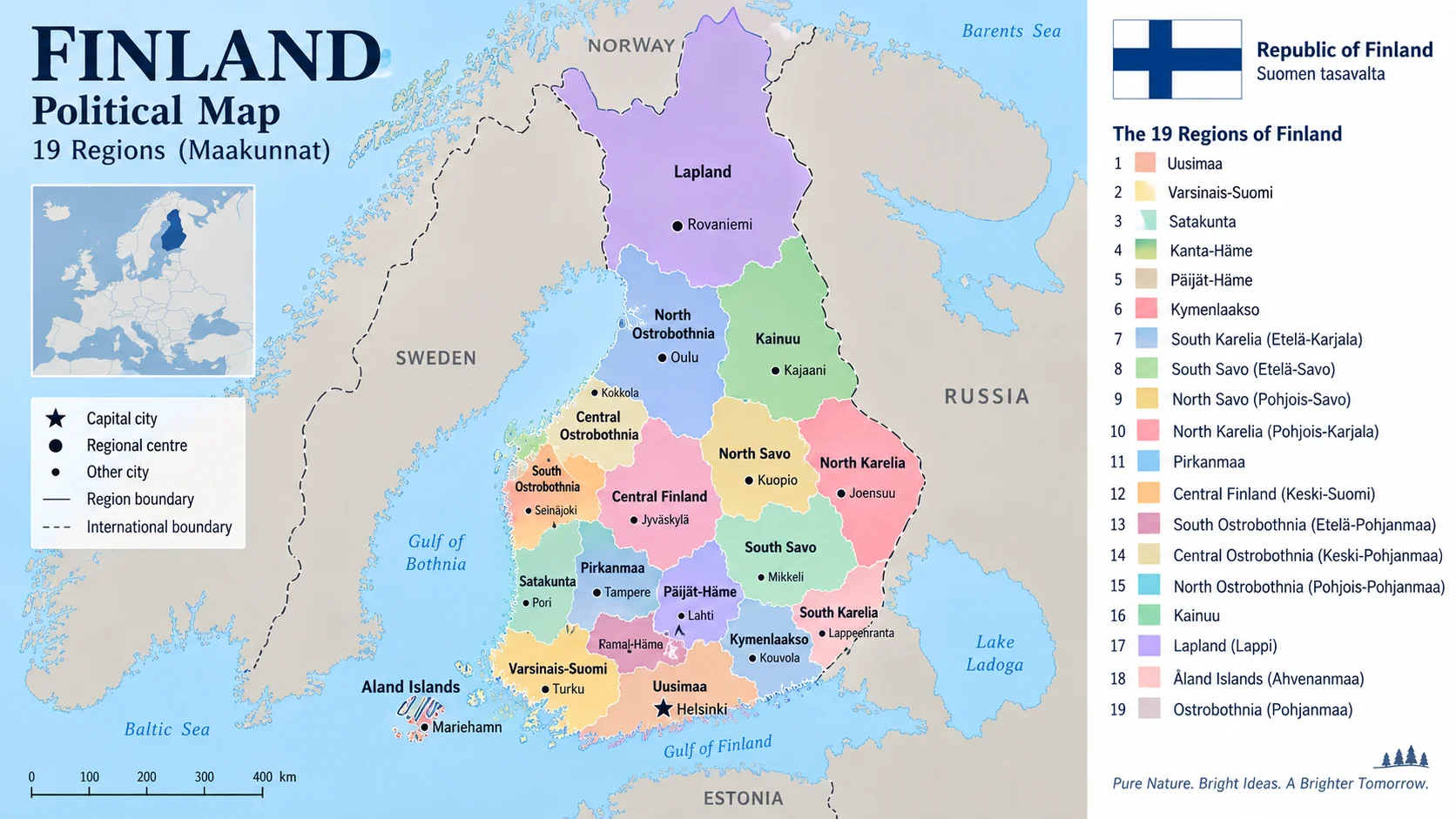
19 regions

Currency

Euro

Languages

Finnish, Swedish

Finland is a Nordic country in Northern Europe, located between Sweden, Norway, and Russia. It is internationally recognized for its forests and lakes, Arctic landscapes, modern design, technology, education, saunas, and high quality of life

Finland is a parliamentary republic. The President serves as head of state, while the Prime Minister leads the government. Legislative power is exercised by the unicameral Parliament, known as the Eduskunta.

Finland is a member of the European Union and has a strong tradition of democratic institutions, social welfare, international cooperation, and Nordic governance

Finnish identity is closely connected to nature, independence, resilience, simplicity, and a strong sense of community.

Forests and lakes are central to Finnish culture, while the sauna is perhaps the country's most recognizable cultural tradition. Spending time in a sauna is deeply integrated into Finnish life and can be part of everyday routines, family gatherings, and social occasions.

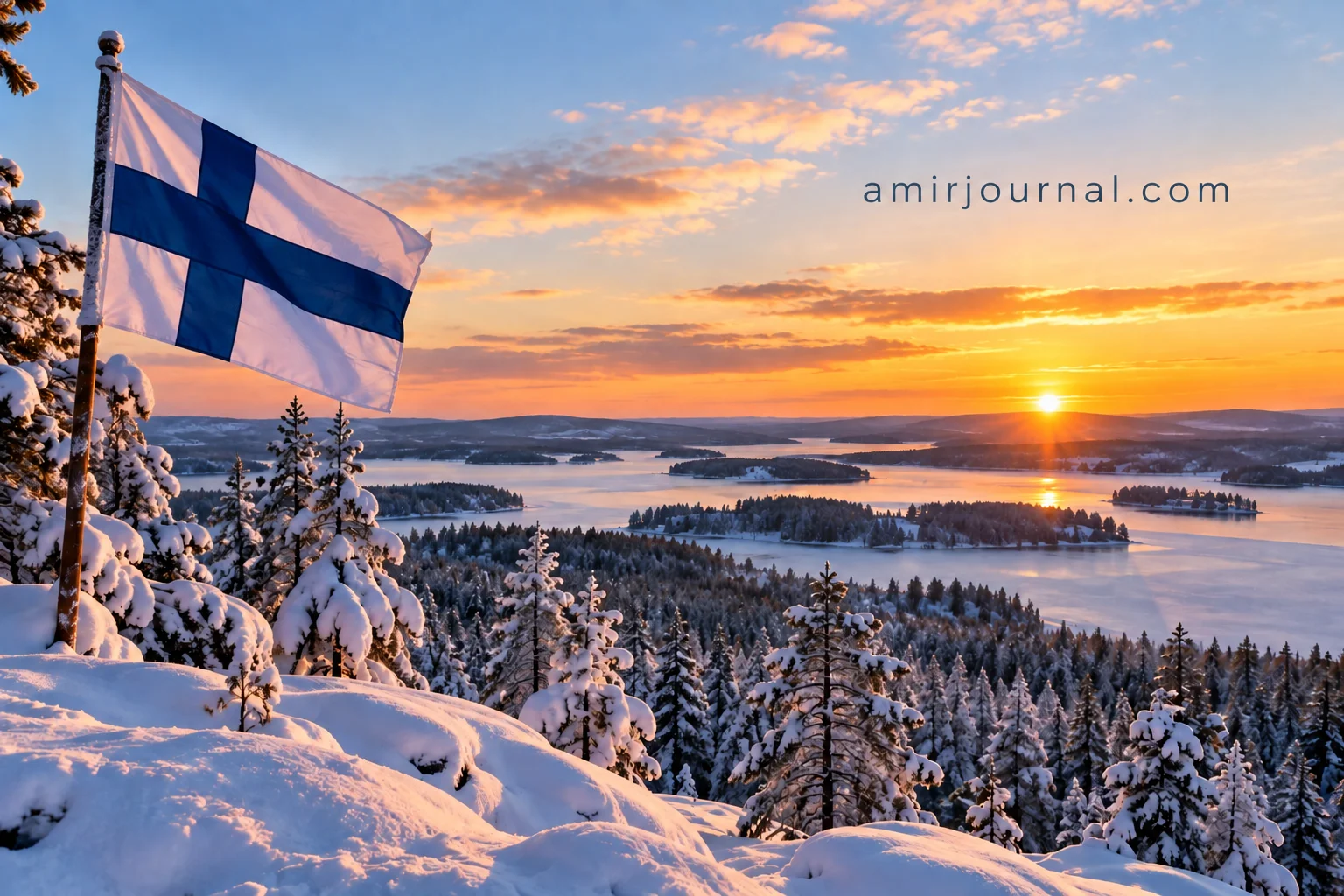
Other important symbols include the Finnish flag, the Sisu concept of perseverance and determination, the reindeer of Lapland, and the country's vast forests and lakes

Finland has approximately 5.6 million inhabitants. The population is concentrated mainly in the southern part of the country, particularly around the Helsinki metropolitan region.

Finland has two official national languages: Finnish and Swedish. The country also has a Sámi population in northern Lapland, whose languages and cultural traditions form an important part of Finland's northern heritage.

Daily life in Finland is strongly connected to nature and the changing seasons.

Finnish cities combine modern architecture, efficient public transportation, cafés, libraries, restaurants, design shops, and cultural spaces. Outside the cities, forests, lakes, islands, and countryside become part of everyday life.

Summer brings long bright days, outdoor dining, swimming, boating, hiking, and time spent at lakeside cottages. Winter transforms the landscape into a world of snow, frozen lakes, forests, and short daylight hours.

The Finnish summer cottage, or mökki, is an important part of this lifestyle, providing a place to slow down, enjoy nature, swim, fish, and experience the traditional sauna

Best Time to Visit

June–August for summer and September–April for Northern Lights and winter experiences

Climate

Cold winters and mild summers, with significant regional differences between southern Finland and Lapland

Avg. Temperature: Around 5–6°C (41–43°F) annually, varying considerably between the south and the Arctic north.

Location: Northern Europe

Borders: Sweden, Norway, and Russia

Finland has one of Europe's most distinctive natural environments, with enormous forests, thousands of lakes, islands, wetlands, and Arctic landscapes.

· South:
Urban centers, coastline, islands, and the Helsinki region

· West:
Baltic Sea coastline, archipelagos, and agricultural landscapes

· Central Finland:
The famous lake district, forests, waterways, and summer cottages

· North:
Lapland, Arctic wilderness, forests, fells, and reindeer landscapes

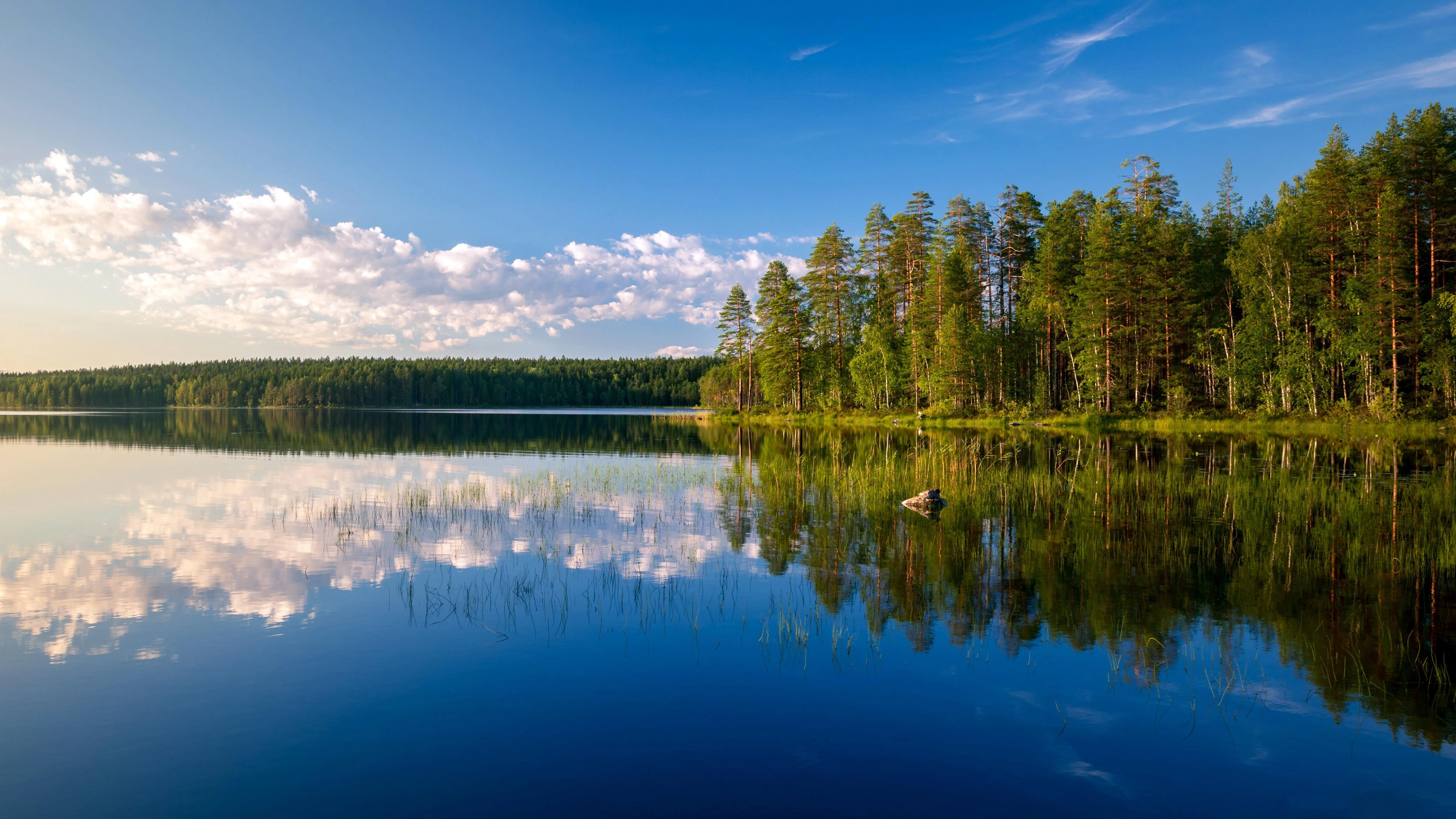
Finland is often called the “Land of a Thousand Lakes,” although the actual number of lakes is far greater than one thousand. Forests cover a large proportion of the country's territory and are fundamental to Finnish nature and identity.

Finland identity
Story Of Finland - History & Identity
titleDecore bar

Hover over a point to see more — tap on mobile

Before 1150
Ancient Peoples & Early Heritage
1150s–1293
Swedish Rule Begins
1323
Treaty of Nöteborg
1300s–1500s
Medieval Finland
1548
The Reformation & Mikael Agricola
1600s
Swedish Finland & the Great Power Era
1700s
War, Hardship & Cultural Development
1809
Finland Becomes an Autonomous Grand Duchy
1800s
National Awakening
1899–1905
Russification & Resistance
1906
Universal Suffrage & Political Reform
1917
Independence
1918
Finnish Civil War
1939–1940
Winter War
1941–1944
Continuation War & Reconstruction
1945–1960s
Reconstruction & Industrialization
1970s–1980s
Modernization & Nordic Welfare State
1991–1995
Economic Crisis & European Integration
1995
Finland Joins the European Union
1990s–2000s
Technology & Nokia Era
2000s
Education, Design & Global Recognition
2012
Helsinki World Design Capital
2020s
Sustainability, Technology & Arctic Development
2023
Finland Joins NATO
2026
Finland Today

Historical Sites & Reflections

Finland story

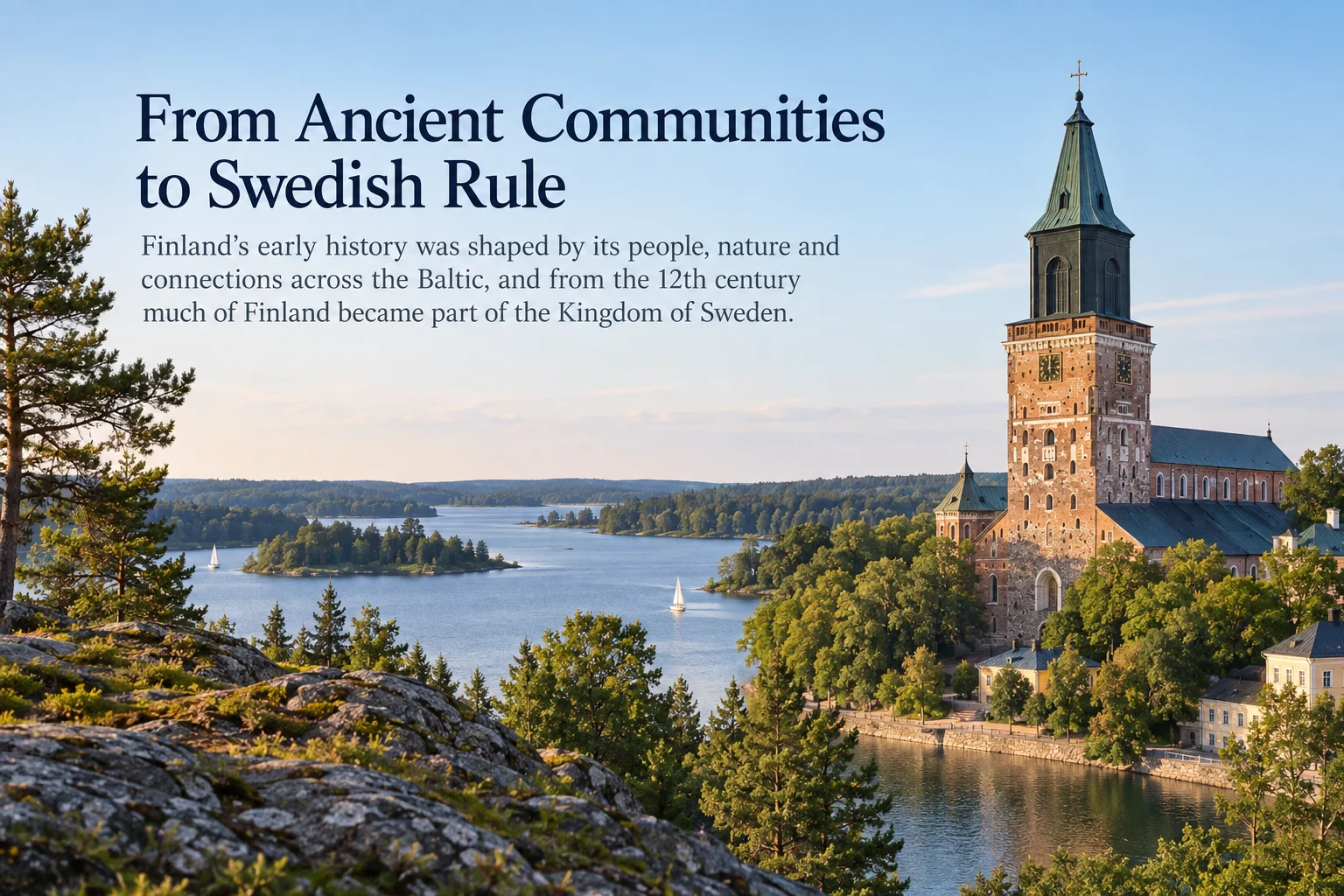
Finland’s story reaches back thousands of years, shaped by ancient hunter-gatherer communities, farming settlements, trade, and cultural connections across the Baltic and northern Europe.

For centuries, the territory that is now Finland developed through connections with neighboring Scandinavian, Baltic, and eastern European societies. Finnish-speaking communities developed distinctive languages, traditions, beliefs, and relationships with forests, lakes, and the northern landscape.

From the 12th century onward, much of Finland became integrated into the Kingdom of Sweden. Swedish administration, Christianity, law, education, and European institutions gradually influenced Finnish society. Turku became an important political and religious centre, and Turku Cathedral remains one of the country's most significant medieval landmarks
Finland story

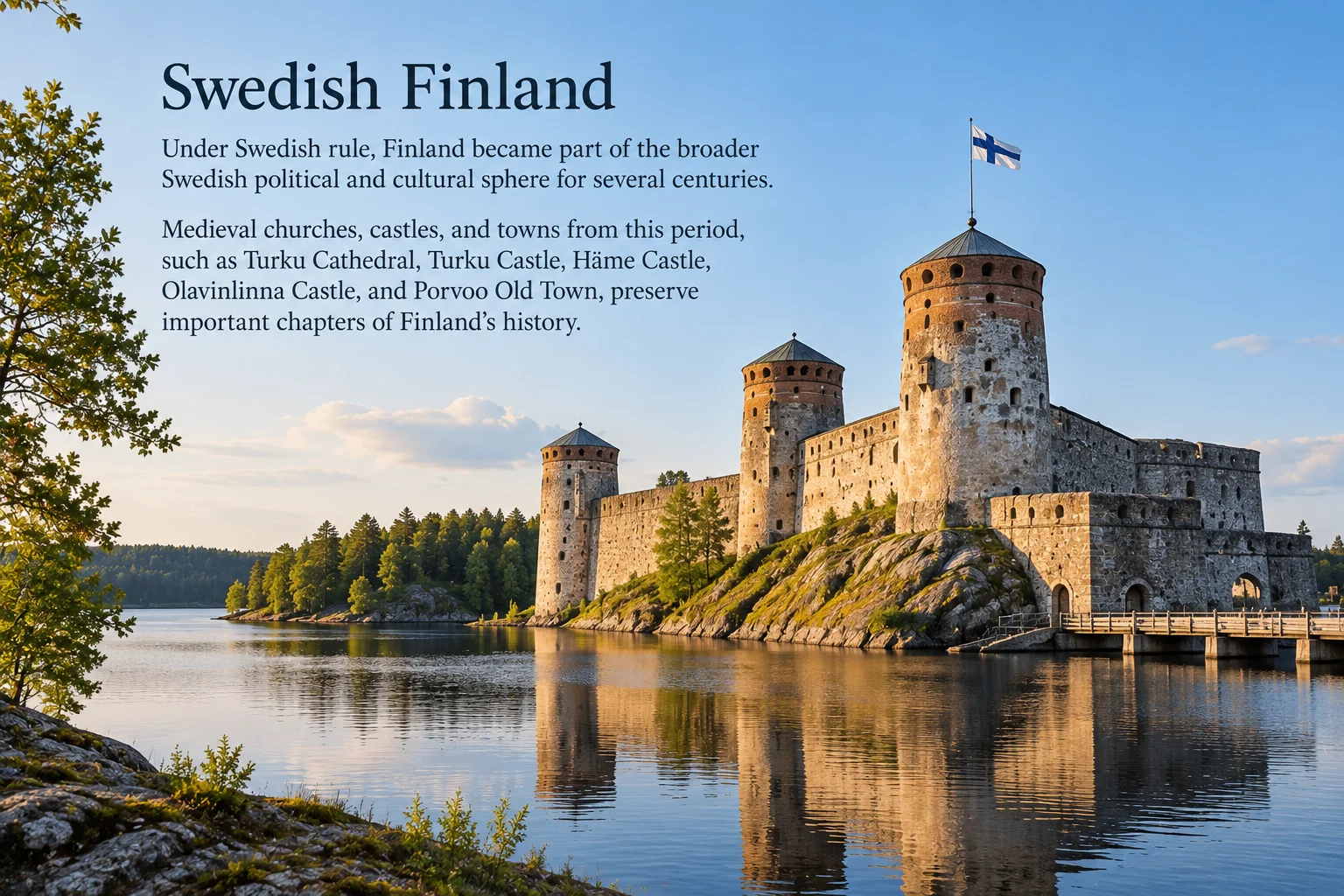
Under Swedish rule, Finland became part of the broader Swedish political and cultural sphere for several centuries.

Swedish became an important administrative and cultural language, while Finnish remained the language of the majority of the population. Christianity became deeply established, and medieval churches, castles, and towns developed across the region.

Important historic sites from this period include:

·        Turku Cathedral

·        Turku Castle

·        Häme Castle

·        Olavinlinna Castle

·        Porvoo Old Town

These places preserve important chapters of Finland's medieval and early modern history.
Finland story

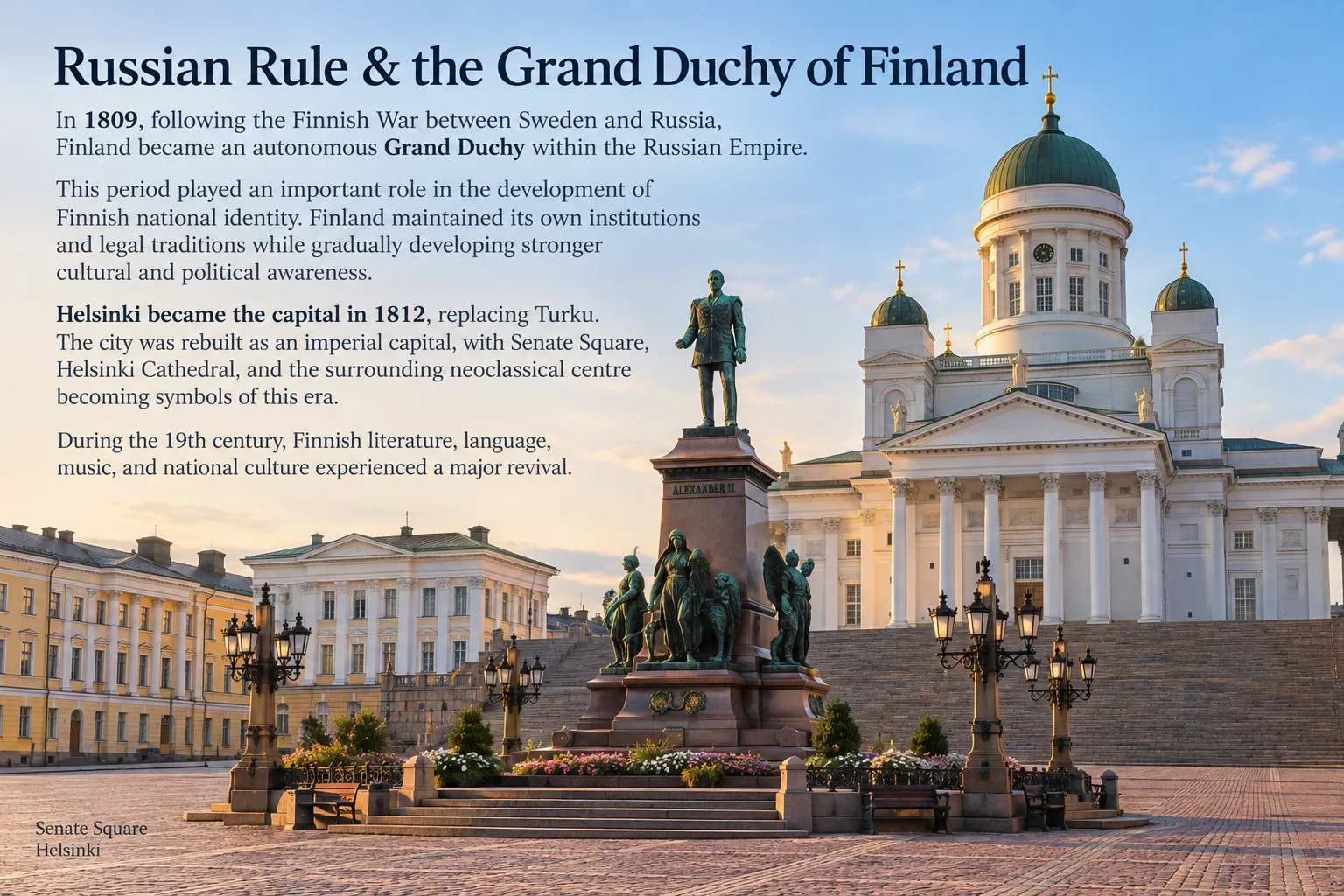
In 1809, following the Finnish War between Sweden and Russia, Finland became an autonomous Grand Duchy within the Russian Empire.

This period played an important role in the development of Finnish national identity. Finland maintained its own institutions and legal traditions while gradually developing stronger cultural and political awareness.

Helsinki became the capital in 1812, replacing Turku. The city was rebuilt as an imperial capital, with Senate Square, Helsinki Cathedral, and the surrounding neoclassical centre becoming symbols of this era.

During the 19th century, Finnish literature, language, music, and national culture experienced a major revival
Finland story

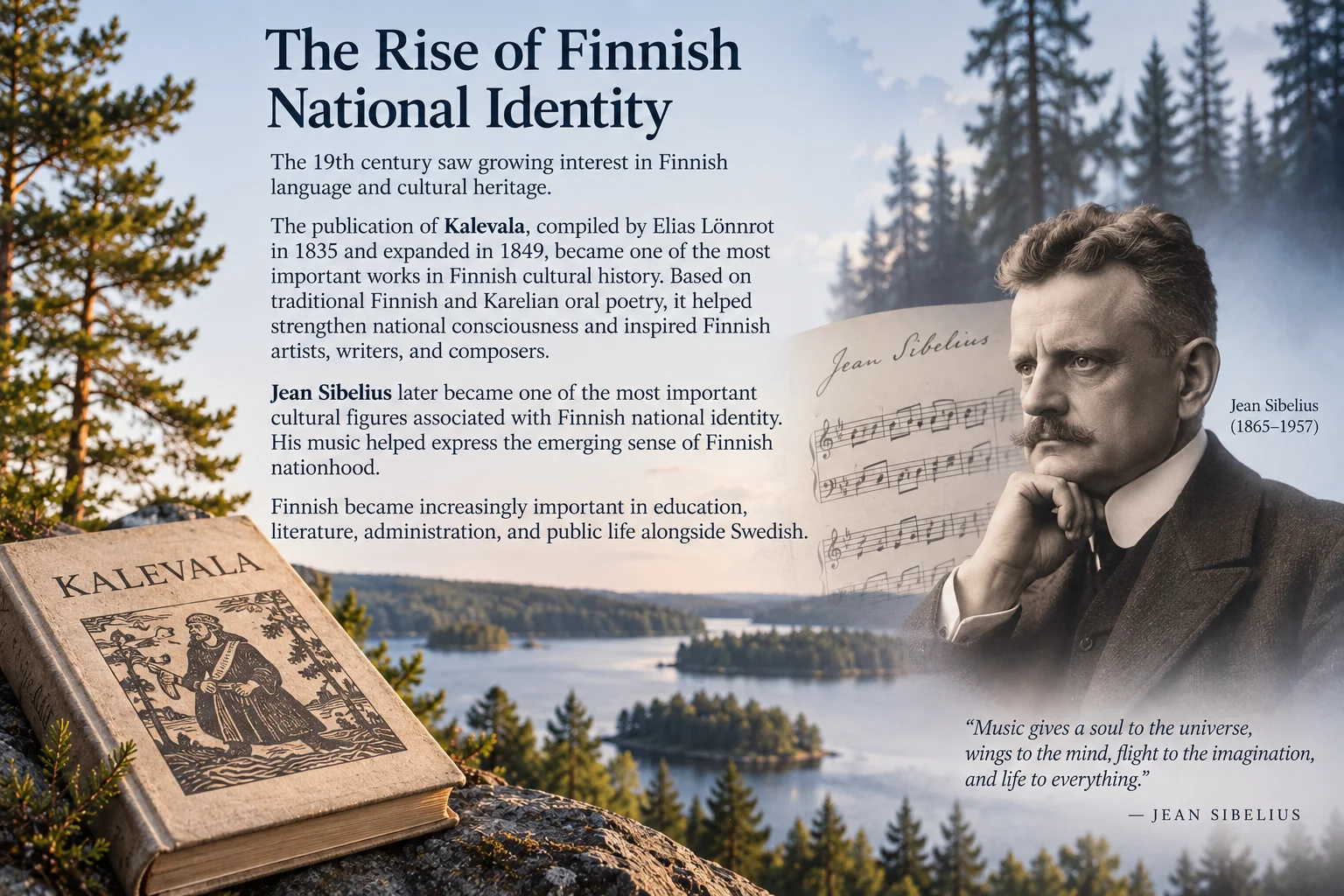
The 19th century saw growing interest in Finnish language and cultural heritage.

The publication of Kalevala, compiled by Elias Lönnrot in 1835 and expanded in 1849, became one of the most important works in Finnish cultural history. Based on traditional Finnish and Karelian oral poetry, it helped strengthen national consciousness and inspired Finnish artists, writers, and composers.

Jean Sibelius later became one of the most important cultural figures associated with Finnish national identity. His music helped express the emerging sense of Finnish nationhood.

Finnish became increasingly important in education, literature, administration, and public life alongside Swedish
Finland story

The 19th century saw growing interest in Finnish language and cultural heritage.

The publication of Kalevala, compiled by Elias Lönnrot in 1835 and expanded in 1849, became one of the most important works in Finnish cultural history. Based on traditional Finnish and Karelian oral poetry, it helped strengthen national consciousness and inspired Finnish artists, writers, and composers.

Jean Sibelius later became one of the most important cultural figures associated with Finnish national identity. His music helped express the emerging sense of Finnish nationhood.

Finnish became increasingly important in education, literature, administration, and public life alongside Swedish

Finland story

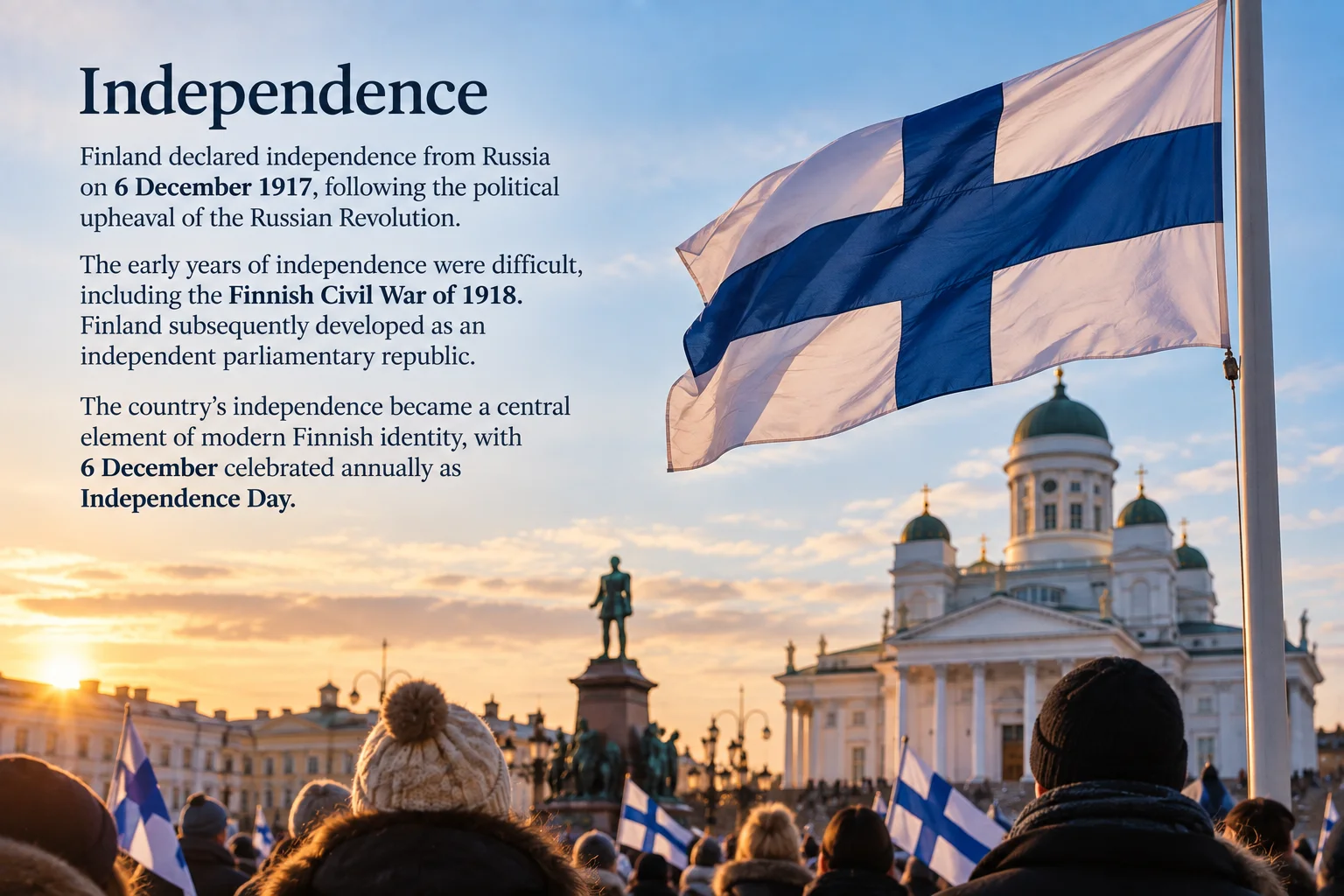
Finland declared independence from Russia on 6 December 1917, following the political upheaval of the Russian Revolution.

The early years of independence were difficult, including the Finnish Civil War of 1918. Finland subsequently developed as an independent parliamentary republic.

The country's independence became a central element of modern Finnish identity, with 6 December celebrated annually as Independence Day
Finland story

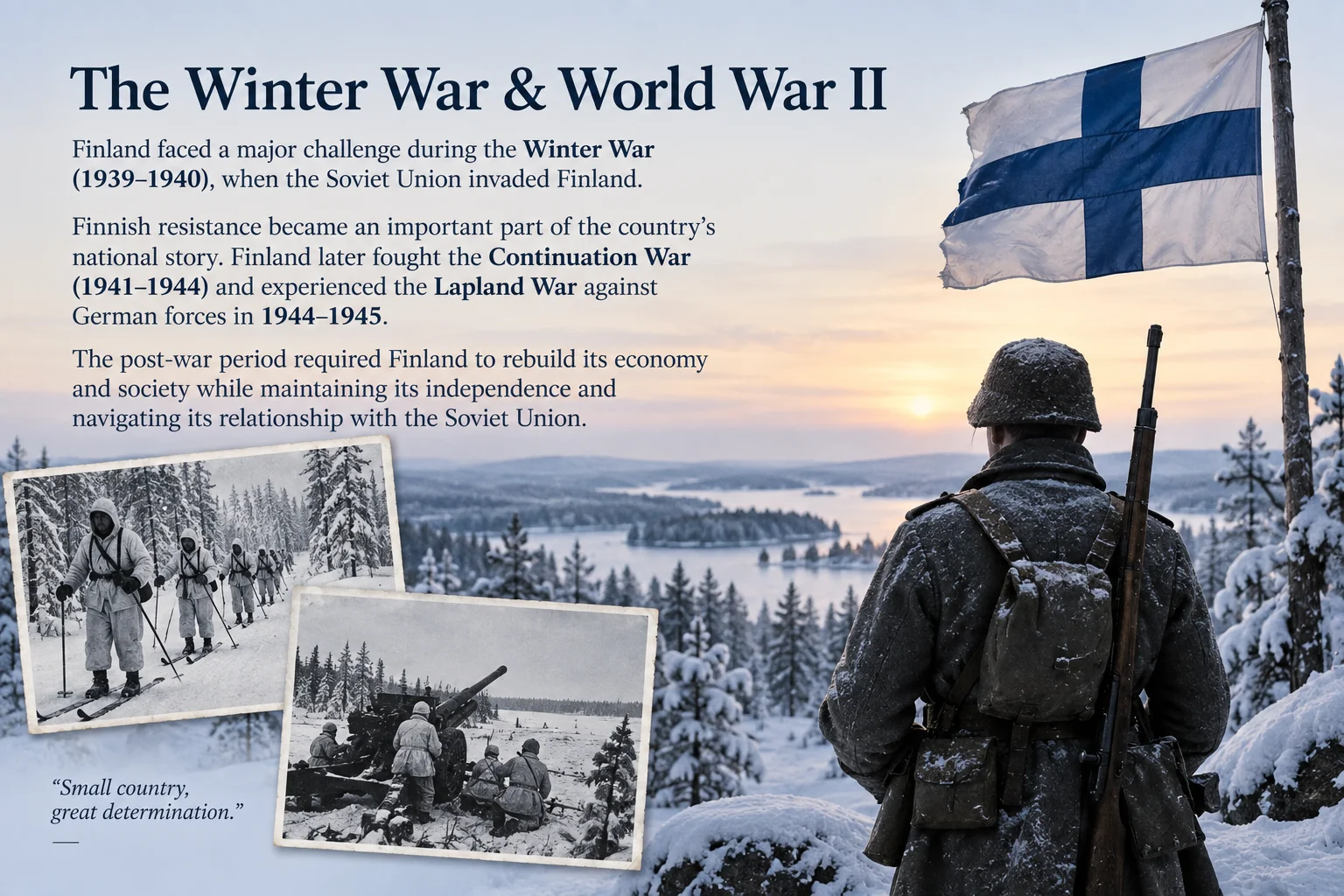
Finland faced a major challenge during the Winter War (1939–1940), when the Soviet Union invaded Finland.

Finnish resistance became an important part of the country's national story. Finland later fought the Continuation War (1941–1944) and experienced the Lapland War against German forces in 1944–1945.

The post-war period required Finland to rebuild its economy and society while maintaining its independence and navigating its relationship with the Soviet Union
Finland story

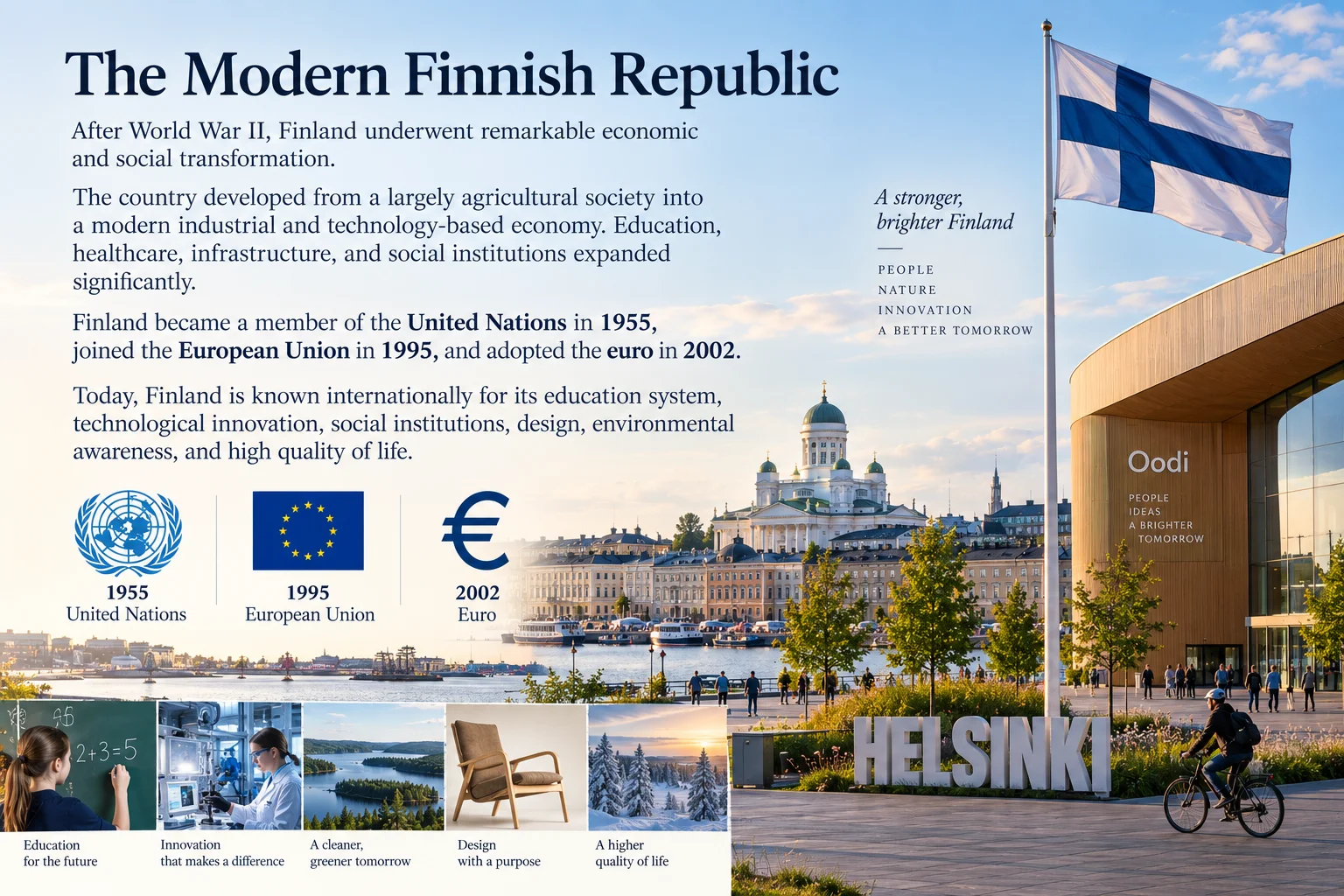
After World War II, Finland underwent remarkable economic and social transformation.

The country developed from a largely agricultural society into a modern industrial and technology-based economy. Education, healthcare, infrastructure, and social institutions expanded significantly.

Finland became a member of the United Nations in 1955, joined the European Union in 1995, and adopted the euro in 2002.

Today, Finland is known internationally for its education system, technological innovation, social institutions, design, environmental awareness, and high quality of life
Finland story

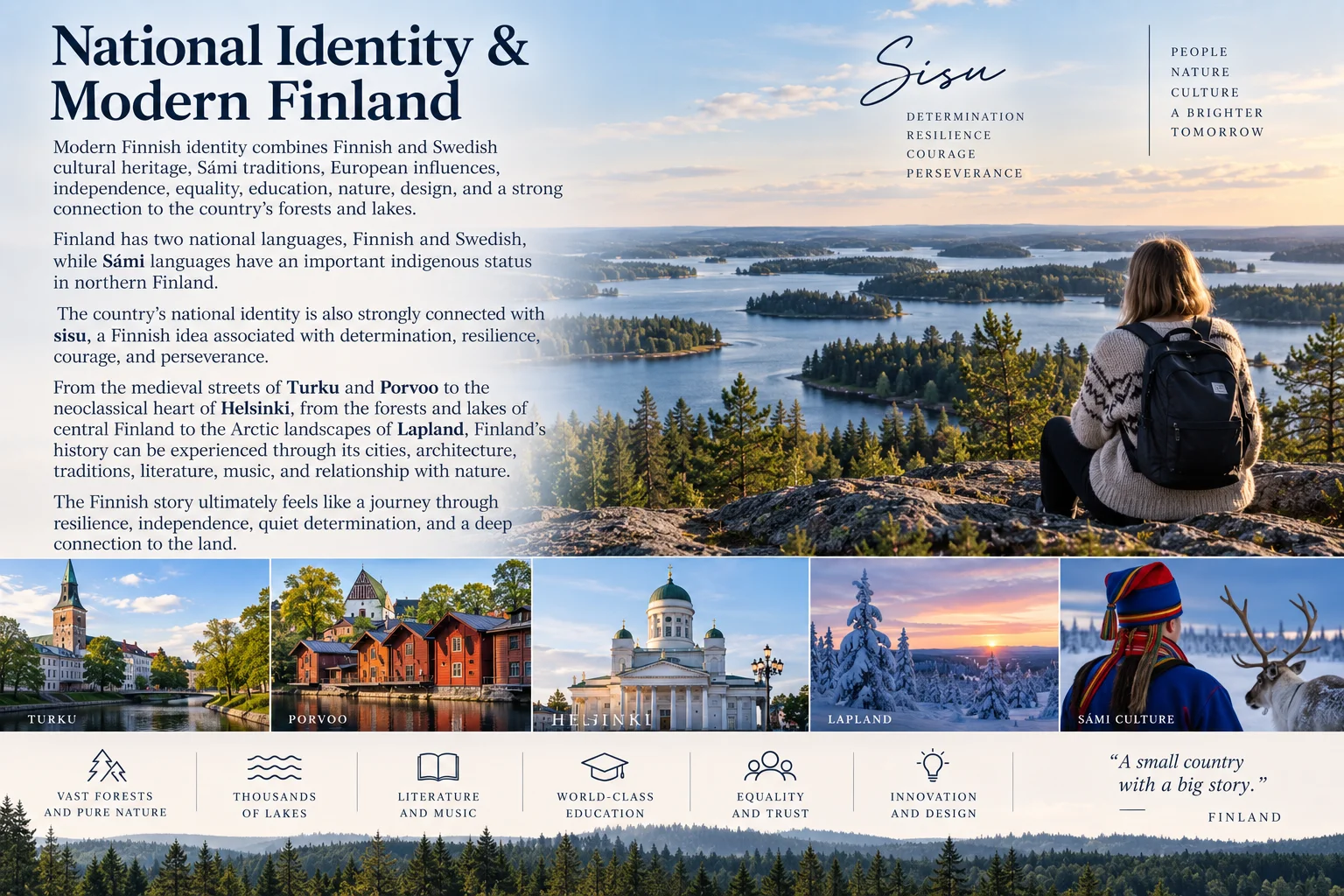
Modern Finnish identity combines Finnish and Swedish cultural heritage, Sámi traditions, European influences, independence, equality, education, nature, design, and a strong connection to the country's forests and lakes.

Finland has two national languages, Finnish and Swedish, while Sámi languages have an important indigenous status in northern Finland.

The country's national identity is also strongly connected with concepts such as sisu, a Finnish idea associated with determination, resilience, courage, and perseverance.

From the medieval streets of Turku and Porvoo to the neoclassical heart of Helsinki, from the forests and lakes of central Finland to the Arctic landscapes of Lapland, Finland's history can be experienced through its cities, architecture, traditions, literature, music, and relationship with nature.

The Finnish story ultimately feels like a journey through resilience, independence, quiet determination, and a deep connection to the land
Finland story

Leadership & History

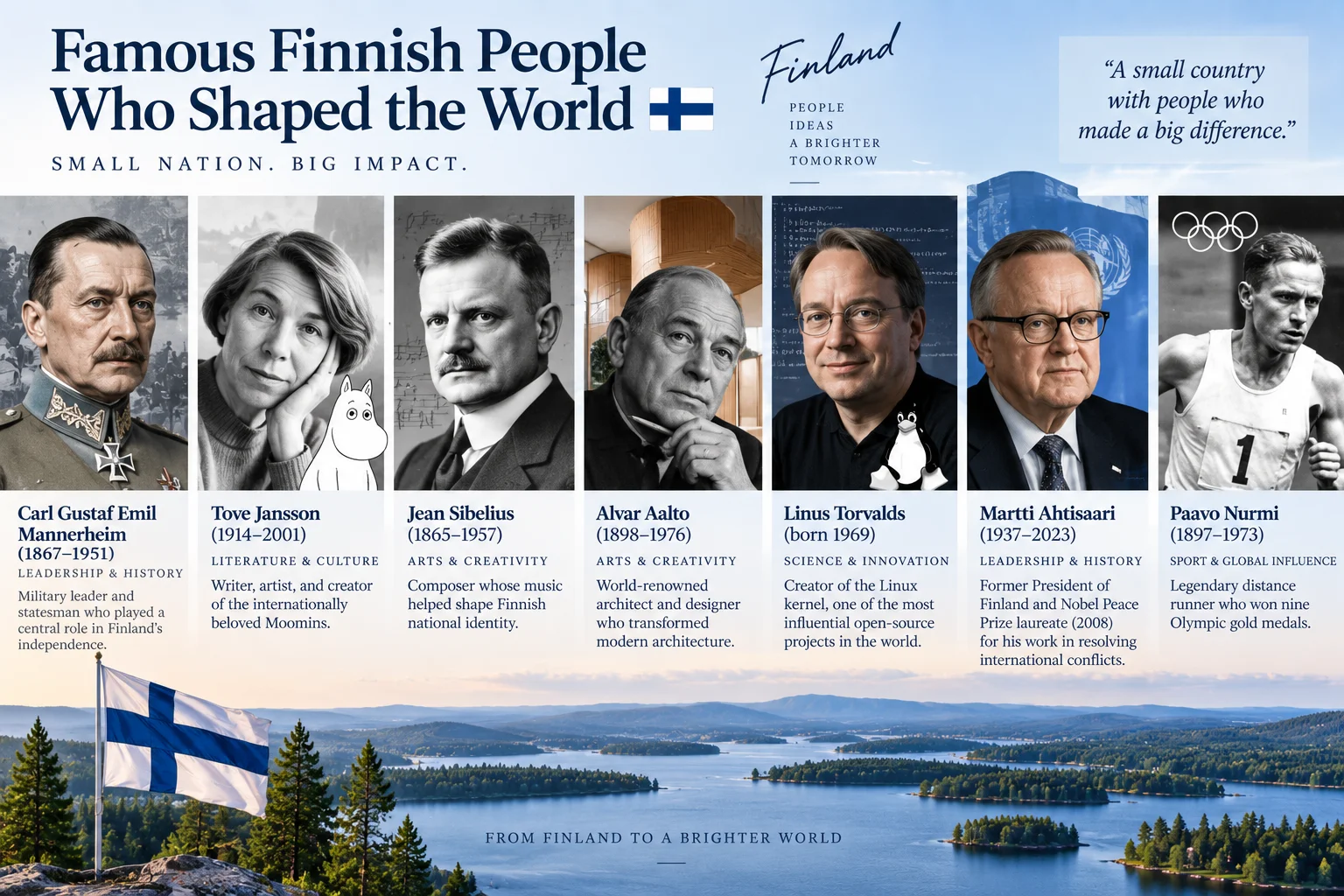
· Carl Gustaf Emil Mannerheim (1867–1951) — Finnish military leader and statesman who played a central role in Finland's independence and later served as President of Finland.

· Urho Kekkonen (1900–1986) — One of Finland's most influential political leaders, serving as President for more than two decades and shaping Finland's post-war foreign policy.

· Martti Ahtisaari (1937–2023) — Finnish diplomat and former President of Finland who received the Nobel Peace Prize in 2008 for his work in resolving international conflicts.

Literature & Culture

· Elias Lönnrot (1802–1884) — Physician, scholar, and collector of Finnish and Karelian oral poetry who compiled the Kalevala, a cornerstone of Finnish national culture.

· Tove Jansson (1914–2001) — Finnish-Swedish writer, artist, and creator of the internationally beloved Moomins.

· Frans Eemil Sillanpää (1888–1964) — Finland's first Nobel Prize winner in Literature, recognized for his literary works portraying Finnish rural life and humanity.

Science & Innovation

· Linus Torvalds (born 1969) — Finnish-American software engineer who created the Linux kernel, one of the most influential open-source projects in the history of computing.

· Artturi Ilmari Virtanen (1895–1973) — Nobel Prize-winning chemist whose research contributed significantly to agricultural and nutritional science.

· Bengt Holmström (born 1949) — Finnish economist and Nobel Prize laureate whose research transformed understanding of contracts, incentives, and economic decision-making.

Arts & Creativity

· Alvar Aalto (1898–1976) — World-renowned architect and designer whose human-centered approach transformed modern architecture and Scandinavian design.

· Jean Sibelius (1865–1957) — Finland's most internationally celebrated composer, whose music played an important role in the development of Finnish national identity.

· Akseli Gallen-Kallela (1865–1931) — Influential Finnish painter whose works drew heavily on the Kalevala, Finnish mythology, and national landscapes.

Business & Technology

· Fredrik Idestam (1838–1916) — Founder of the company that eventually became Nokia, helping establish the foundation of one of Finland's most internationally recognized companies.

· Gunnar Nordström (1881–1923) — Finnish theoretical physicist whose work contributed to early developments in theoretical physics and gravitation.

· Peter Vesterbacka (born 1968) — Finnish technology entrepreneur and former Rovio executive, associated with the global success of Angry Birds.

Sport & Global Influence

· Paavo Nurmi (1897–1973) — Legendary Finnish distance runner who won nine Olympic gold medals and became one of the greatest athletes of the 20th century.

· Kimi Räikkönen (born 1979) — Formula 1 World Champion known worldwide as one of Finland's most successful motorsport figures.

· Teemu Selänne (born 1970) — Finnish ice hockey legend and one of the most successful Finnish players in NHL history.

Finnish is Known For

A quick look at the core characteristics, structures, and cultural definitions that shape the Finland reputation worldwide.

History & Cultural Heritage

Finland is renowned for its rich history shaped by centuries of Swedish and Russian rule, followed by independence in 1917. Medieval castles, historic churches, old towns, fortresses, and UNESCO World Heritage Sites reflect the country's long journey toward a distinct Finnish identity

Art & Architecture

Finnish architecture and design are internationally recognized for simplicity, functionality, natural materials, and harmony with the surrounding environment. Historic wooden buildings and churches stand alongside modern architecture. The work of Alvar Aalto has had a major influence on modern architecture and design, while Finnish brands such as Marimekko and Iittala have helped establish Finland's distinctive design identity worldwide.

Literature & Language

Finnish literature is deeply connected with national identity. The Kalevala, compiled by Elias Lönnrot from traditional Finnish and Karelian oral poetry, played an important role in the development of Finnish national consciousness. Finland has two national languages, Finnish and Swedish, while Sámi languages have protected status in parts of northern Finland. Writers such as Tove Jansson, Mika Waltari, and Väinö Linna have brought Finnish literature to international audiences.

Food & Gastronomy

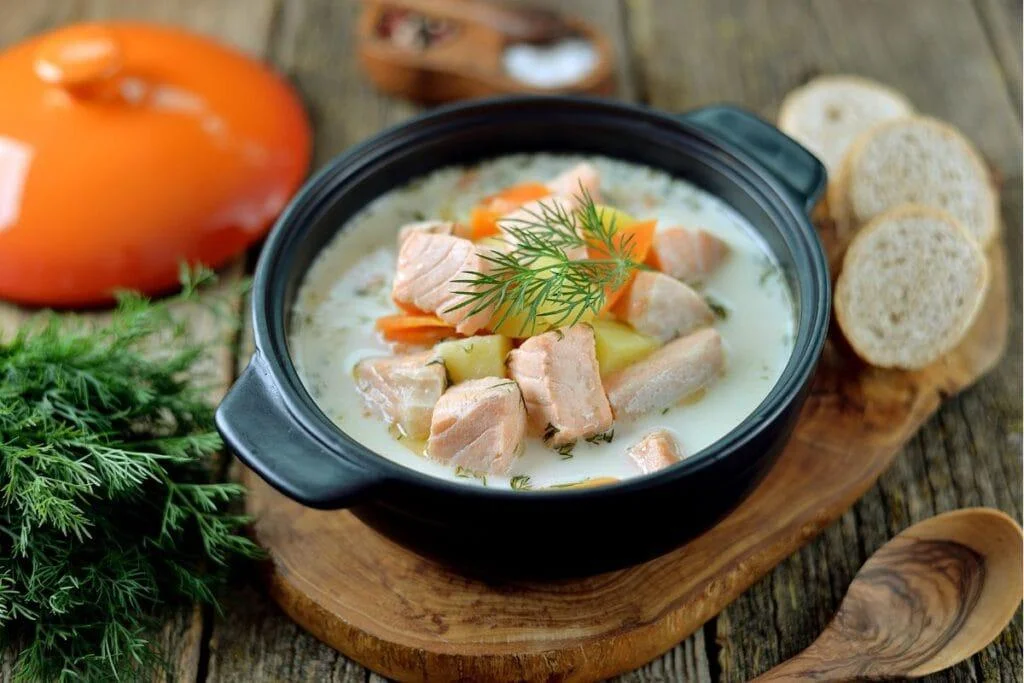
Finnish cuisine reflects the country's forests, lakes, Baltic coastline, northern climate, and strong seasonal traditions. Famous foods include lohikeitto (salmon soup), karjalanpiirakka (Karelian pies), ruisleipä (rye bread), poronkäristys (sautéed reindeer), lake fish, wild mushrooms, lingonberries, blueberries, and cloudberries. Finnish coffee culture is also an important part of everyday life, often enjoyed with pulla, a traditional sweet bread.

Festivals & Traditions

Finland celebrates traditions throughout the year, many of them closely connected with the changing seasons. Juhannus (Midsummer) is one of the country's most important celebrations, associated with lakeside cottages, bonfires, nature, and long summer evenings. Christmas, Vappu, Independence Day, and numerous local cultural and music festivals also play an important role in Finnish life. Winter traditions include skiing, ice swimming, snow activities, and experiencing the Northern Lights in Lapland

Education & Research

Finland is internationally recognized for its education system, universities, research, and emphasis on equality and lifelong learning. Institutions such as the University of Helsinki, Aalto University, and the University of Turku contribute to research in science, technology, medicine, engineering, design, and environmental studies.

Technology & Sustainability

Finland is known for innovation in telecommunications, digital technology, clean technology, engineering, gaming, and sustainable development. The country has strong expertise in forestry, renewable energy, digital services, circular economy, sustainable construction, and environmental technology. Finland's technology sector has also produced globally influential companies and innovations, including Nokia and the Linux operating system

Tourism & Lifestyle

Finland attracts travelers with its combination of pristine nature, modern cities, seasonal experiences, and distinctive lifestyle. Visitors are drawn to Helsinki, Finnish Lakeland, the Archipelago Sea, Lapland, Northern Lights, Midnight Sun, national parks, skiing, sauna, forest walks, lakeside cottages, and Christmas experiences. The Finnish lifestyle is closely connected with nature and the seasons. A quiet forest, a frozen lake, a warm sauna, and a summer evening beside a cottage can all become part of the Finnish experience

Global Influence & Diplomacy

Finland plays an active role in European and international affairs through the European Union, United Nations, Nordic cooperation, and other international organizations. It is also a member of NATO, having joined in 2023. Finland's international reputation is closely associated with education, innovation, design, technology, environmental responsibility, social stability, and its long tradition of international cooperation.

Sámi & Traditional Culture

The Sámi are the Indigenous people of northern Finland and have a distinctive cultural heritage shaped by the Arctic environment. Sámi languages, traditional clothing, handicrafts, music, storytelling, reindeer herding, and close connections with nature remain important elements of northern Finnish culture. Finnish traditions are also strongly associated with sauna culture, cottage life, midsummer celebrations, Christmas traditions, and sisu—a Finnish idea of perseverance, courage, and inner strength

Regional Diversity

Finland's regions offer distinct landscapes, traditions, and identities: · Helsinki & Uusimaa — Design, architecture, museums, islands, and Baltic Sea life. · Turku & Southwest Finland — Medieval history, castles, and the Archipelago Sea. · Tampere & Pirkanmaa — Lakes, industrial heritage, and urban culture. · Lakeland & Savonia — Forests, lakes, cottages, fishing, and traditional cuisine. · Karelia — Folklore, Karelian cuisine, forests, and the Kalevala. · Ostrobothnia — Coastal landscapes, agriculture, and Swedish-speaking communities. · Åland — Swedish-speaking islands, maritime culture, and Baltic heritage. · Lapland — Arctic landscapes, Sámi culture, reindeer, skiing, Northern Lights, and Midnight Sun

The Land of a Thousand Lakes

Finland is famously known as the “Land of a Thousand Lakes,” a nickname that reflects its extraordinary landscape of lakes, forests, islands, and waterways. From the vast Lake Saimaa to countless smaller lakes hidden among the forests, water is an essential part of the Finnish landscape and way of life
The Finnish Spirit
titleDecore bar

Understanding society, traditions, and daily life in Finland

Finnish society is shaped by equality, trust, personal independence, nature, and a strong sense of community. Finnish people are often described as calm, honest, practical, and respectful of personal space. Conversations tend to be straightforward and sincere, while silence is considered comfortable and natural rather than awkward.

Family, close friendships, and time spent in nature are important parts of everyday life. The traditional Finnish sisu—a cultural idea associated with determination, resilience, and inner strength—reflects an important part of the national character.

The rhythm of Finnish life changes with the seasons. Summer brings long bright evenings, outdoor activities, lakeside gatherings, and time at cottages, while winter creates a different atmosphere of snow, darkness, saunas, and northern lights. Cities such as Helsinki, Tampere, Turku, Oulu, and Rovaniemi combine modern urban life with easy access to forests, lakes, and outdoor spaces

Finnish fashion reflects the country's practical and minimalist character. Everyday clothing is generally comfortable, functional, and suited to the changing seasons, with particular attention to warm layers and quality outdoor clothing during the long winter.

Finnish design has achieved international recognition for its simplicity, functionality, and connection with nature. Brands and designers associated with Finnish design have helped establish the country's distinctive aesthetic, while Marimekko, with its bold patterns and colorful designs, has become one of Finland's best-known cultural and fashion symbols.

Traditional Finnish clothing is mainly seen during folk festivals, national celebrations, cultural performances, and regional events. Different parts of Finland have their own traditional costumes, reflecting local history and heritage

Finnish and Swedish are the two official national languages of Finland. Finnish is spoken by the large majority of the population, while Swedish has a particularly strong presence along parts of the western and southern coast and in the Åland Islands.

Finland also recognizes Sámi languages as indigenous languages in the northern Sámi homeland.

·        Finnish (Suomi) — The principal language spoken throughout most of Finland.

·        Swedish (Svenska) — An official language with historic communities particularly along the coast.

·        Northern Sámi — One of the indigenous Sámi languages spoken in northern Finland.

·        Inari Sámi — Traditionally spoken in the Inari region.

·        Skolt Sámi — Spoken by the Skolt Sámi community in northeastern Finland.

Regional identity is especially visible in Lapland, the Åland Islands, Ostrobothnia, Karelia, and the eastern lake district, where local traditions, dialects, food, architecture, and lifestyles contribute to Finland's cultural diversity

Useful Finnish Words & Phrases

Sisu — determination, resilience, inner strength

Kiitos — thank you

Ole hyvä — you're welcome / please / here you are

Hei! — hello / hi

Moi! — hi / bye

Näkemiin — goodbye

Tervetuloa! — welcome

Anteeksi — excuse me / sorry

Kyllä — yes

Ei — no

Hyvää huomenta — good morning

Hyvää iltaa — good evening

Mitä kuuluu? — how are you?

Hyvää kuuluu — I'm doing well

Puhutko englantia? — do you speak English?

Voitko auttaa? — can you help?

Missä on…? — where is…?

Paljonko tämä maksaa? — how much does this cost?

Vettä, kiitos — water, please

Kahvi, kiitos — coffee, please

Lasku, kiitos — the bill, please

Hyvää ruokahalua! — enjoy your meal!

Kippis! — cheers!

Hyvää matkaa! — have a good journey!

Sauna — sauna, an important part of Finnish culture

Luonto — nature

Järvi — lake

Metsä — forest

Lumi — snow

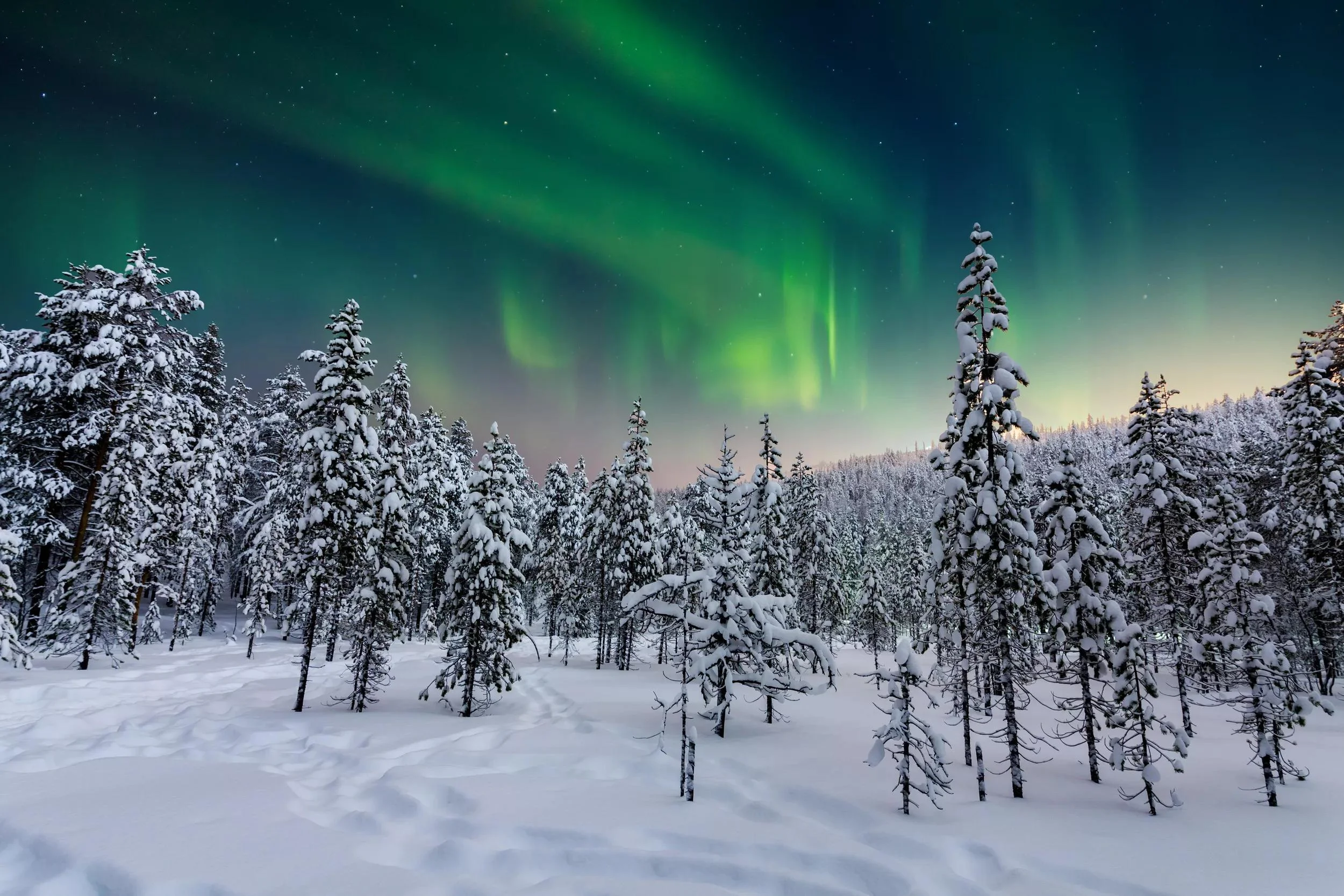
Revontulet — northern lights

Joulu — Christmas

Hyvää joulua! — Merry Christmas!

Music is an important part of Finnish cultural life, ranging from classical compositions and folk traditions to contemporary rock, metal, pop, and electronic music.

One of Finland's most important cultural figures is Jean Sibelius, whose compositions became closely connected with Finnish national identity. His music, together with traditional Karelian and Sámi musical traditions, forms an important part of the country's cultural heritage.

Modern Finland has also developed a strong international reputation for rock and heavy metal music, while classical concerts, summer music festivals, choirs, folk performances, and local celebrations remain popular throughout the country.

Music often becomes particularly atmospheric during Finland's seasonal festivals, when performances take place in concert halls, parks, lakeside settings, and historic venues

Finland is internationally recognized for its Nordic design, functional architecture, natural materials, and close relationship with the surrounding landscape.

The country's artistic and architectural heritage includes:

·        Finnish National Romantic architecture

·        Nordic Classicism

·        Modernist architecture

·        Contemporary Finnish design

·        Traditional wooden architecture

·        Sámi art and cultural traditions

·        World-famous furniture, glass, ceramics, and textile design

Important Finnish designers and architects include Alvar Aalto, Eliel Saarinen, Eero Saarinen, Kaj Franck, and Tapio Wirkkala.

Cities such as Helsinki, Turku, Tampere, Porvoo, and Rovaniemi reveal different chapters of Finnish architectural history. Helsinki combines neoclassical buildings with modern Nordic architecture, while smaller towns preserve colorful wooden houses and historic streets.

Finnish design often follows a simple philosophy: beauty, functionality, and harmony with nature can exist together

Finland has historically been influenced by Christianity, particularly Lutheran traditions. The Evangelical Lutheran Church of Finland has played an important role in the country's history, celebrations, architecture, and social traditions.

Modern Finland is highly secular, and freedom of religion and freedom of belief are protected. People may identify with religious communities, follow personal spiritual traditions, or live without a religious affiliation.

Historic churches and cathedrals remain important cultural landmarks. Helsinki Cathedral, Uspenski Cathedral, Turku Cathedral, and numerous rural wooden churches reflect different chapters of Finland's religious and architectural history.

At the same time, Finnish society places strong emphasis on personal freedom, equality, and individual choice.

Religious Composition

Finland has a historically Christian cultural background, particularly shaped by Lutheran and Orthodox traditions, while modern Finnish society is increasingly secular and religiously diverse. Freedom of religion and belief is an important part of Finnish society, with people from different religious and non-religious backgrounds living together.

Major religious and belief communities include:

  • Christianity, particularly Lutheran and Orthodox traditions

  • Islam

  • Catholic Christianity

  • Judaism

  • Buddhism

  • Hinduism

  • Other religious communities

  • Non-religious and secular communities

The Finnish Orthodox Church is an important part of the country's religious heritage, particularly in eastern Finland. Churches and cathedrals across the country remain significant cultural landmarks, even as religious affiliation becomes more diverse and secular life becomes increasingly common.

Ethnic Backgrounds

Finland has a historically Finnish majority alongside long-established minority communities and an increasingly international population. One of the country's most distinctive cultural groups is the indigenous Sámi people, whose traditions, languages, clothing, music, handicrafts, and close relationship with the northern environment form an important part of Finland's cultural heritage. Their traditional homeland extends across northern Finland, Norway, Sweden, and Russia.

Modern Finland is also home to communities with roots in Sweden, Estonia, Russia, Ukraine, Iraq, Somalia, Afghanistan, India, China, and many other countries. This growing international presence has added new influences to Finnish cuisine, business, education, arts, technology, and everyday life.

Major cities such as Helsinki, Espoo, Tampere, Turku, and Oulu reflect this increasingly multicultural character, while different regions continue to preserve their own traditions, dialects, local identities, and ways of life.

Despite this diversity, a strong Finnish identity connects much of the country through shared values and cultural traditions: language, equality, education, nature, design, sauna culture, seasonal celebrations, and a deep connection with forests and thousands of lakes.

Perhaps the Finnish spirit is felt most clearly in the quiet moments—beside a frozen lake, inside a warm sauna, beneath the northern lights, or along a peaceful forest path, where nature, silence, and simplicity become part of the experience

Finland Food Culture
titleDecore bar

Finnish food culture is closely connected to the country's forests, lakes, seasons, agriculture, and northern climate. Traditional Finnish cuisine developed around ingredients that were available locally, including fish from the country's countless lakes and coastal waters, wild berries, mushrooms, potatoes, rye, oats, dairy products, and game. Seasonality plays an important role. Summer brings fresh berries, vegetables, and fish, while autumn is associated with mushrooms and forest harvesting. Winter cuisine traditionally focuses on hearty meals that provide warmth and energy during the colder months. Finnish food is generally simple, natural, and practical, with an emphasis on fresh ingredients, local produce, rye bread, fish, berries, and dairy products. Today, traditional recipes are increasingly combined with modern Nordic cooking, creating a distinctive Finnish culinary identity.

Finland's thousands of lakes and long Baltic Sea coastline make fish an important part of Finnish cuisine.

Finland - Lohikeitto

Lohikeitto

A traditional Finnish salmon soup made with salmon, potatoes, carrots, onions, cream, and fresh dill. One of Finland's most comforting classic dishes

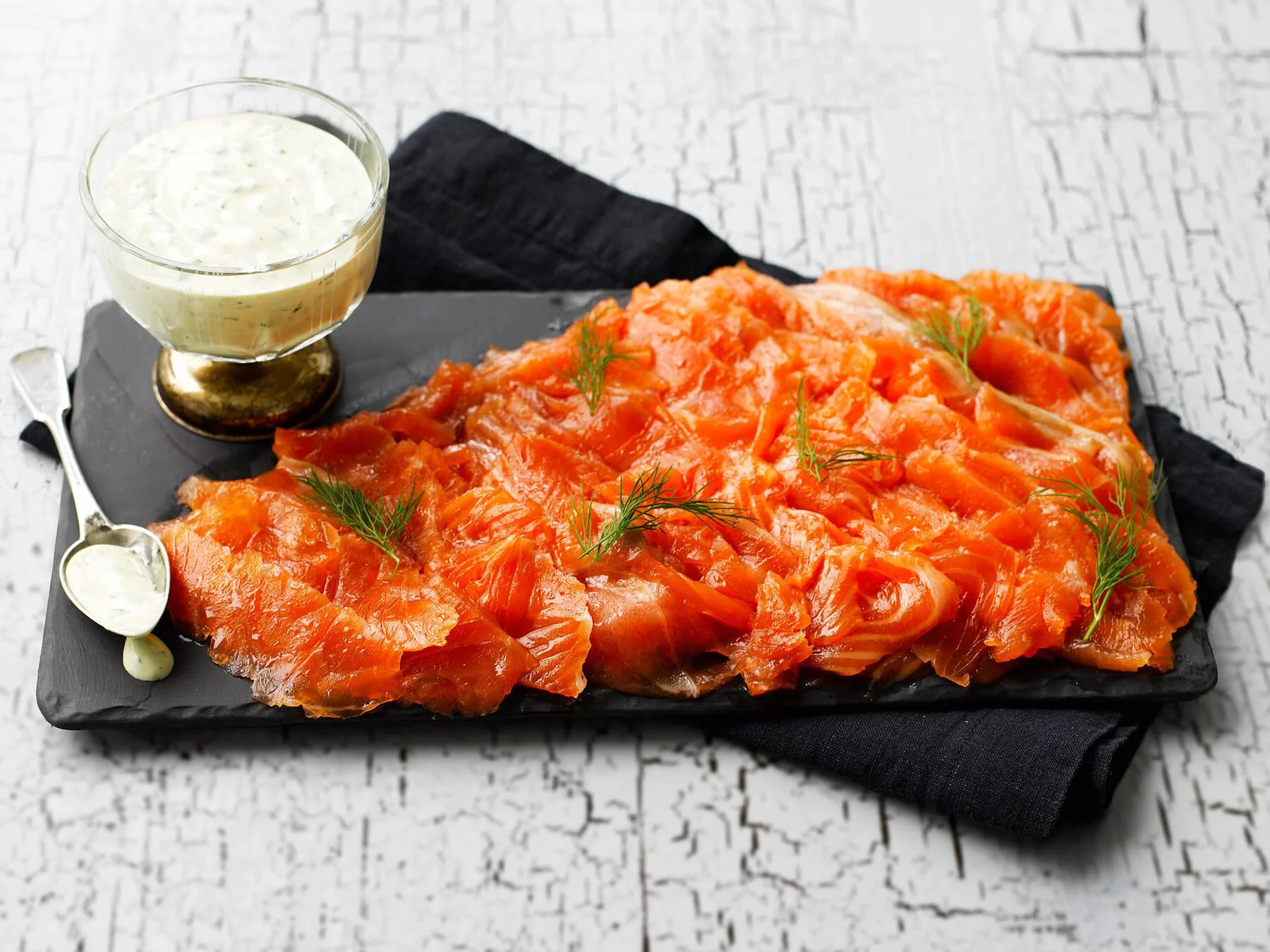
Finland - Graavilohi

Graavilohi

Cured salmon prepared with salt, sugar, and dill. It is commonly served cold with rye bread or potatoes

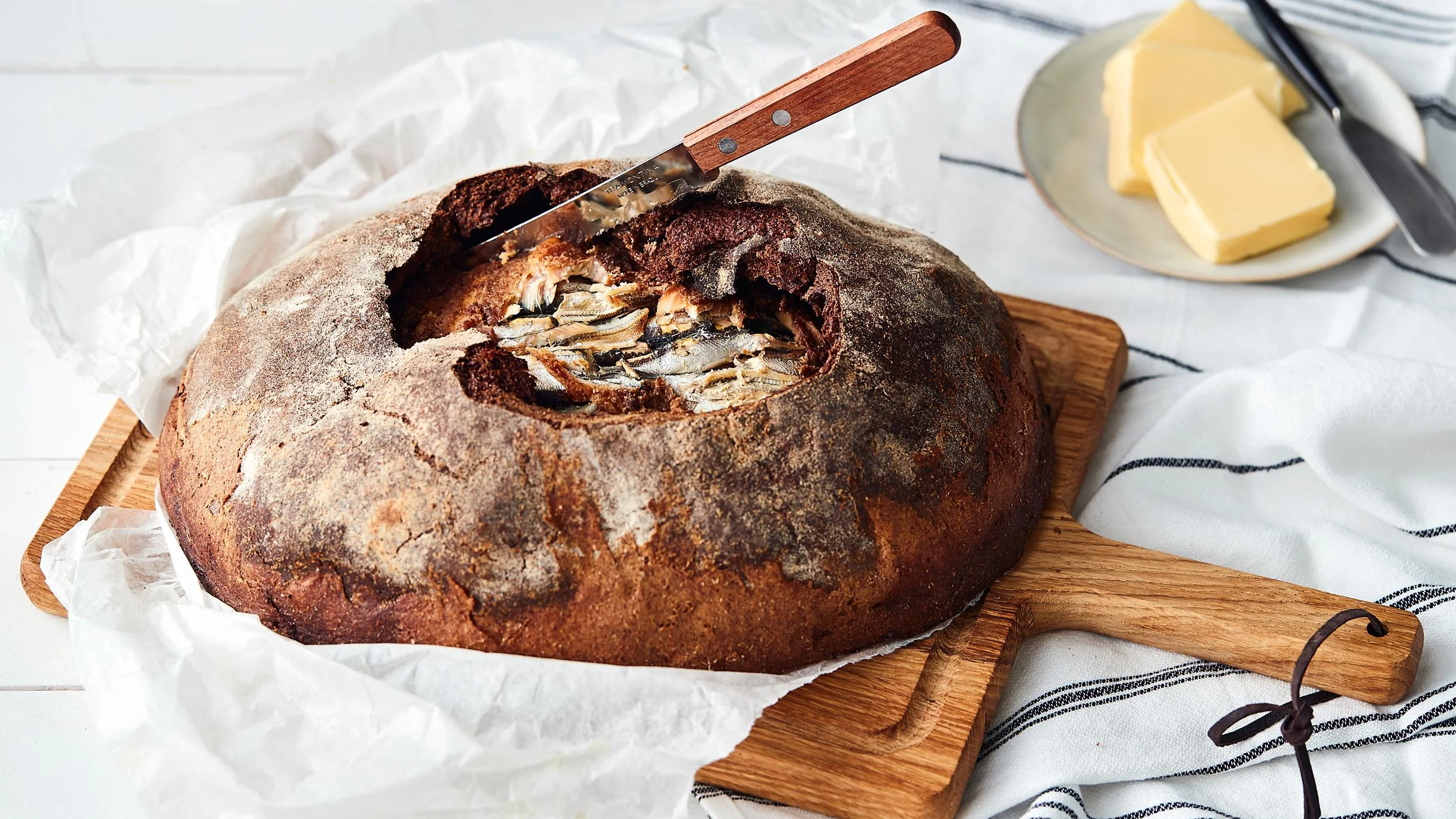
Finland - Kalakukko

Kalakukko

A traditional Finnish fish pie from the Savonia region, made with fish and pork baked inside a dense rye crust

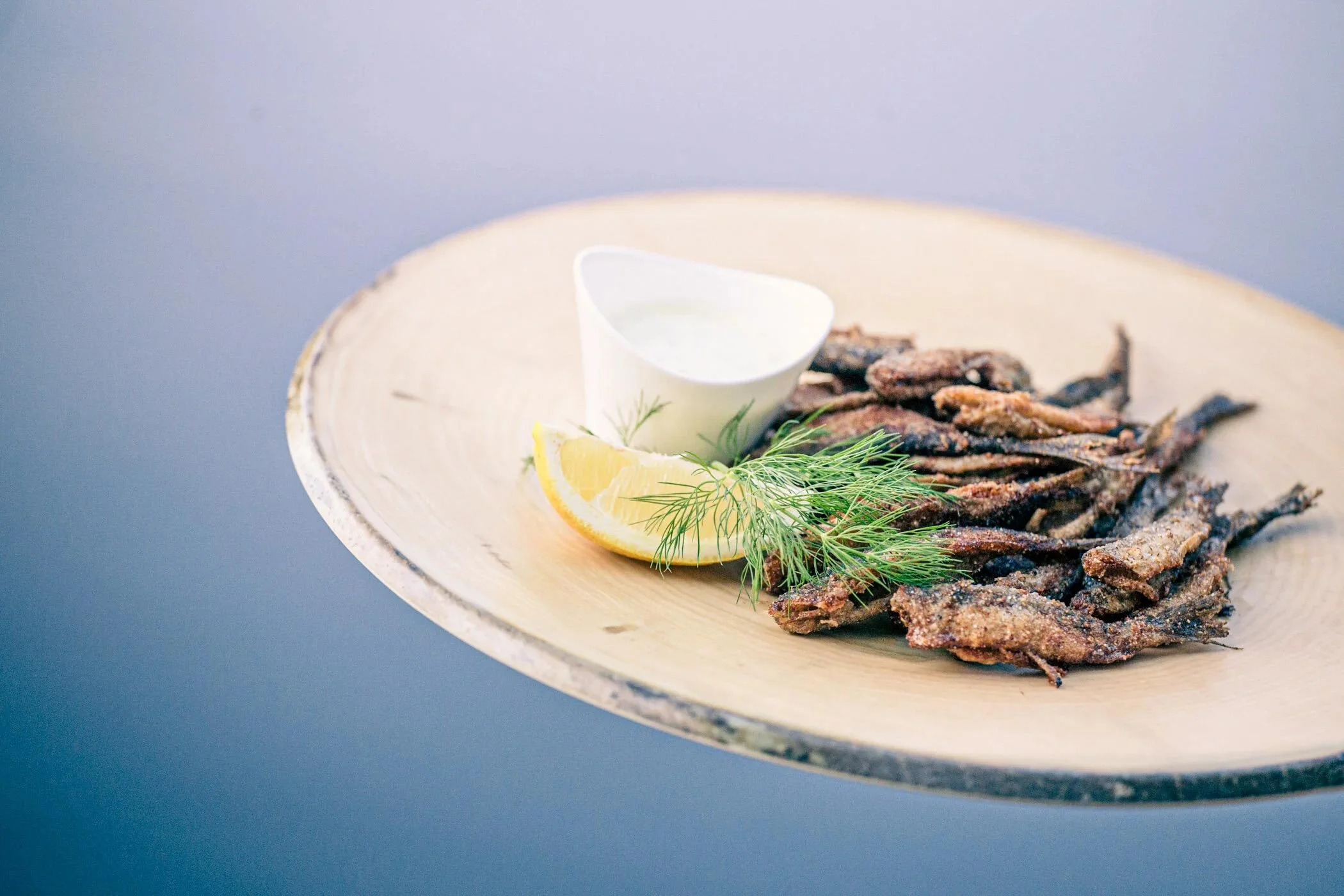
Finland - Muikku

Muikku

Small vendace fish, especially associated with the Finnish lake district. They are commonly fried and served with potatoes or other simple sides

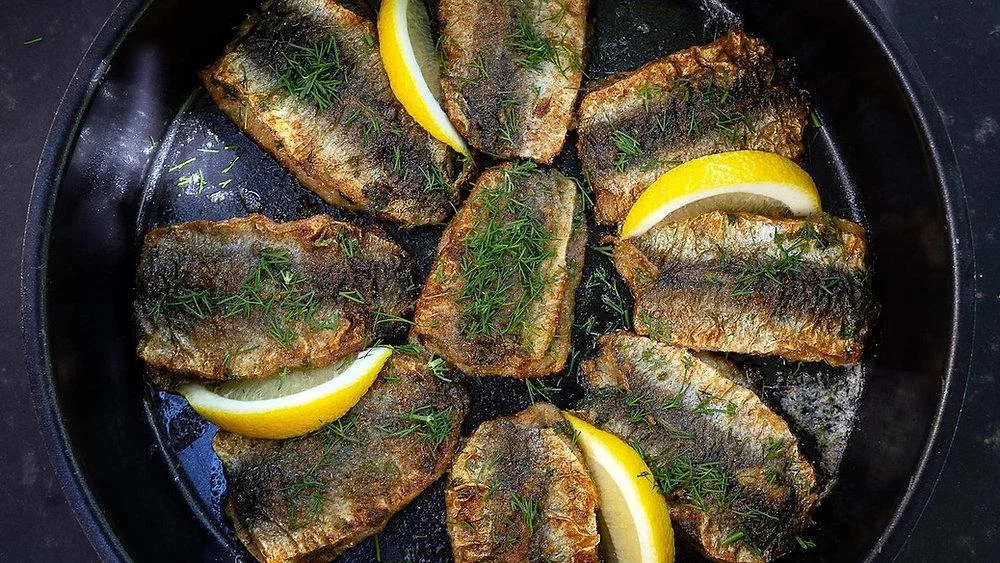
Finland - Silakka

Silakka

Baltic herring prepared in several traditional Finnish styles, including fried, marinated, and pickled versions

Lohikeitto

A traditional Finnish salmon soup made with salmon, potatoes, carrots, onions, cream, and fresh dill. One of Finland's most comforting classic dishes

Graavilohi

Cured salmon prepared with salt, sugar, and dill. It is commonly served cold with rye bread or potatoes

Kalakukko

A traditional Finnish fish pie from the Savonia region, made with fish and pork baked inside a dense rye crust

Muikku

Small vendace fish, especially associated with the Finnish lake district. They are commonly fried and served with potatoes or other simple sides

Silakka

Baltic herring prepared in several traditional Finnish styles, including fried, marinated, and pickled versions

Finland - Lohikeitto

Lohikeitto

Finland - Graavilohi

Graavilohi

Finland - Kalakukko

Kalakukko

Finland - Muikku

Muikku

Finland - Silakka

Silakka

Explore Finland
titleDecore bar

Finland is a country where Nordic cities, ancient forests, thousands of lakes, Arctic wilderness, Sámi heritage, Baltic coastlines, islands, and modern design come together. From the historic streets of Turku and Helsinki to the snowy landscapes of Lapland, each region offers a different side of Finnish life

Cities & Highlights

Helsinki

Finland’s capital combines elegant Nordic architecture with the Baltic Sea, islands, museums, cafés, parks, and a strong design culture. The city is compact enough to explore on foot while still offering a wide variety of historical and contemporary experiences

https://www.myhelsinki.fi/visit-helsinki/
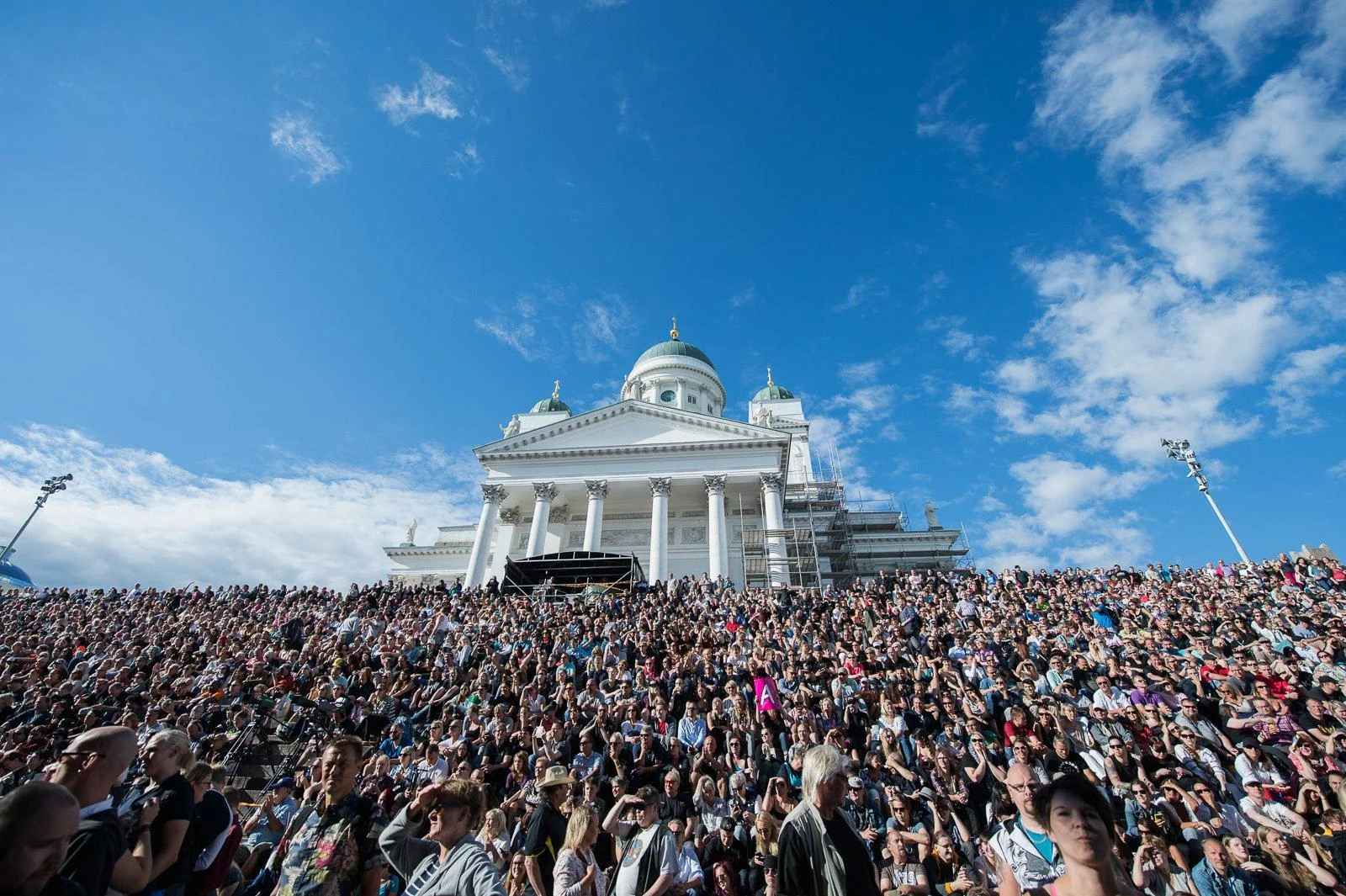
Helsinki Cathedral

Helsinki Cathedral

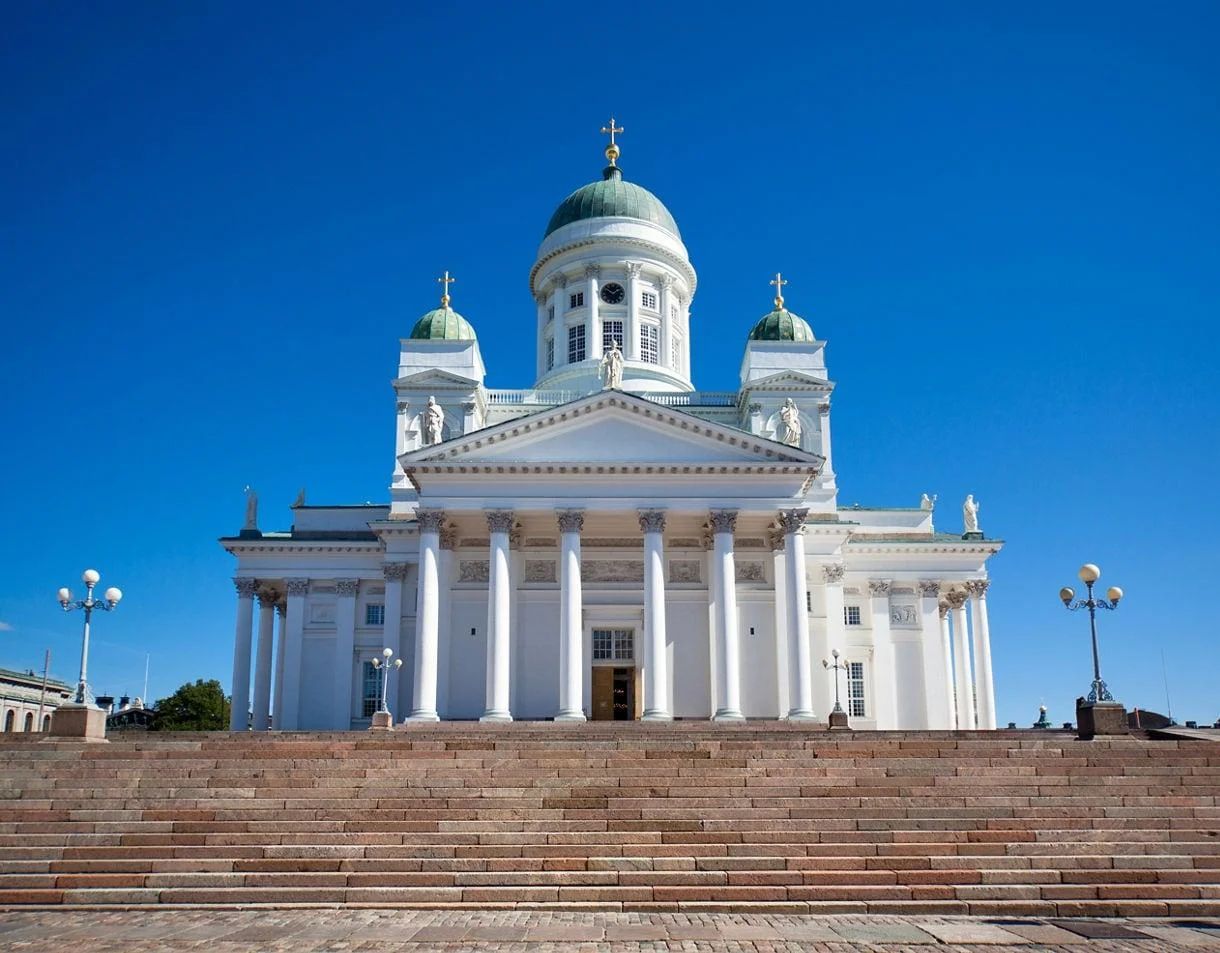
The famous white cathedral dominates Senate Square and is one of Helsinki’s most recognizable landmarks. Its neoclassical architecture gives the historic centre a distinctive character

https://helsingintuomiokirkko.fi/en/
Suomenlinna Sea Fortress

Suomenlinna Sea FortressUNESCO

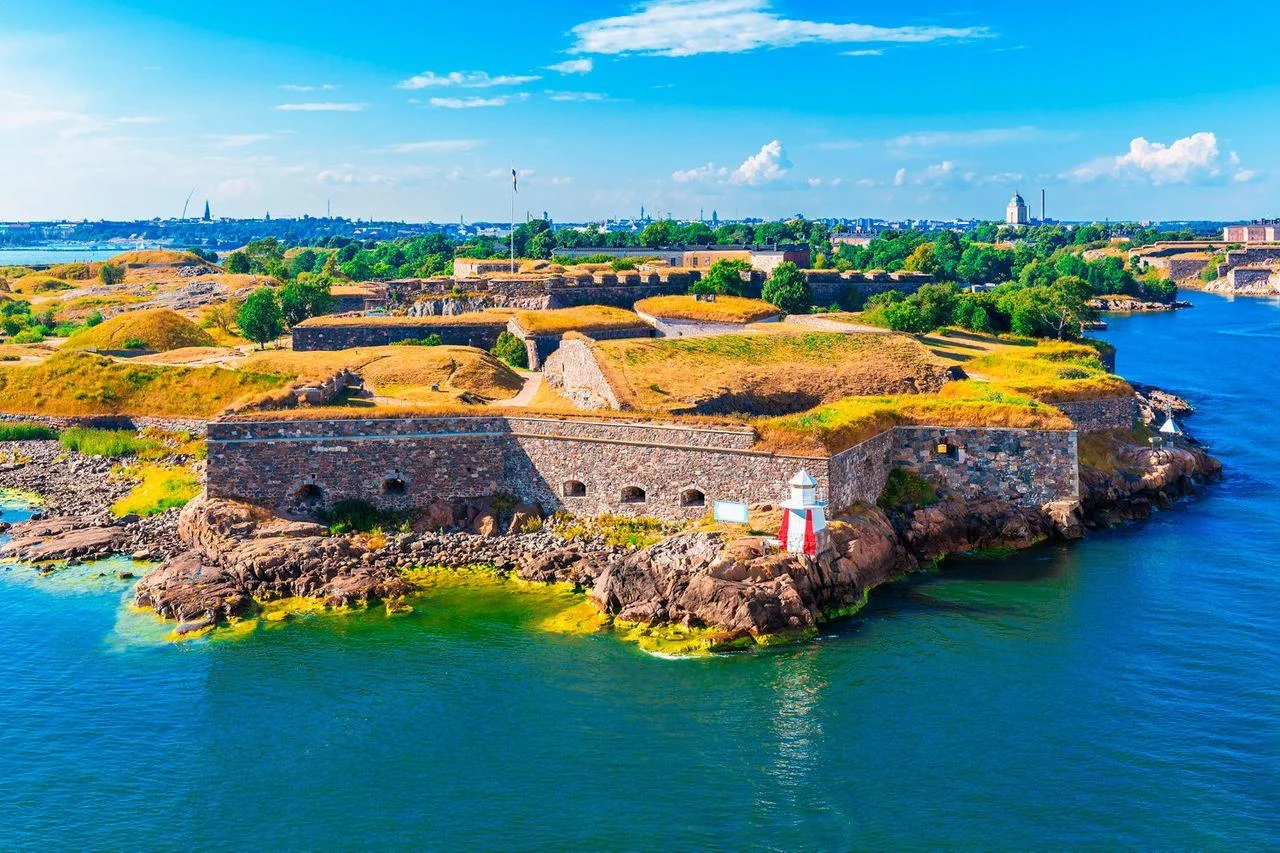
A UNESCO World Heritage Site spread across several islands outside Helsinki. The fortress combines military history, old stone walls, tunnels, museums, cafés, and sea views

https://www.suomenlinna.fi/en/
Market Square

Market Square

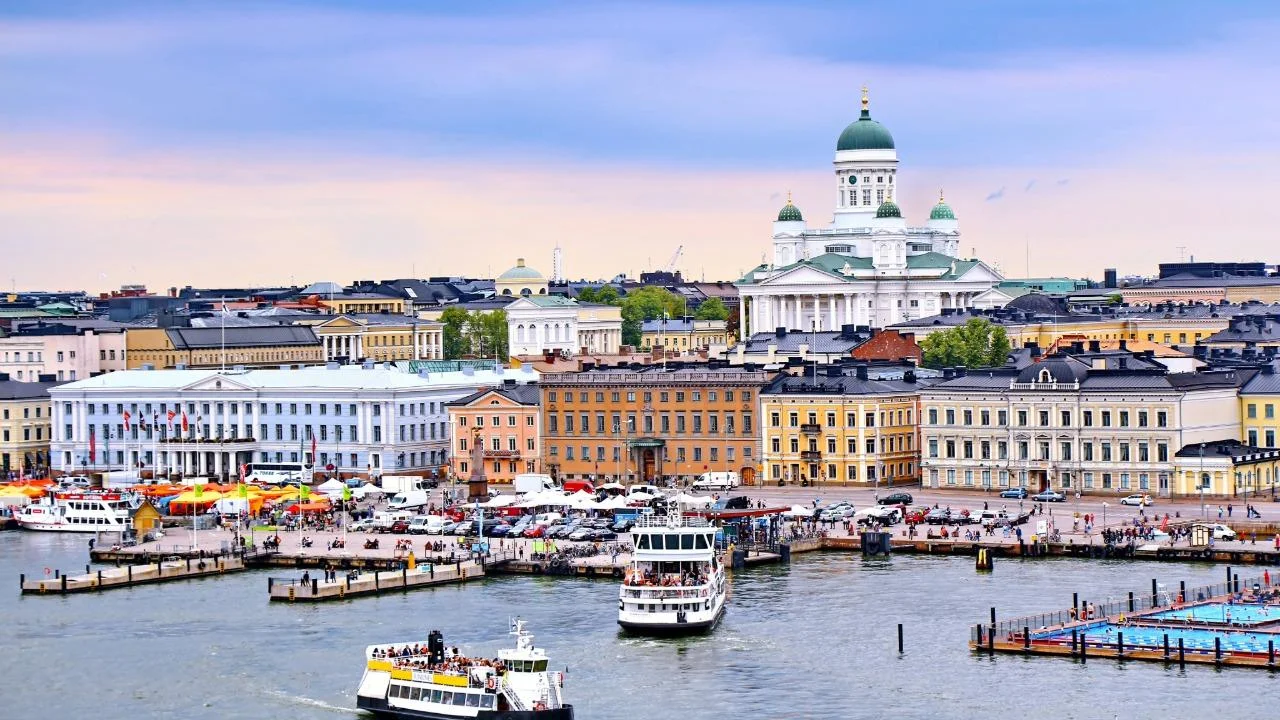
Helsinki’s best-known waterfront market, with Finnish food, berries, fish, handicrafts, cafés, and views across the harbour. It is also an important departure point for boats and the Suomenlinna ferry

web
Temppeliaukio Church (Rock Church)

Temppeliaukio Church (Rock Church)

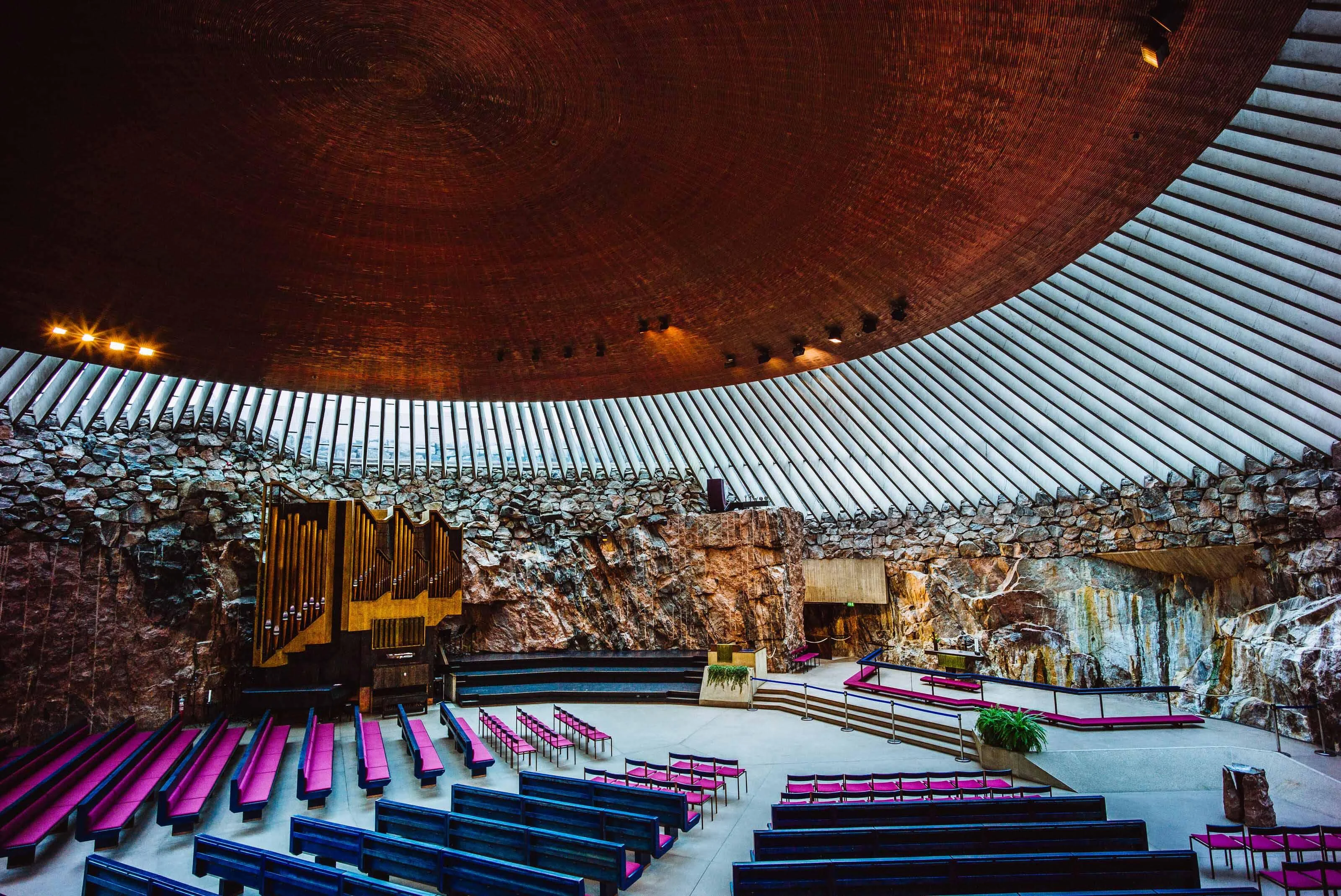
Rough granite walls, copper details, and natural light create one of Helsinki’s most distinctive interiors

https://www.temppeliaukionkirkko.fi/en/
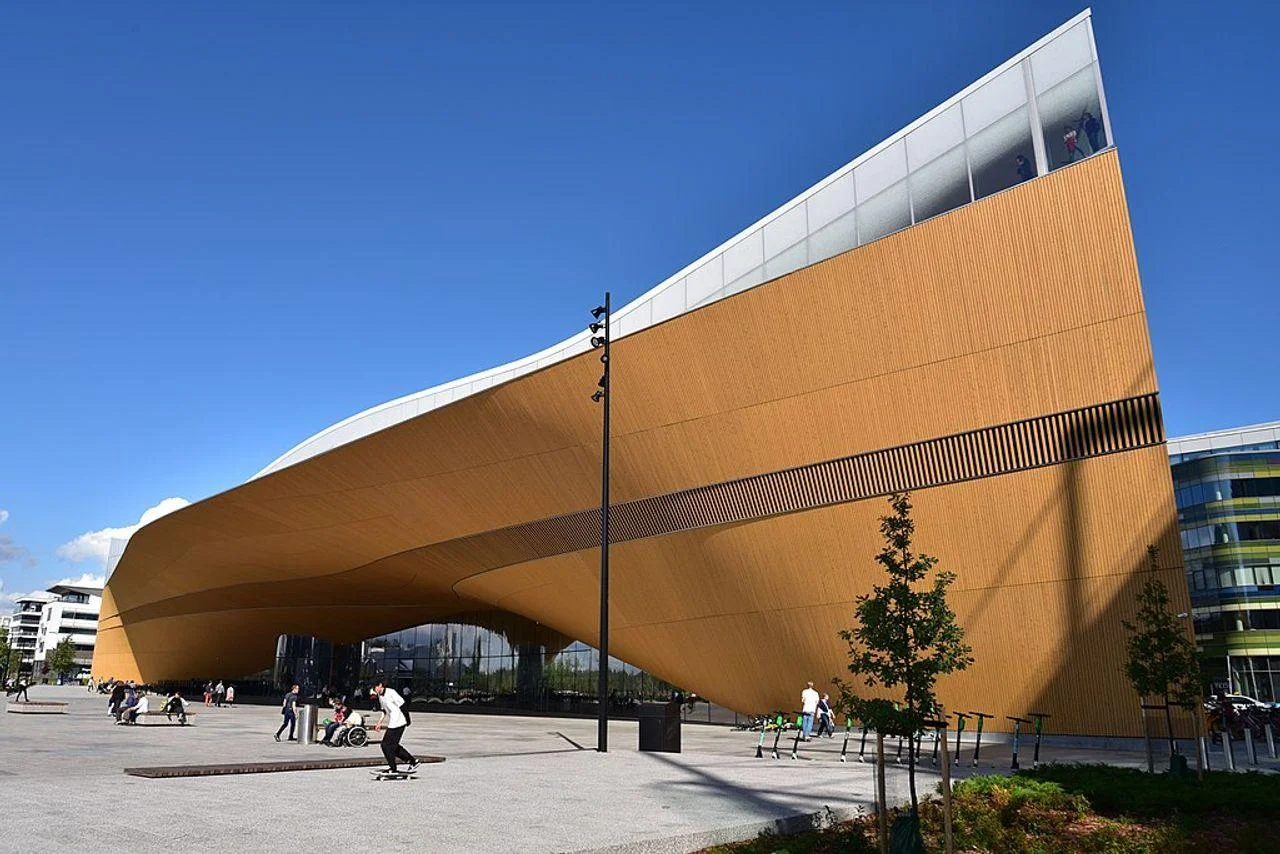
Oodi Central Library

Oodi Central Library

One of Helsinki’s finest examples of contemporary architecture. Oodi is a public space for reading, working, creating, meeting, and relaxing

https://oodihelsinki.fi/en/
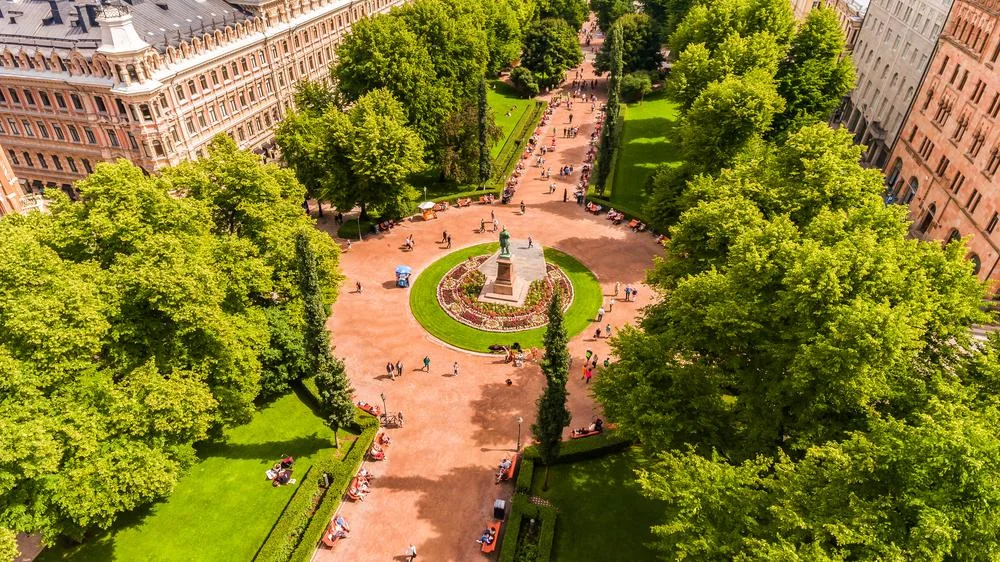
Esplanadi Park

Esplanadi Park

A historic green boulevard in the heart of Helsinki, surrounded by cafés, restaurants, shops, and elegant buildings

web
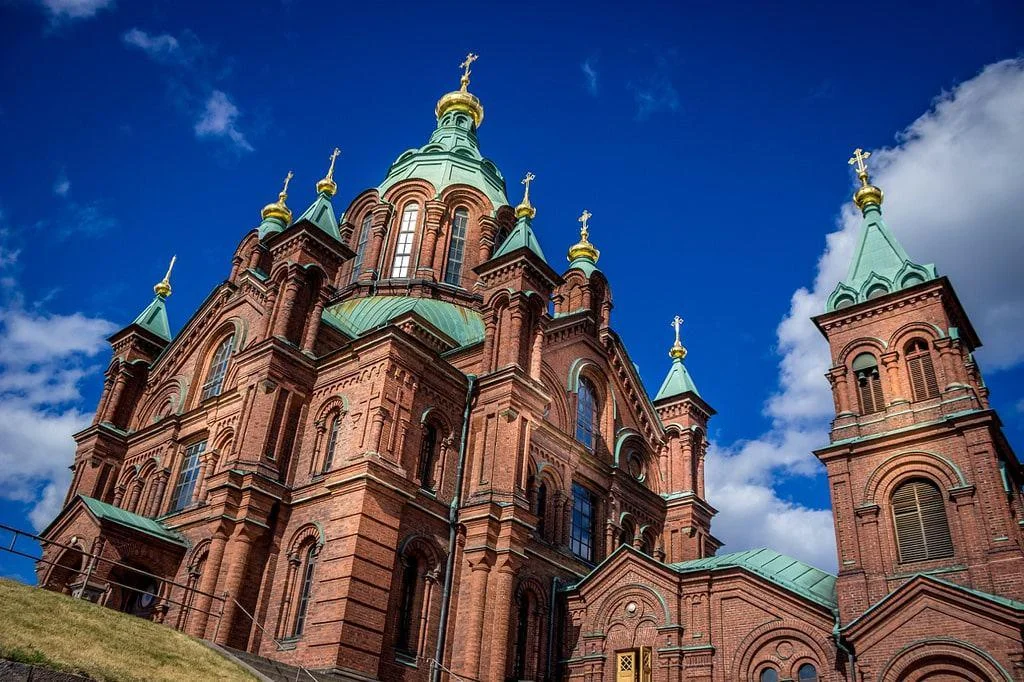
Uspenski Cathedral

Uspenski Cathedral

A striking red-brick Orthodox cathedral overlooking the harbour. Its golden domes and Byzantine-inspired interior provide a strong architectural contrast with Helsinki Cathedral.

web
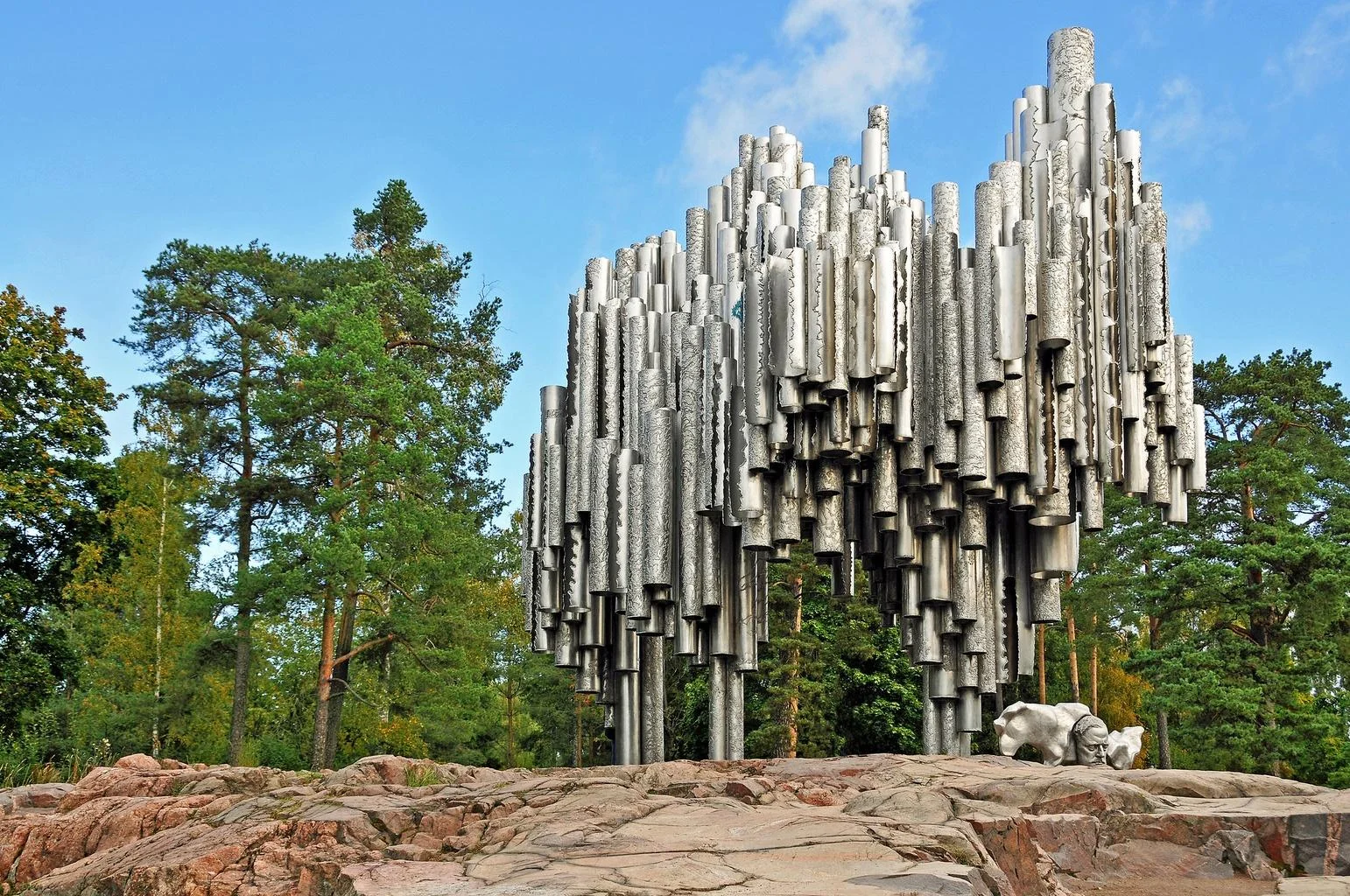
Sibelius Monument & Sibelius Park

Sibelius Monument & Sibelius Park

A famous abstract monument dedicated to Finnish composer Jean Sibelius. Hundreds of steel pipes form a striking sculpture surrounded by a peaceful park.

web
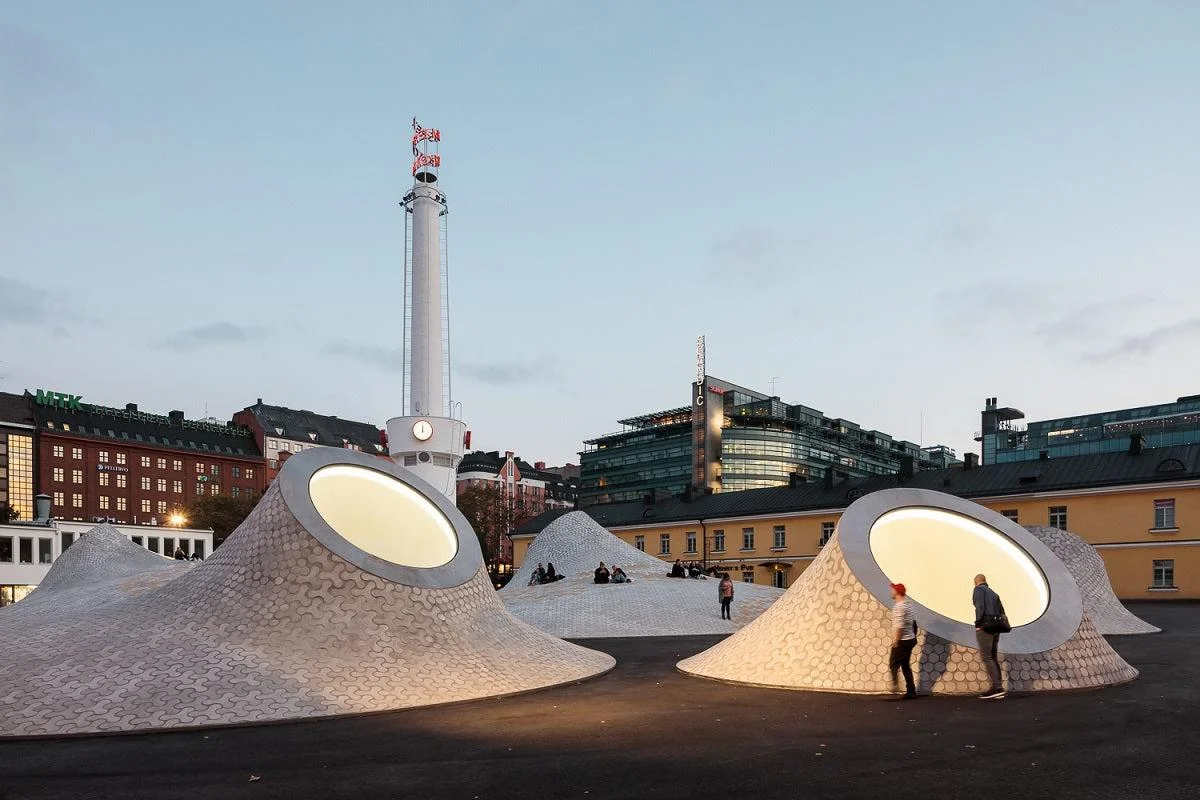
Amos Rex

Amos Rex

An innovative art museum known for its contemporary exhibitions and distinctive architecture. Its unusual domed skylights rise from the plaza outside the museum.

https://amosrex.fi/en/
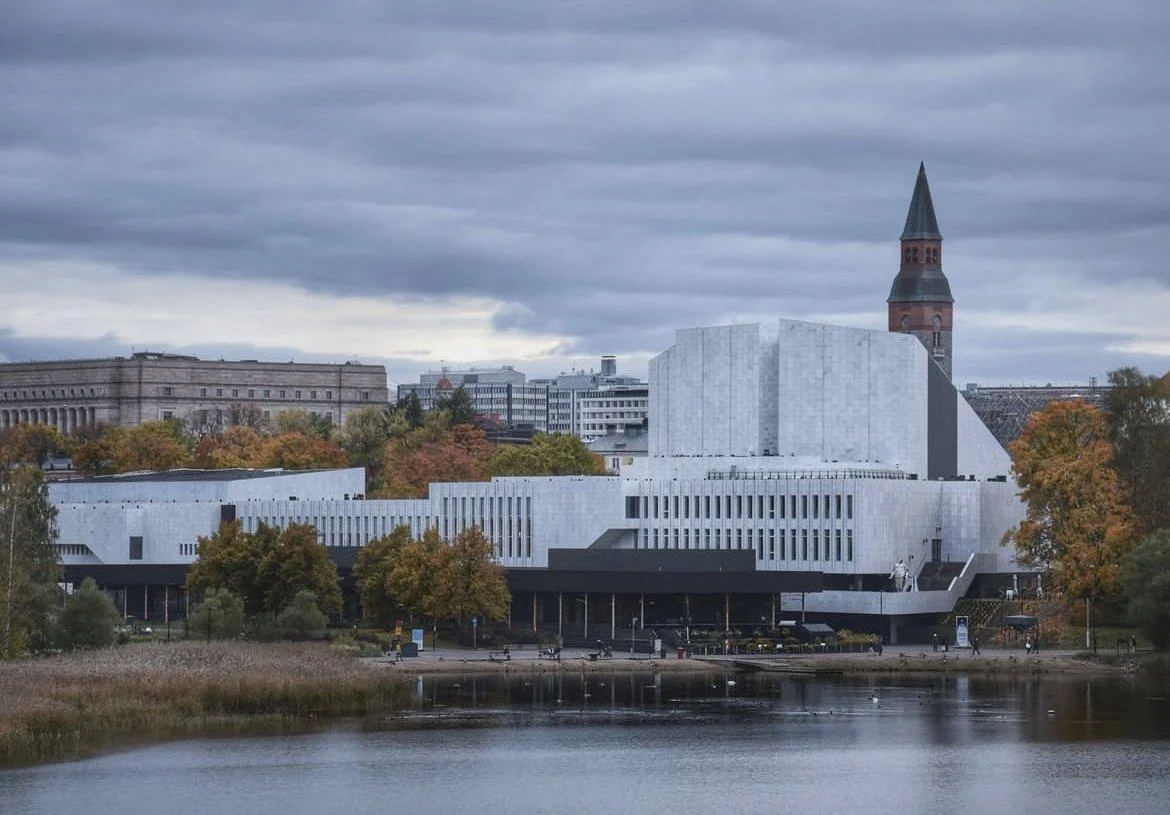
Finlandia Hall

Finlandia Hall

An important landmark of Finnish modernist architecture designed by Alvar Aalto. Its white marble exterior and lakeside setting make it especially interesting for architecture and design enthusiasts

https://finlandiatalo.fi/en/
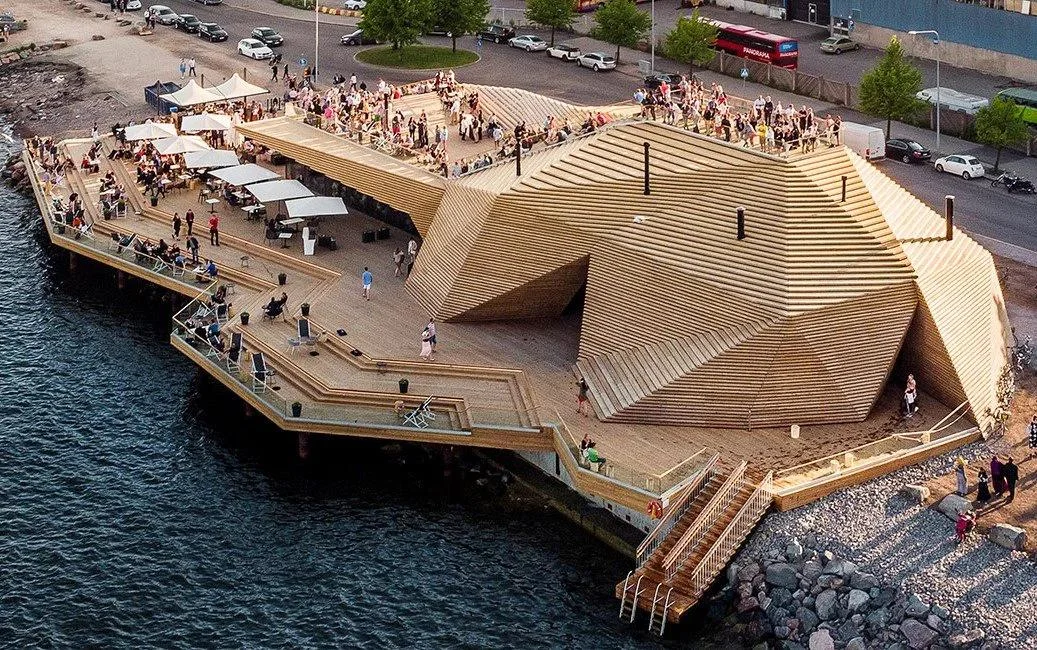
Löyly Helsinki

Löyly Helsinki

A modern seaside sauna and restaurant offering a distinctly Finnish experience beside the Baltic Sea. The wooden architecture and waterfront terraces make it particularly atmospheric.

https://www.loylyhelsinki.fi/en/
Special Experiences
titleDecore bar

Finland offers a distinctive combination of Nordic traditions, Arctic landscapes, forests, thousands of lakes, sauna culture, winter adventures, design, local food, and encounters with nature. From Helsinki’s Baltic atmosphere to Lapland’s snowy wilderness, Finland’s experiences are closely connected to its seasons, landscapes, and everyday way of life
Finnish festivals bring the country to life through music, traditional celebrations, art, food, winter lights, and the unique connection between Finnish people and nature
November–December

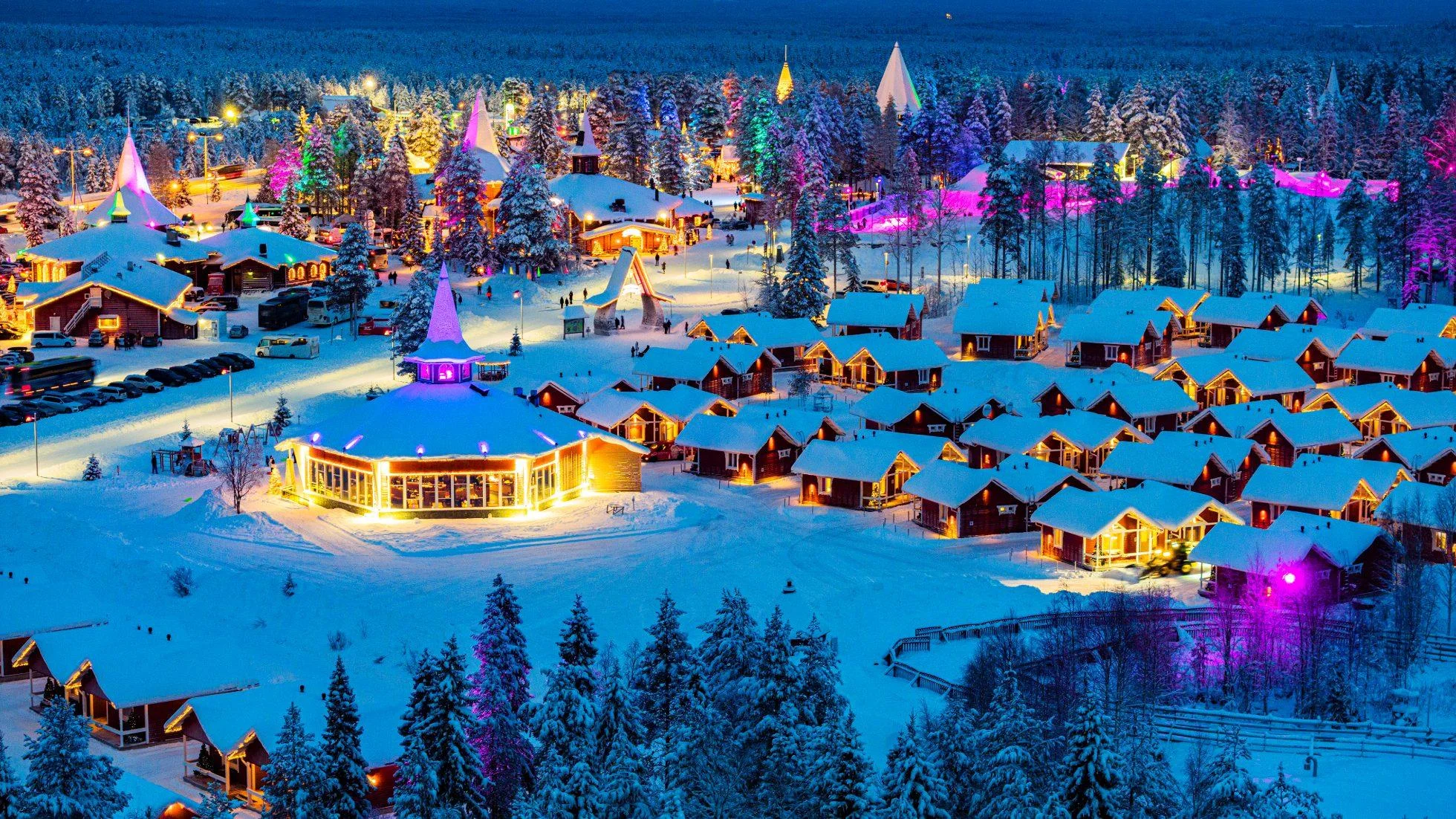
Christmas in Lapland

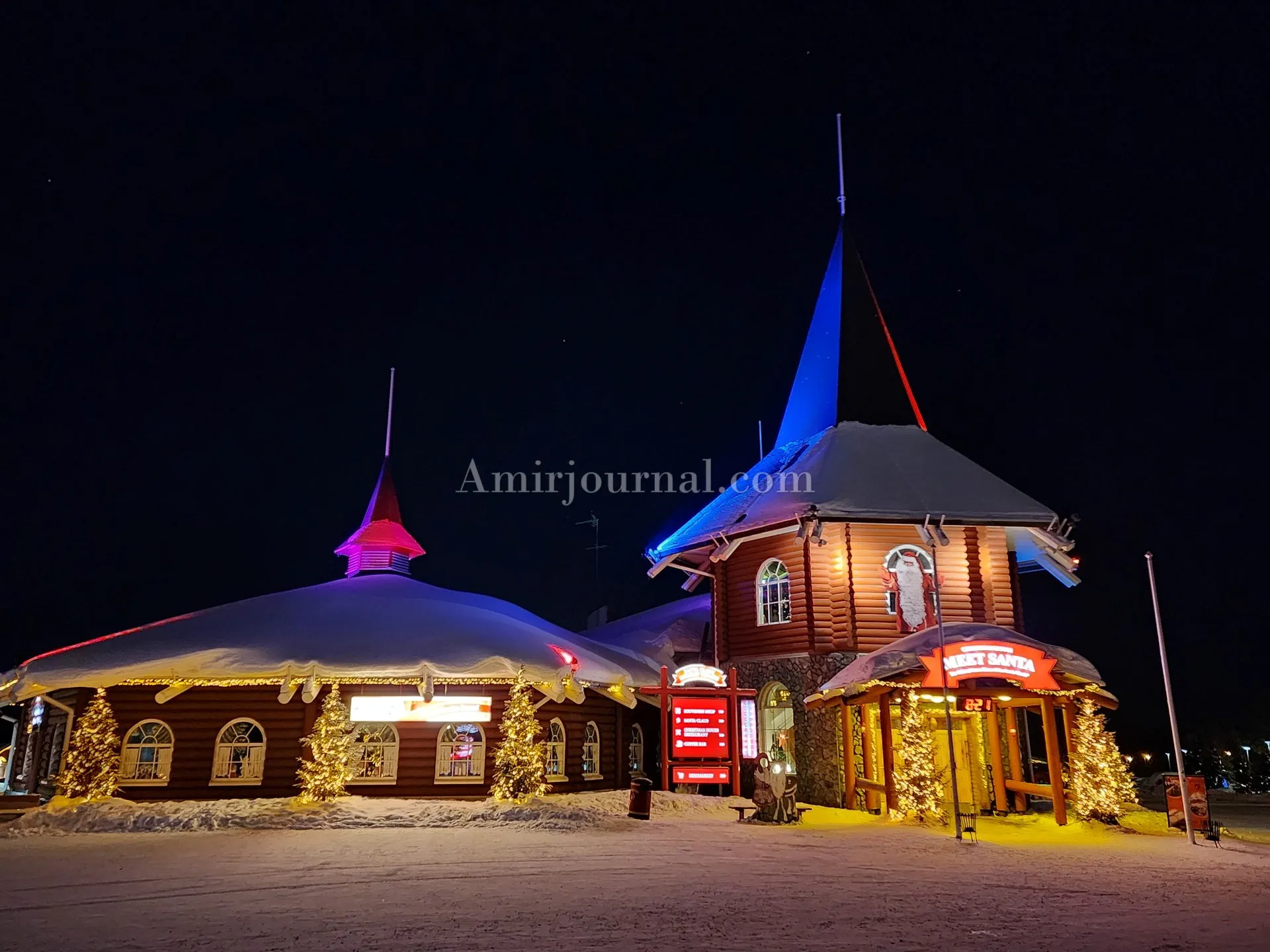
Experience the atmosphere of Finnish Lapland with snow-covered landscapes, Christmas traditions, decorated villages, and the magical Arctic winter

Web
Christmas in Lapland

August

Helsinki Festival

Experience Finland’s capital through concerts, theatre, dance, visual arts, and cultural events throughout the city

https://helsinkifestival.fi/en/
Helsinki Festival

July

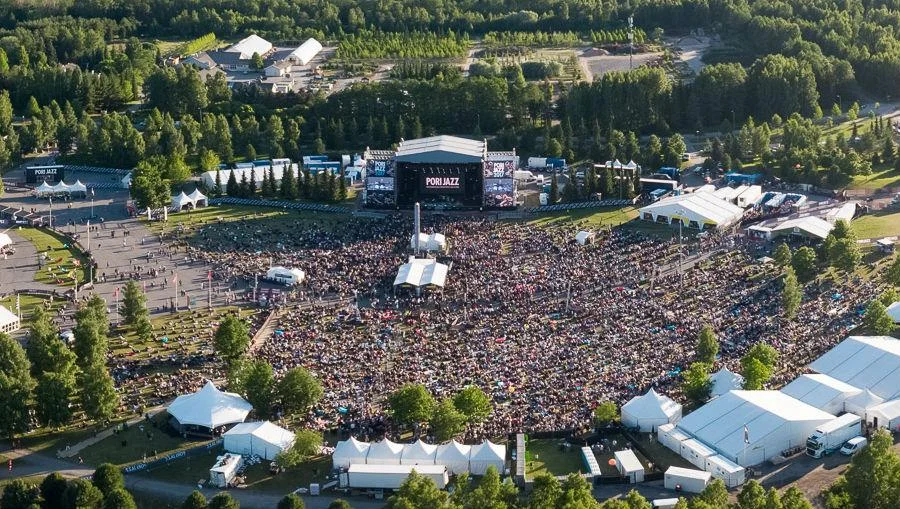
Pori Jazz Festival

One of Finland’s best-known music festivals, bringing jazz and international artists to the riverside city of Pori.

https://porijazz.fi/en/
Pori Jazz Festival

July–August

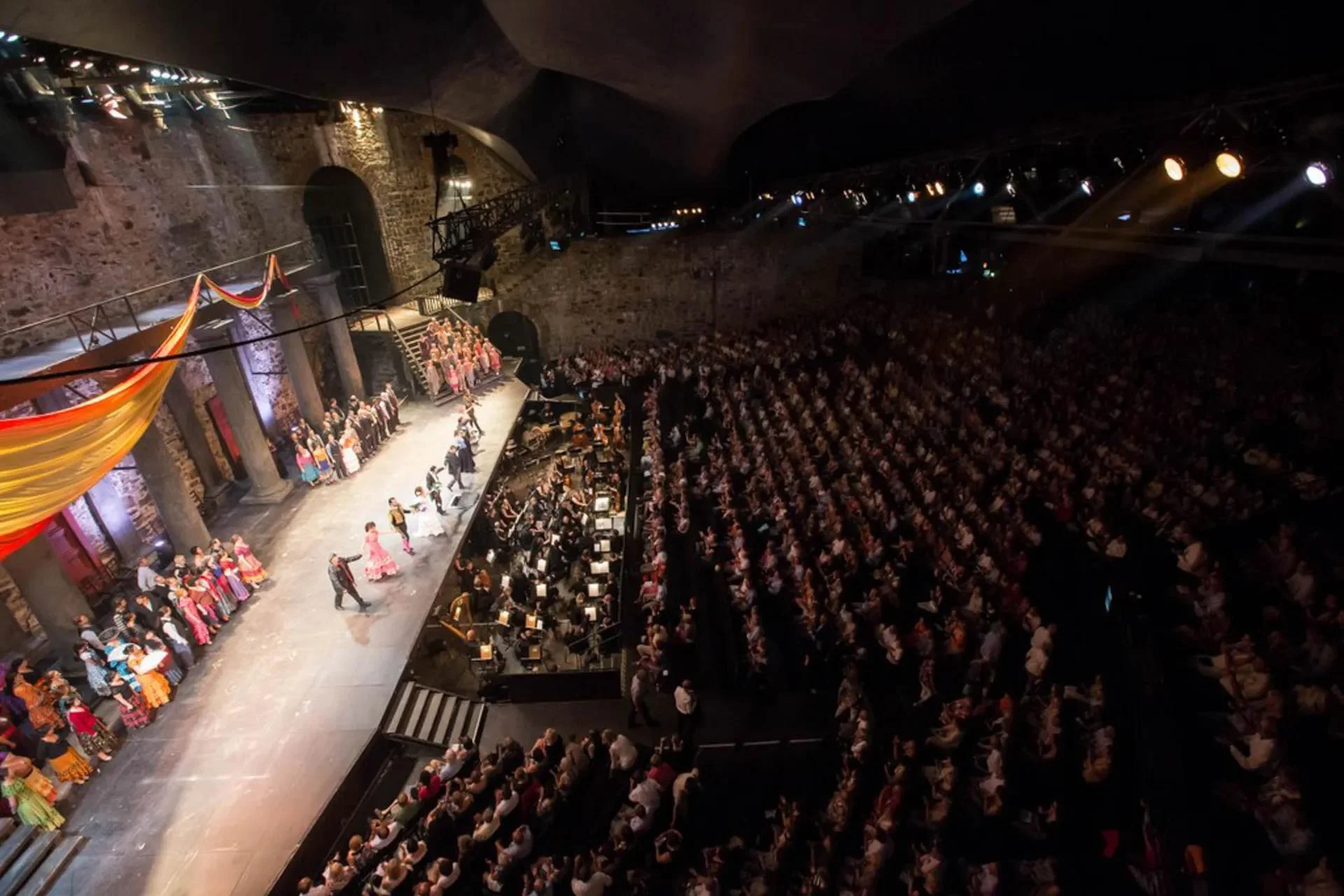
Savonlinna Opera Festival

A spectacular summer opera festival staged inside the medieval Olavinlinna Castle.

https://operafestival.fi/en/
Savonlinna Opera Festival

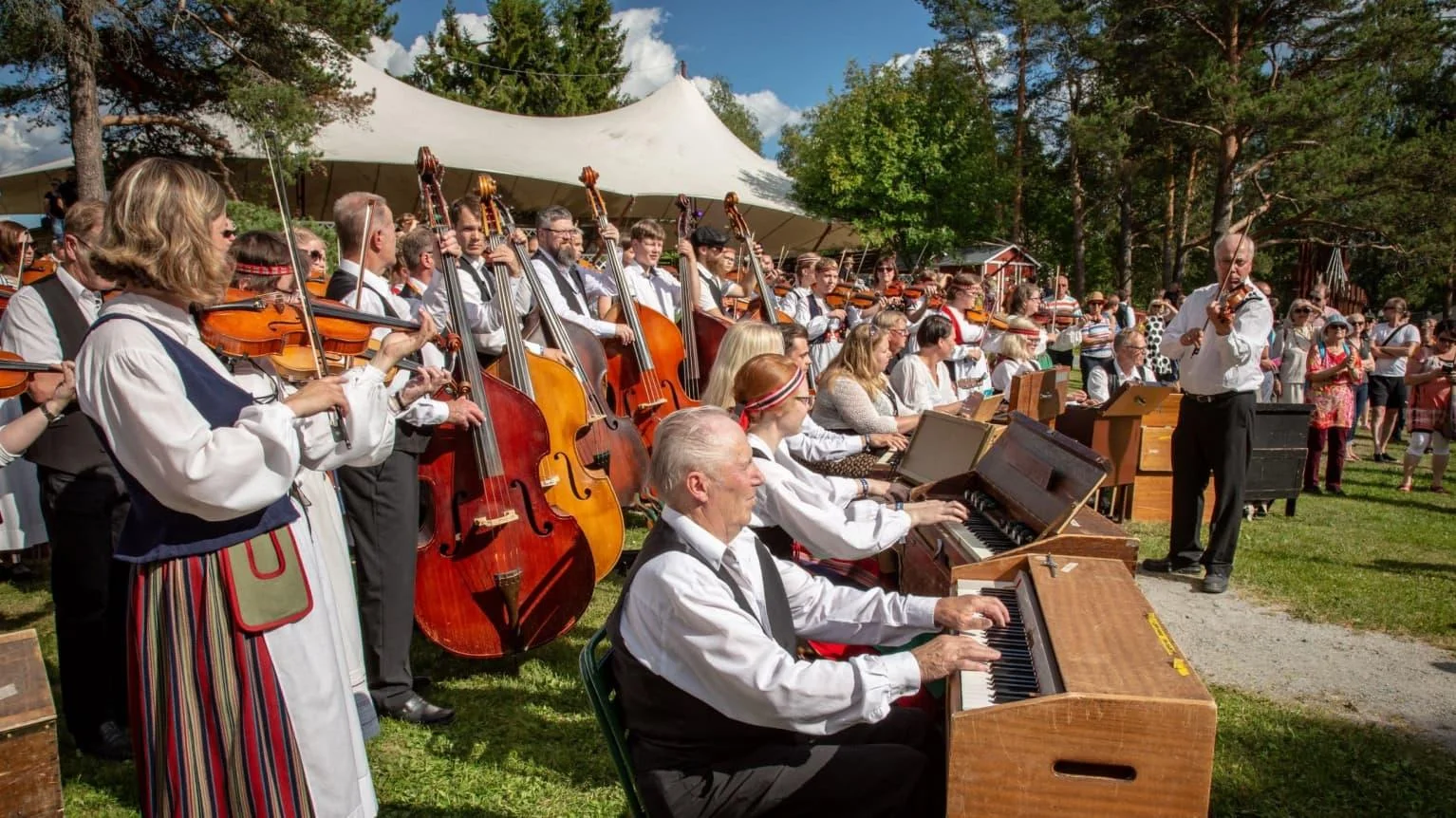
July

Kaustinen Folk Music Festival

A major celebration of Finnish and international folk music, dance, and traditional culture.

https://kaustinen.net/en/
Kaustinen Folk Music Festival

April 30 – May 1

Vappu – May Day

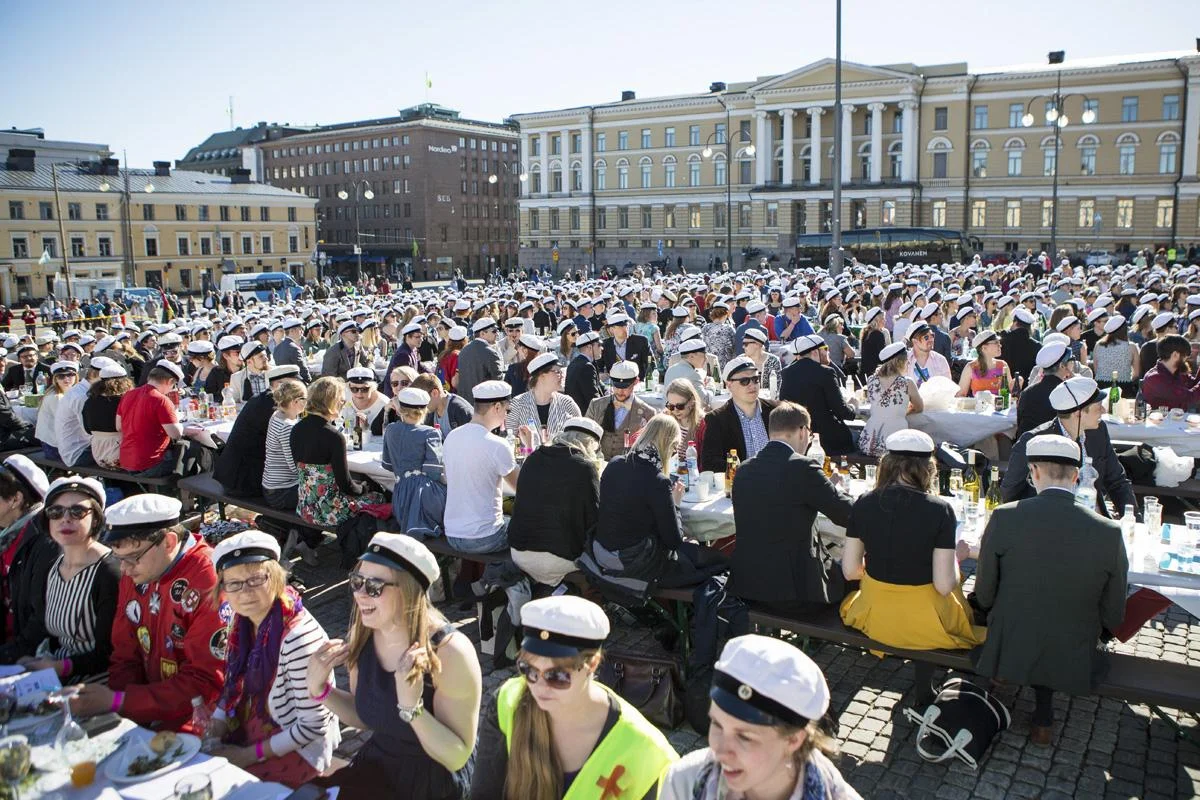
One of Finland’s biggest celebrations, with student traditions, white graduation caps, balloons, picnics, street celebrations, and sima (Finnish mead). It is especially lively in Helsinki

web
Vappu – May Day

January

Lux Helsinki

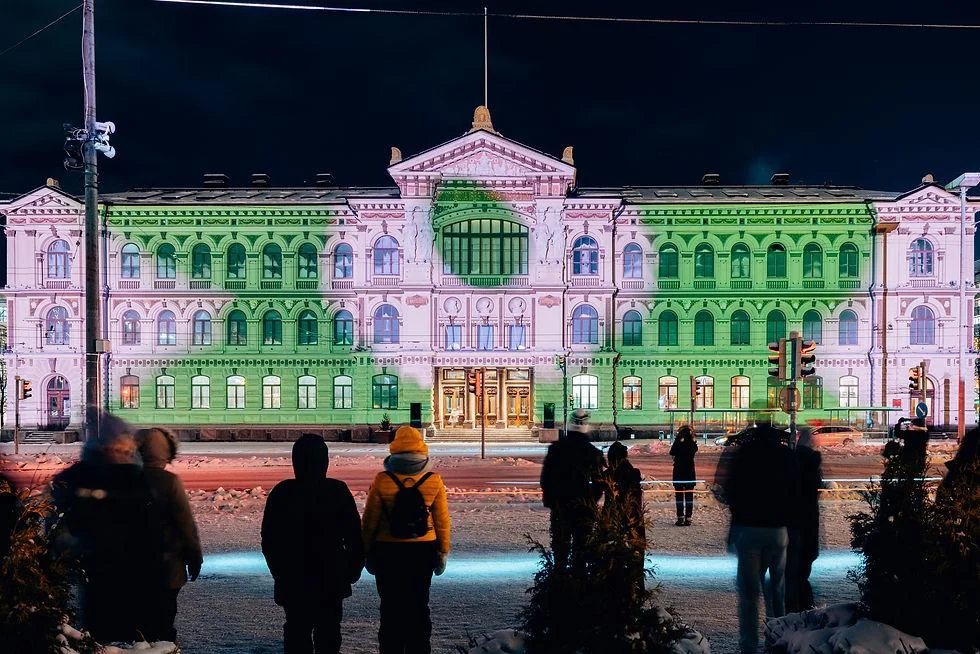
A spectacular winter light-art festival that transforms Helsinki's buildings, streets, and public spaces with large-scale illuminated artworks.

web
Lux Helsinki

August

Flow Festival

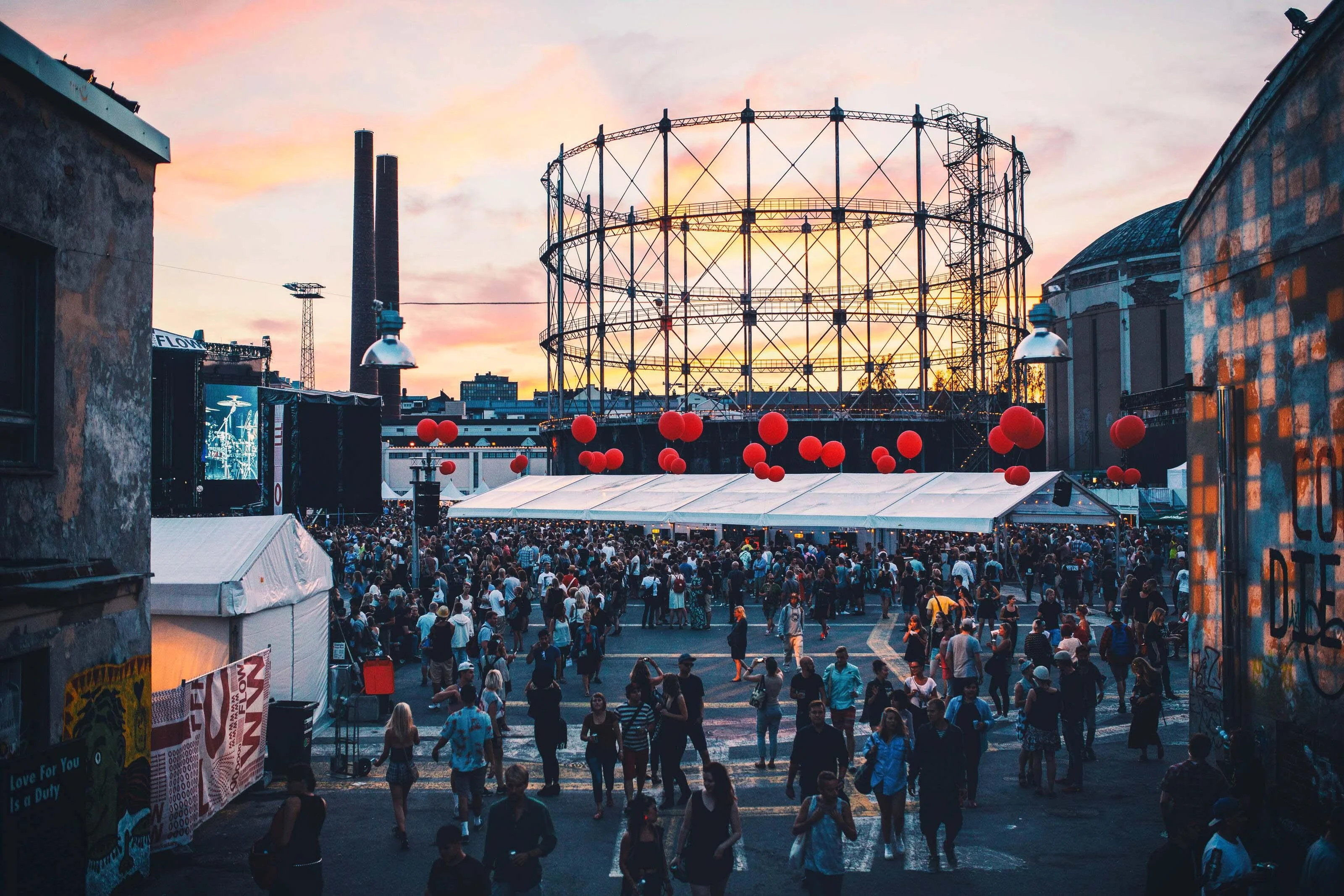
One of Helsinki's best-known contemporary music and arts festivals, combining international music, food, visual arts, and the distinctive industrial setting of Suvilahti.

web
Flow Festival

December 13

Saint Lucia Day

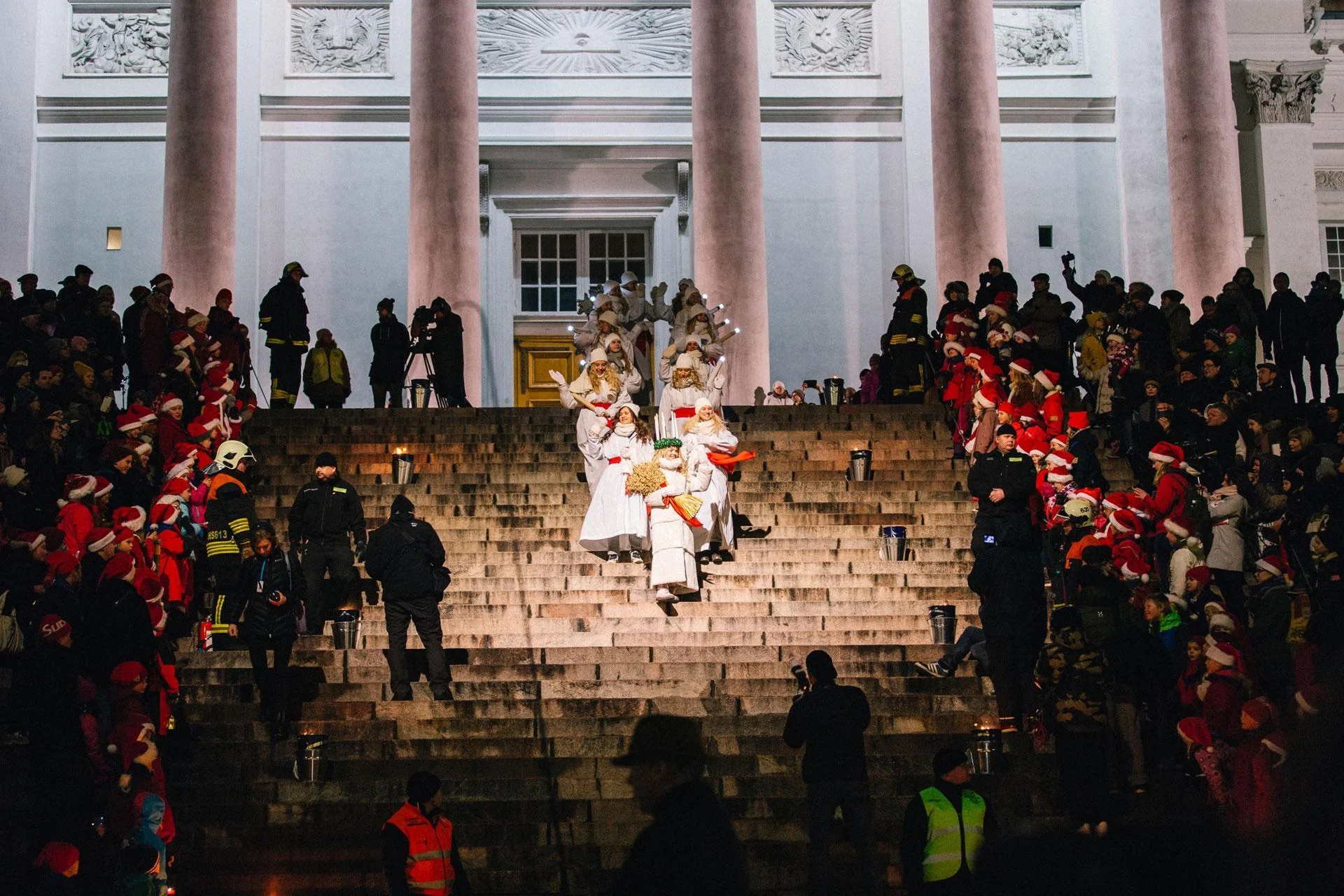
A beautiful winter tradition, especially in Helsinki, where Lucia is crowned at Helsinki Cathedral and leads a candlelit procession through the city

https://www.lucia.fi/
Saint Lucia Day
Shopping
titleDecore bar

Shopping in Finland combines Nordic design, traditional craftsmanship, natural materials, modern technology, and everyday practicality. From iconic Finnish fashion and homeware to Lapland handicrafts, berries, chocolate, coffee, textiles, and design objects, Finnish products are admired for their clean aesthetics, functionality, quality, and close connection to nature. The label “Made in Finland” is strongly associated with Nordic simplicity, thoughtful design, craftsmanship, sustainability, and practicality

Well-Known Brands

Finland's fashion and lifestyle design is known for bold patterns, functional clothing, natural materials, and distinctive Nordic aesthetics

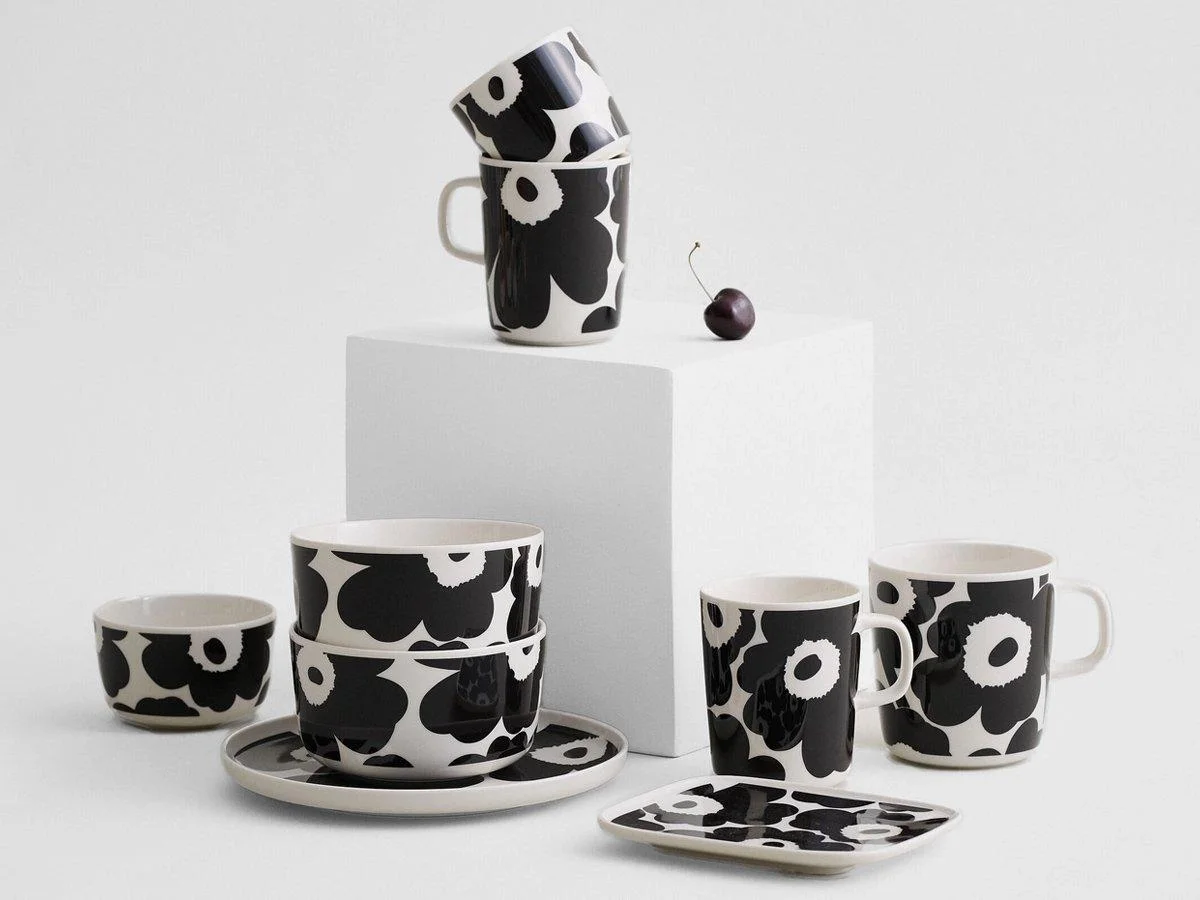
Marimekko
Marimekko

One of Finland's most internationally recognized design houses, founded in Helsinki in 1951. Marimekko is famous for its colorful prints, clothing, bags, textiles, and homeware, including the iconic Unikko pattern

Iittala
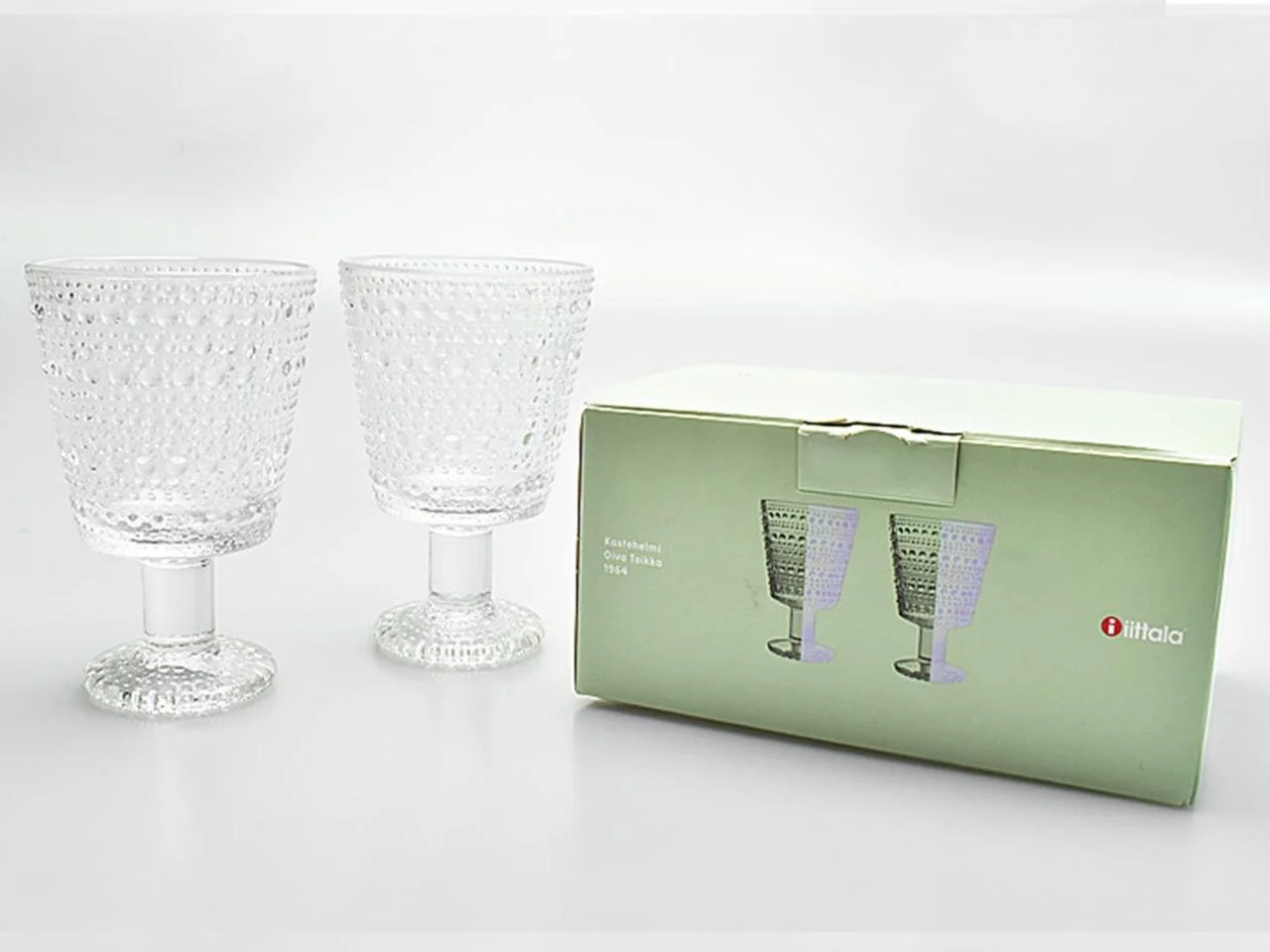
Iittala

Historic Finnish design brand famous for glassware, tableware, ceramics, and timeless Scandinavian design

Arabia
Arabia

One of Finland's best-known ceramics brands, traditionally associated with Finnish tableware, mugs, plates, and decorative ceramics

Fiskars
Fiskars

Founded in Finland in 1649, Fiskars is one of the country's oldest and most internationally recognized companies, famous for its scissors, gardening tools, outdoor products, and functional design

Reima
Reima

Finnish children's clothing brand specializing in practical outdoor clothing designed for Nordic weather

Halti
Halti

Finnish outdoor and sports brand producing clothing, footwear, and equipment inspired by Finland's forests, mountains, and winter conditions.

Luhta
Luhta

Finnish fashion and outdoor clothing brand with a strong Nordic identity, particularly known for sportswear and winter clothing

Samuji
Samuji

Finnish fashion and lifestyle brand recognized for minimalist clothing, textiles, and contemporary Nordic design

Local Goods & Retail

Finnish souvenirs beautifully reflect the country's Nordic design, forests, lakes, Lapland, Sámi culture, food traditions, and everyday lifestyle.

Finnish Design Products

Marimekko textiles, Iittala glassware, Arabia ceramics, and Alvar Aalto-inspired objects make distinctive Finnish souvenirs.

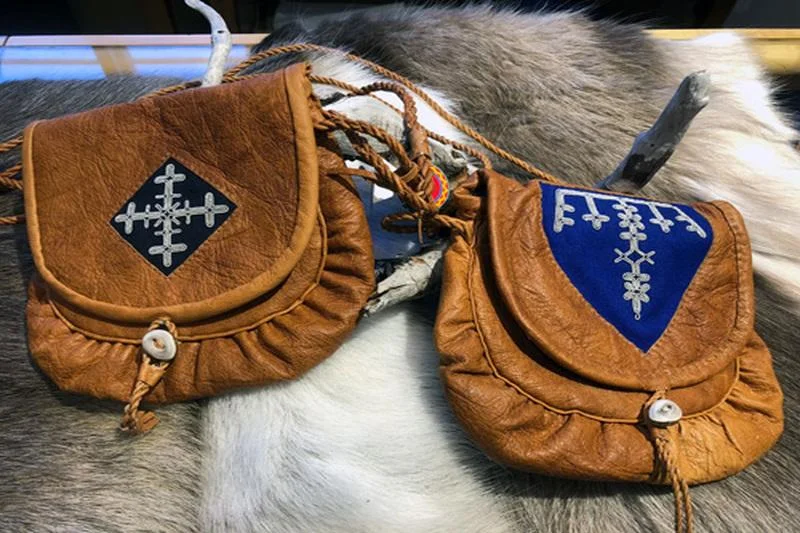
Sámi Handicrafts – Lapland

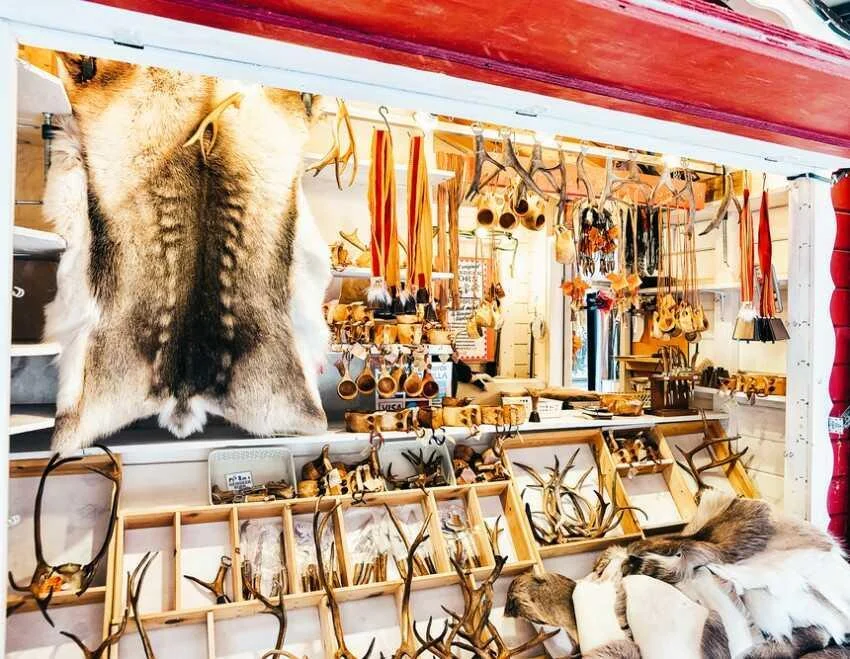
Traditional Sámi handicrafts, often known as duodji, include carefully crafted items made from materials such as wood, leather, textiles, and reindeer-related materials.

Reindeer Products – Lapland

Lapland offers a variety of locally produced food and handicraft products connected with reindeer herding traditions.

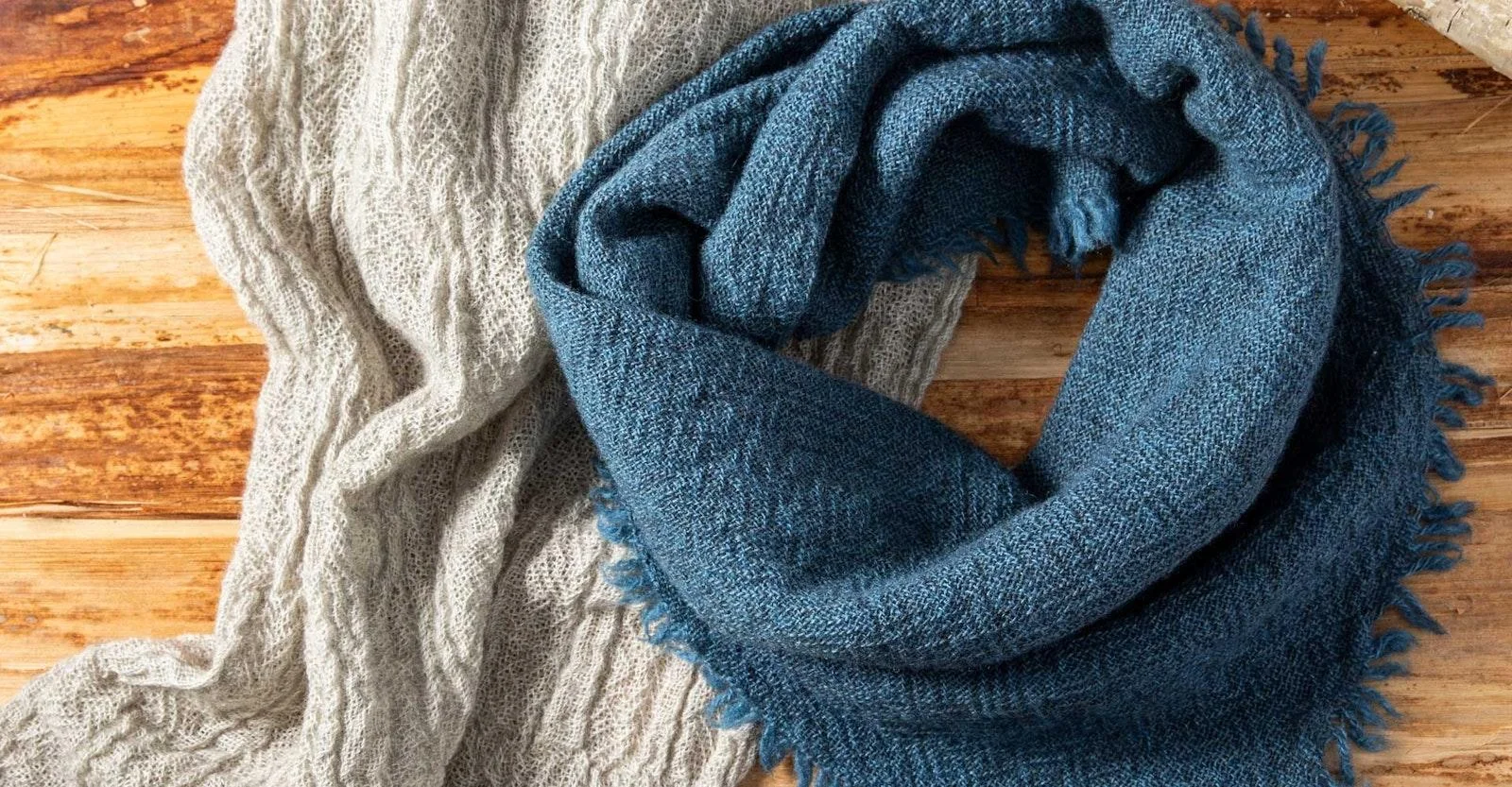
Finnish Wool & Textiles

Wool socks, blankets, scarves, and other warm textiles are especially popular souvenirs during the winter season.

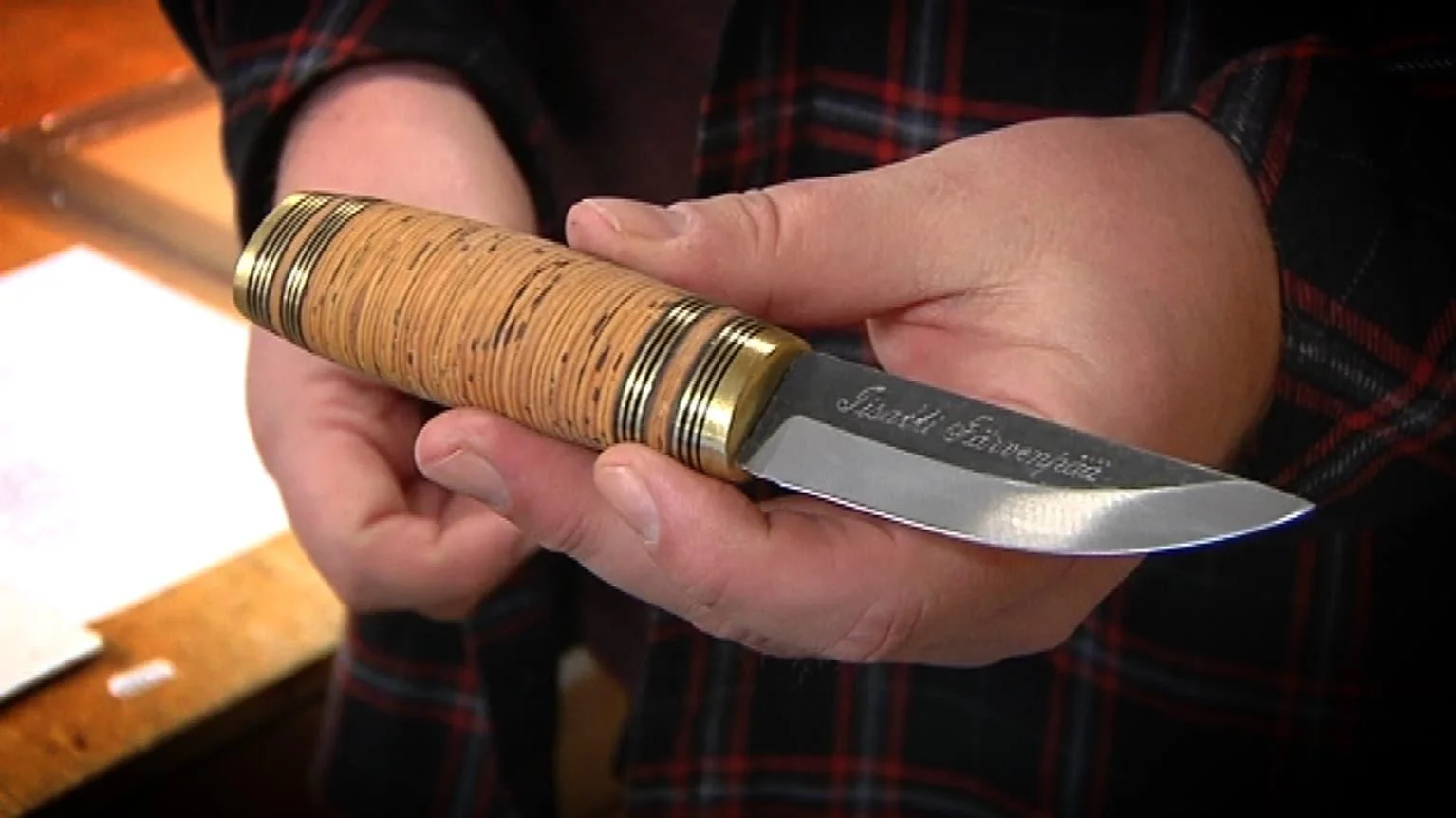
Finnish Knives
Finnish Knives

Traditional Finnish knives, particularly puukko, are closely associated with Finnish outdoor culture and craftsmanship.

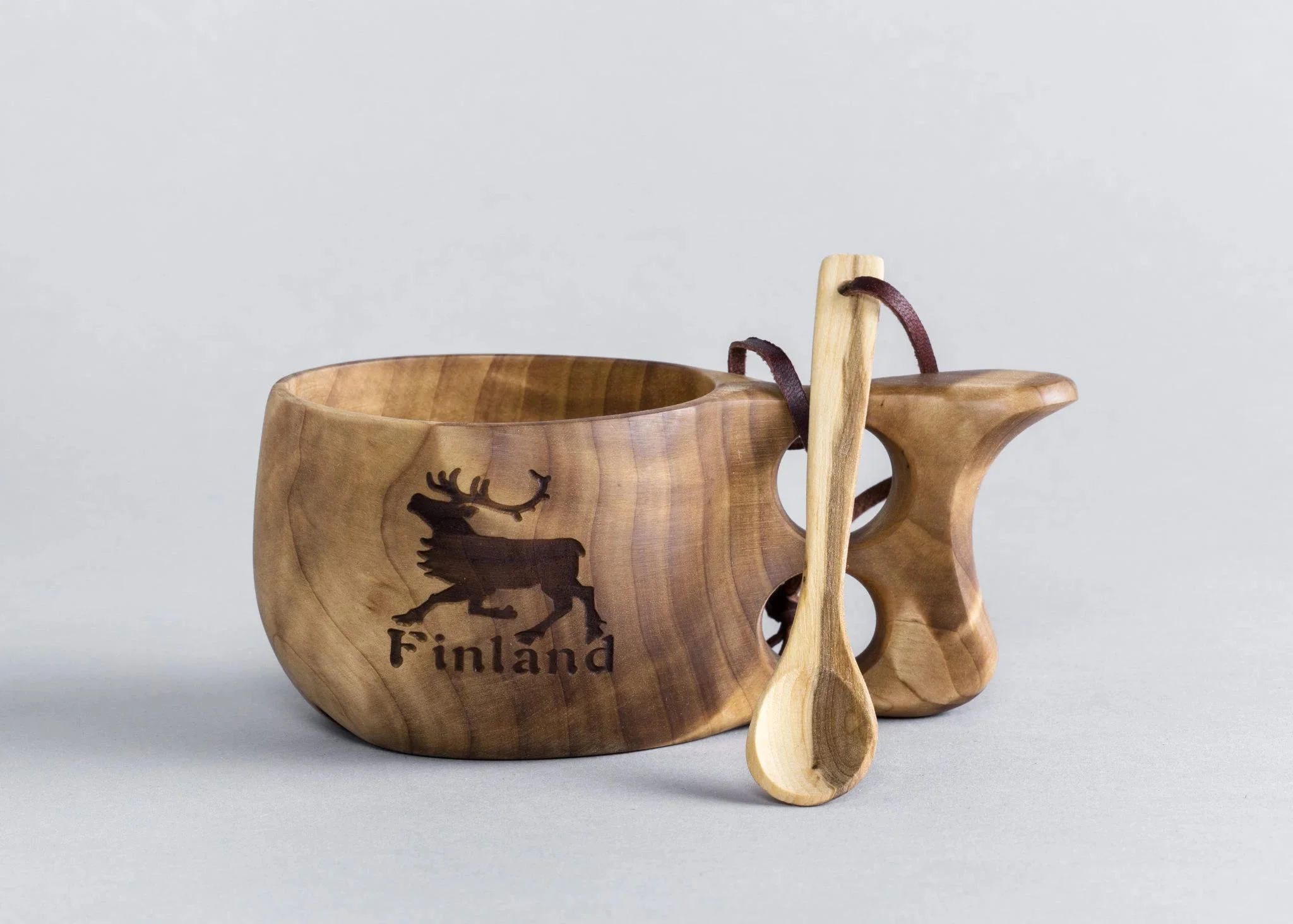
Finnish Birch Products

Birch is deeply connected with Finnish nature and culture. Wooden kitchenware, decorations, and small design objects make attractive natural souvenirs.

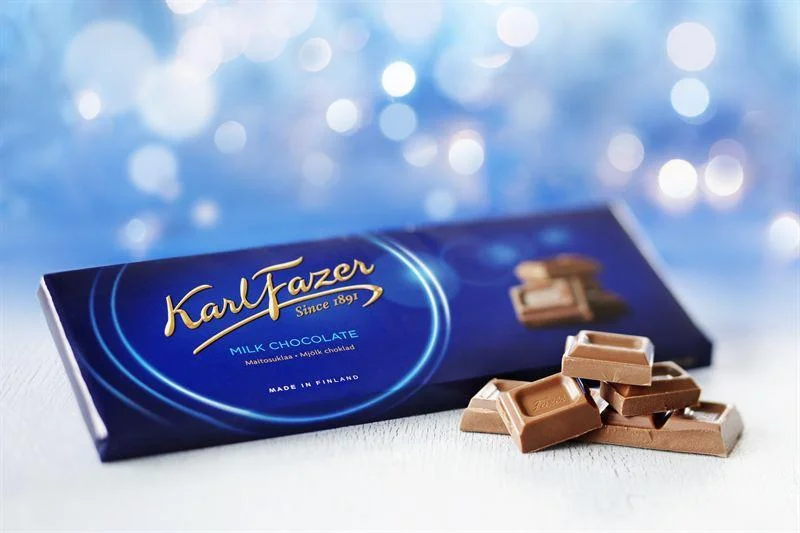
Finnish Chocolate – Fazer

Fazer chocolate is one of the easiest and most popular Finnish gifts to bring home.

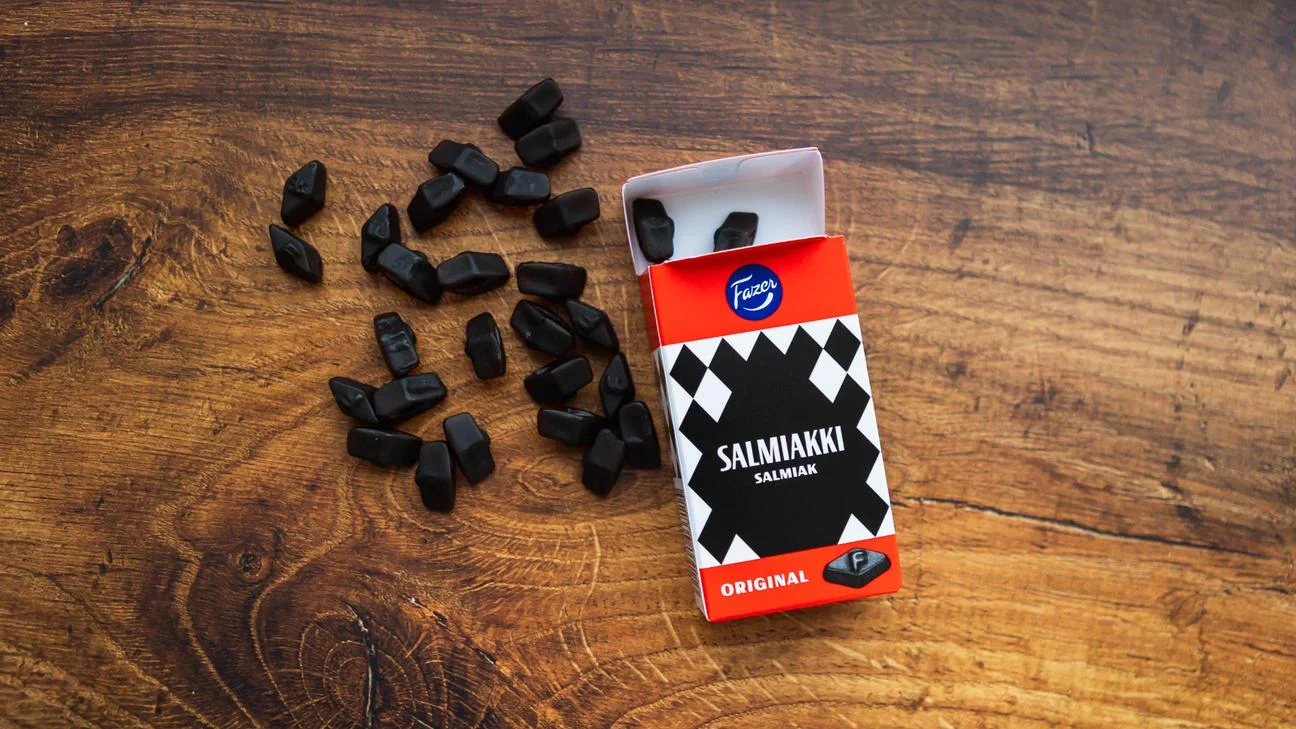
Salmiakki – Finnish Salty Licorice

A classic Finnish confectionery experience, particularly popular among locals and adventurous visitors.

Finnish Coffee
Finnish Coffee

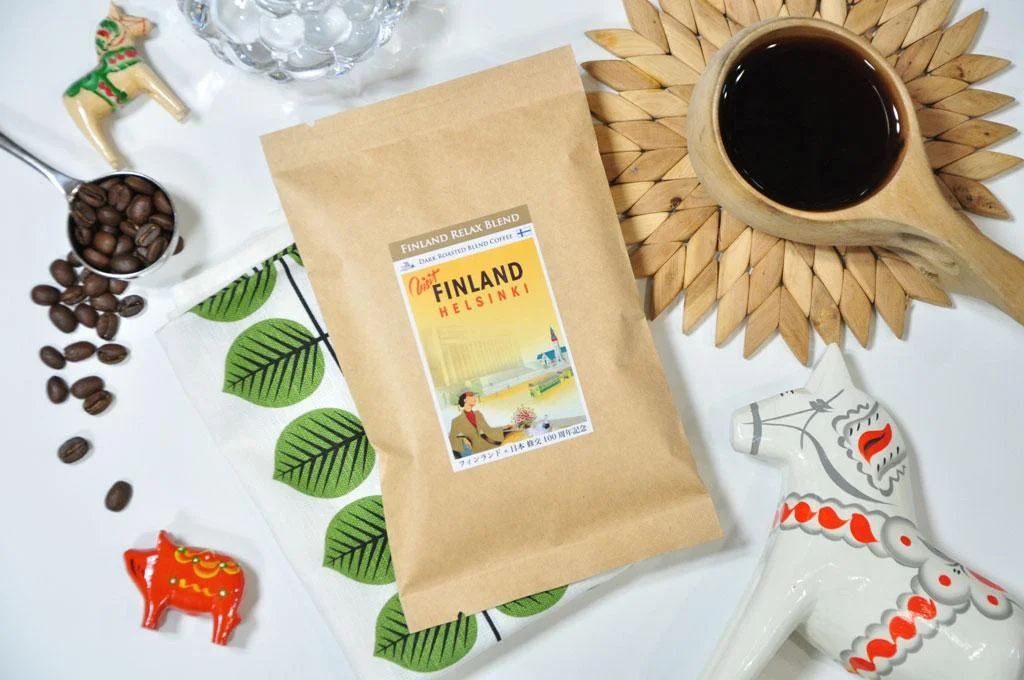
Coffee has a particularly strong place in Finnish everyday culture. Finnish roasted coffee makes a practical and authentic souvenir.

Cloudberry Products – Lapland

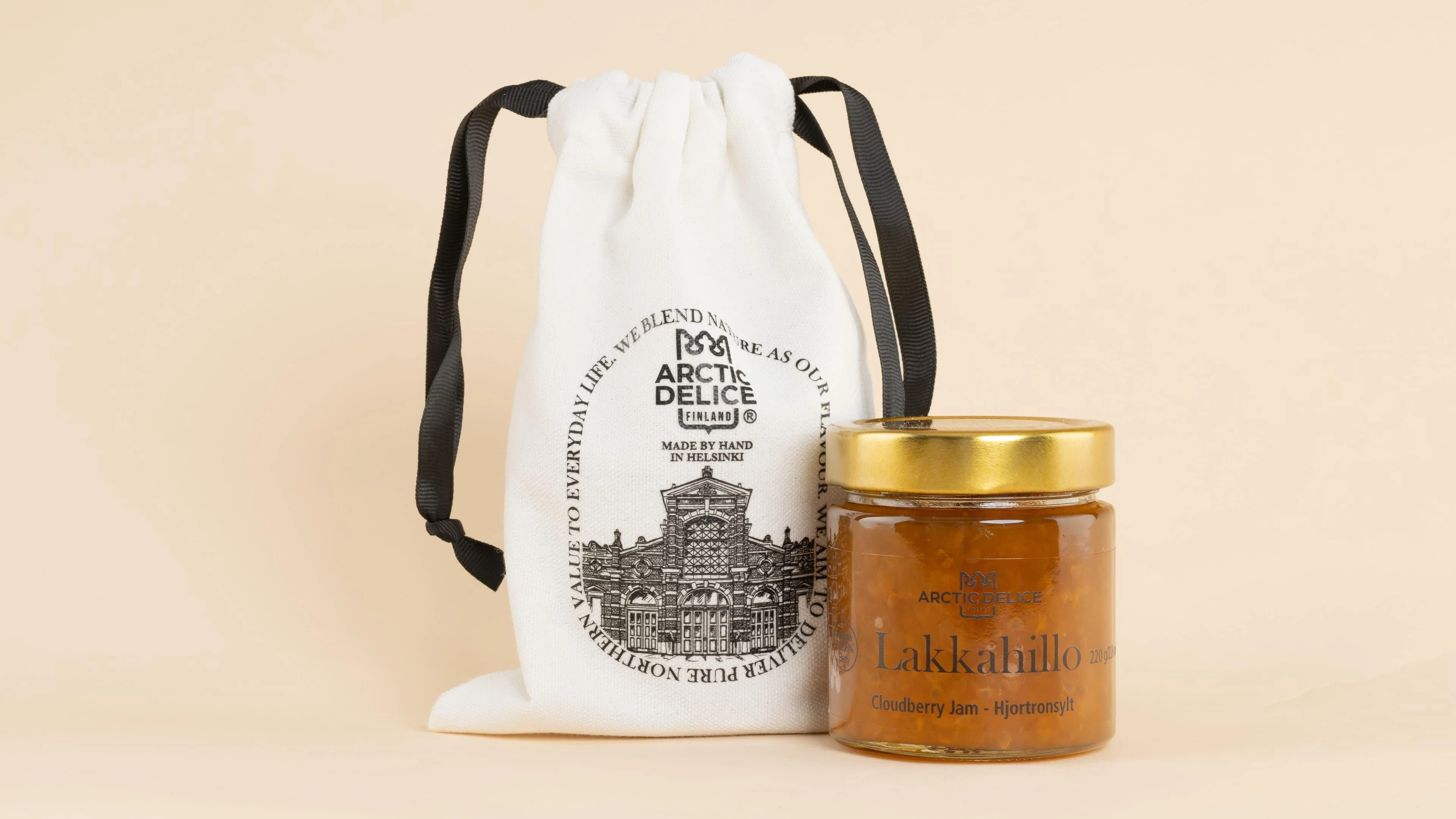
Cloudberries are among Finland's prized northern berries. Jams, sweets, sauces, and other cloudberry products make excellent Lapland souvenirs.

Lingonberry & Bilberry Products

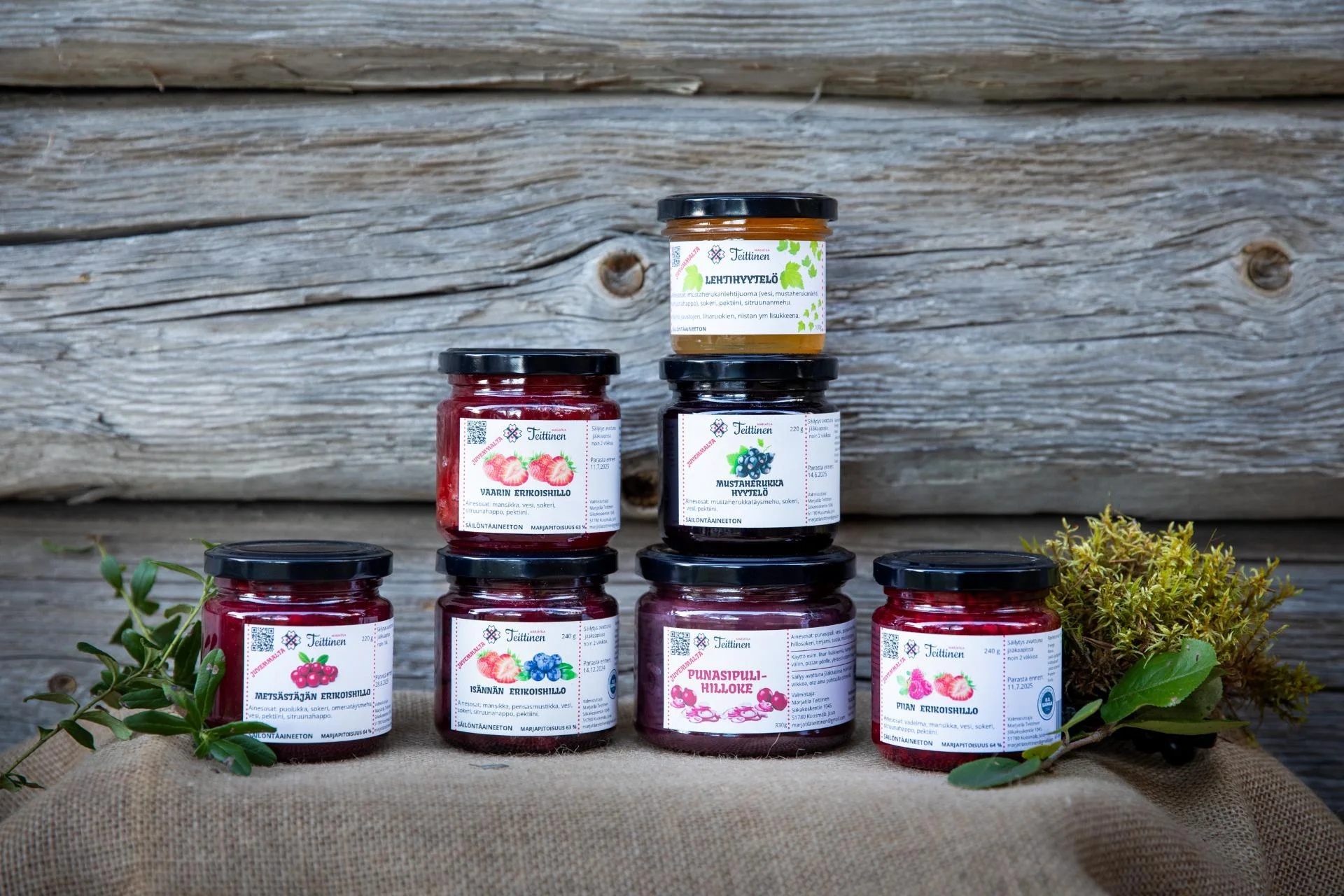
Northern berries appear in jams, juices, sweets, sauces, and other Finnish food products.

Finnish Honey
Finnish Honey

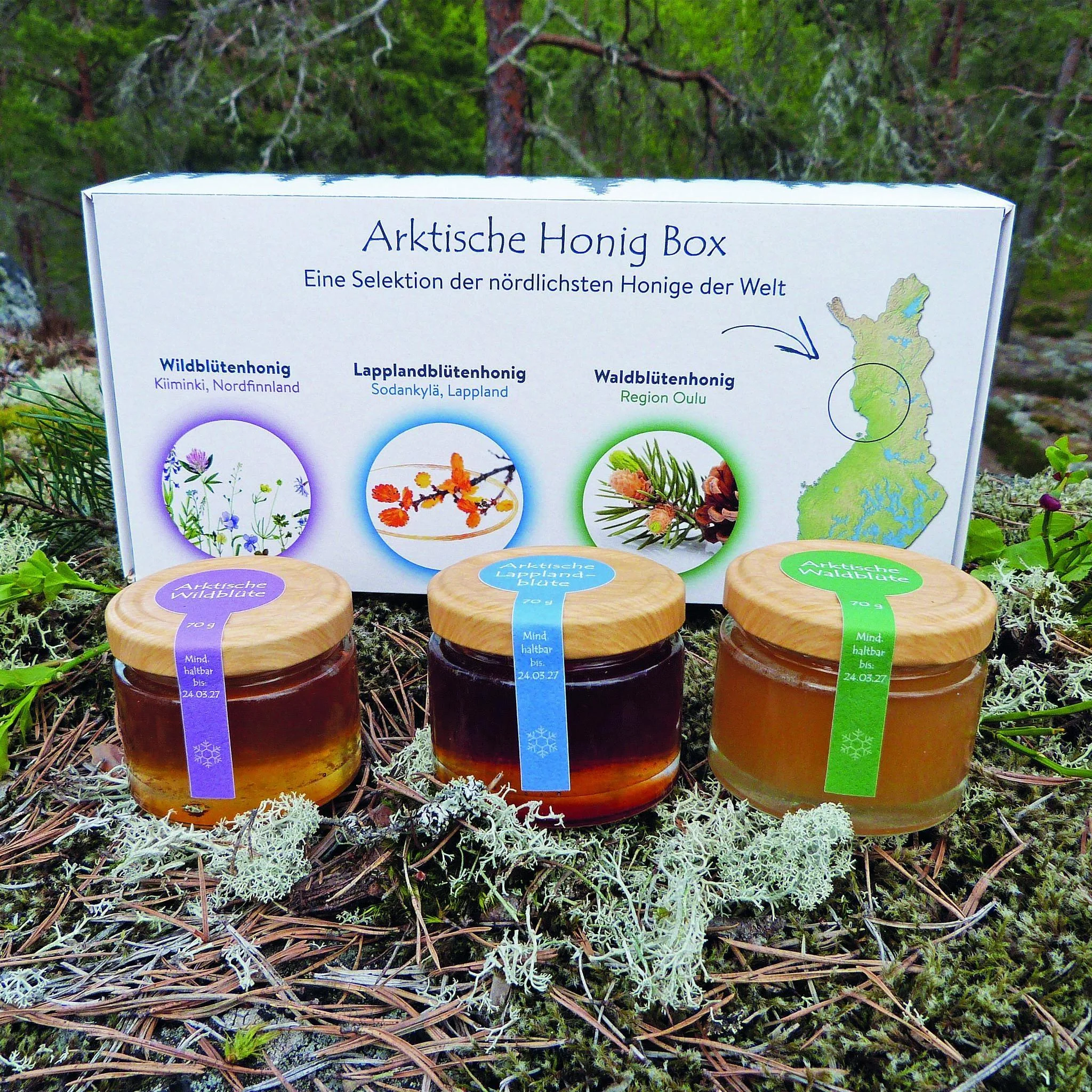
Locally produced Finnish honey is another simple food souvenir connected to the country's clean natural environment.

Rye Products
Rye Products

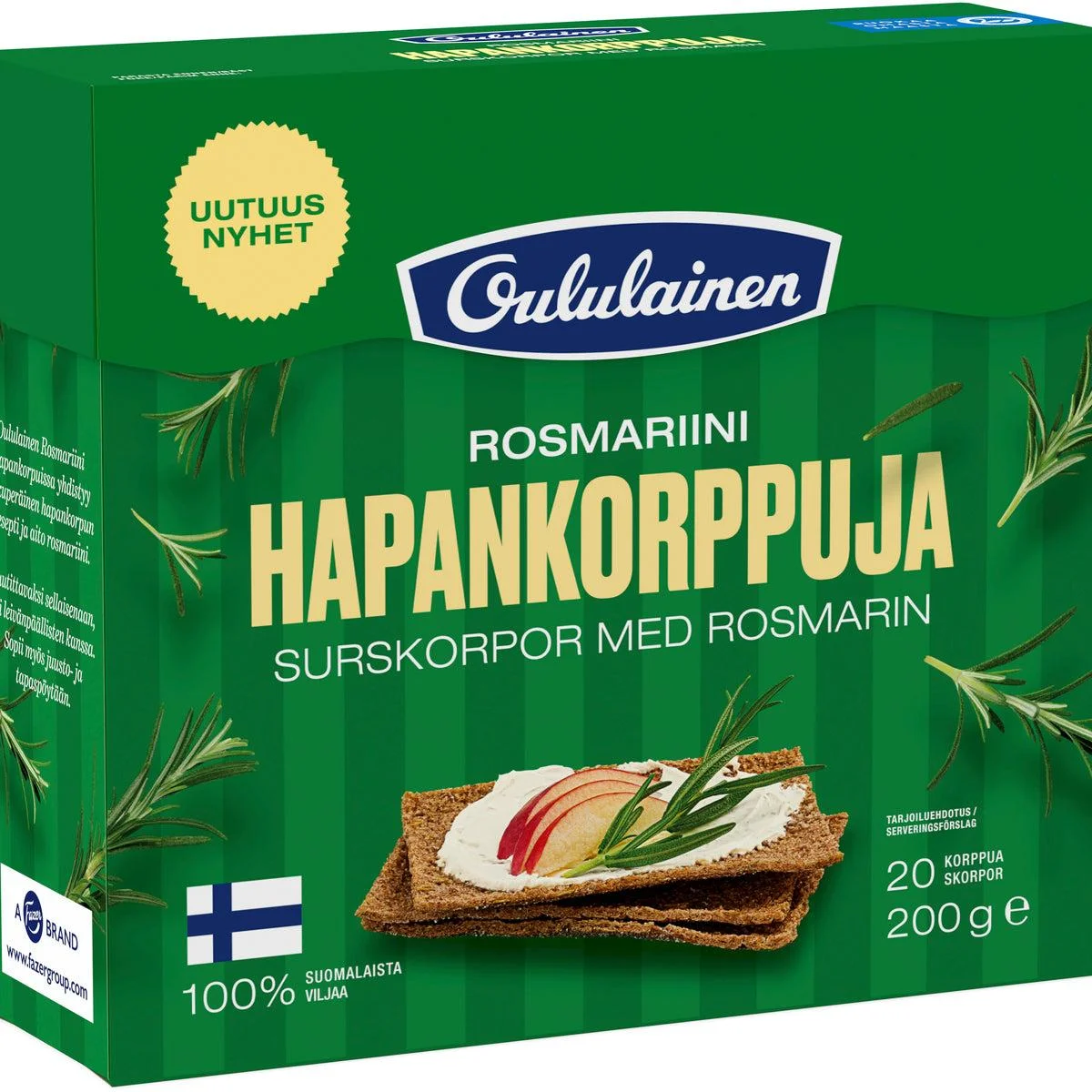
Finnish rye bread, rye crackers, and other rye-based products represent an important part of traditional Finnish food culture.

Finnish Sauna Products

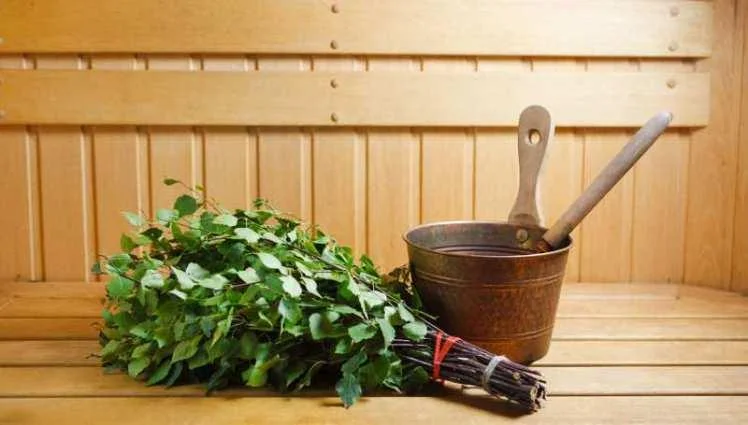
Sauna accessories such as vihta/vasta, sauna textiles, wooden accessories, fragrances, and small sauna-themed products make distinctly Finnish gifts.

Finnish Glass & Crystal

Finnish glassware is celebrated for its clean Nordic shapes, craftsmanship, and functional beauty. Handcrafted and modern glass pieces make elegant souvenirs, especially from Finnish design houses such as Iittala and designs inspired by Alvar Aalto

Finland has several shopping centres and outlet-style destinations where visitors can find Finnish fashion, design, sportswear, homeware, and international brands.

Helsinki Outlet
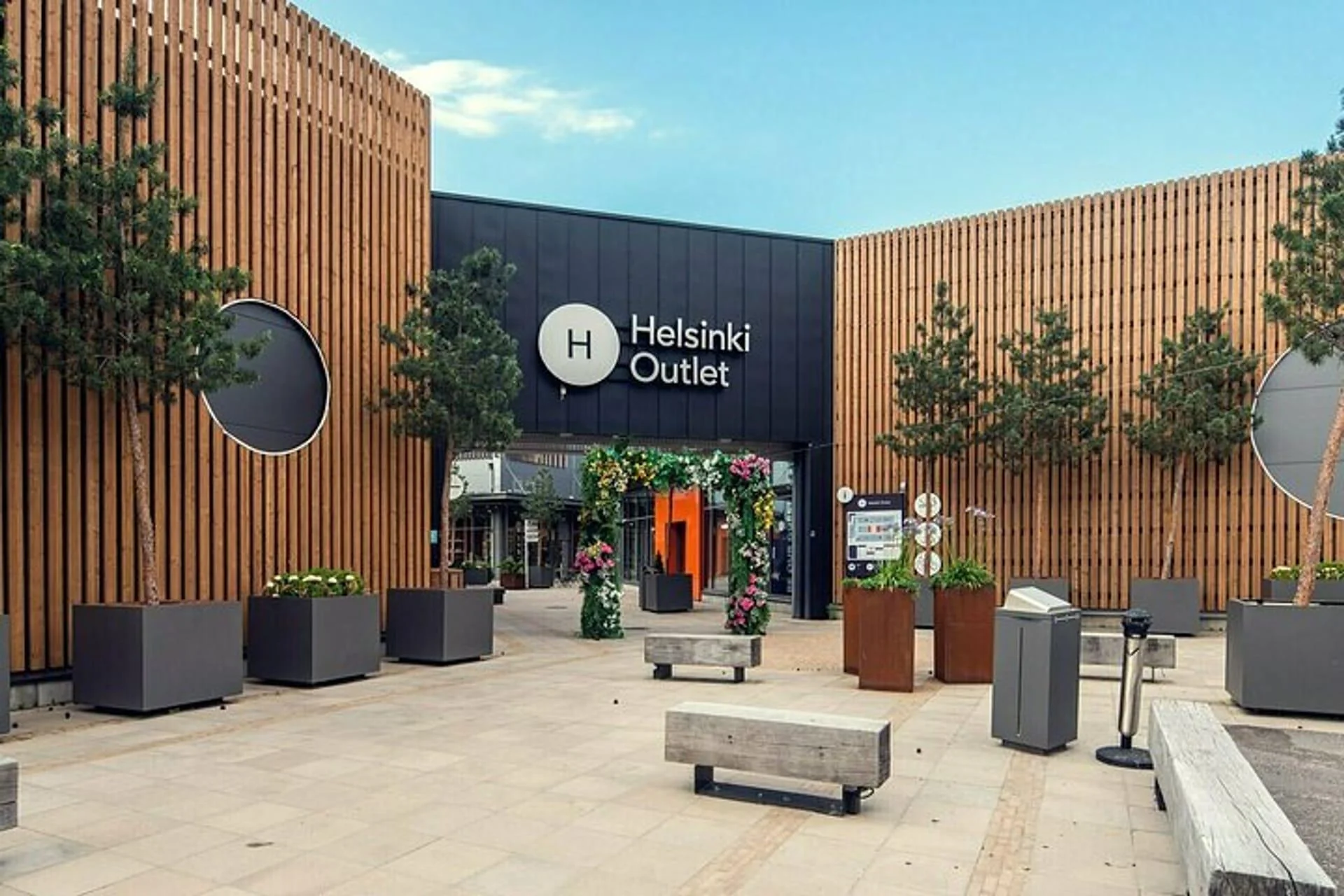
Helsinki Outlet

A large outlet shopping destination near Helsinki-Vantaa Airport, featuring Finnish and international fashion and lifestyle brands.

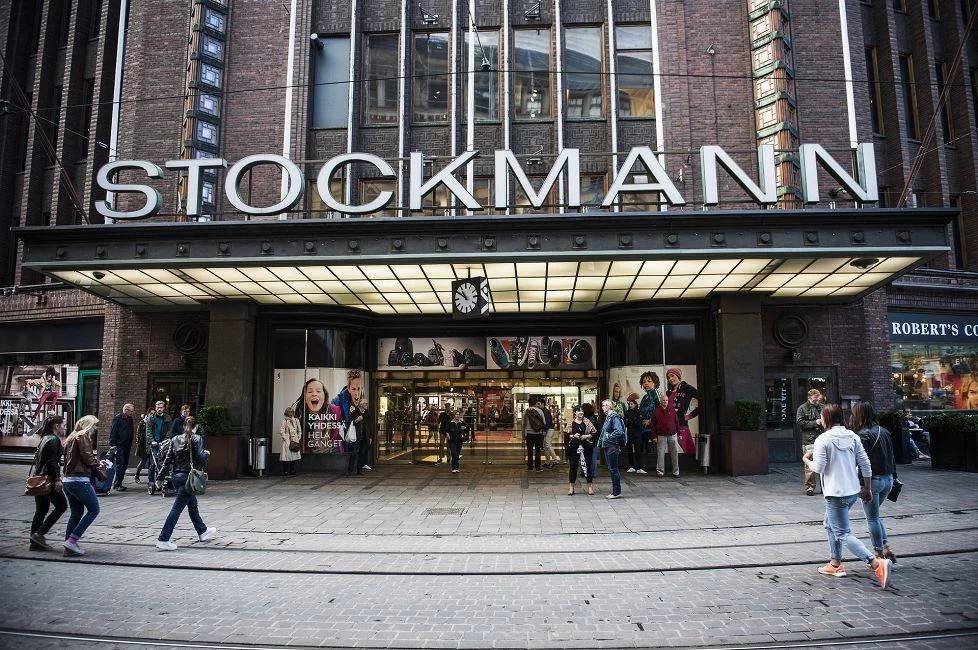
Stockmann – Helsinki

Finland's iconic department store, offering fashion, beauty, homeware, Finnish design, food, and international brands

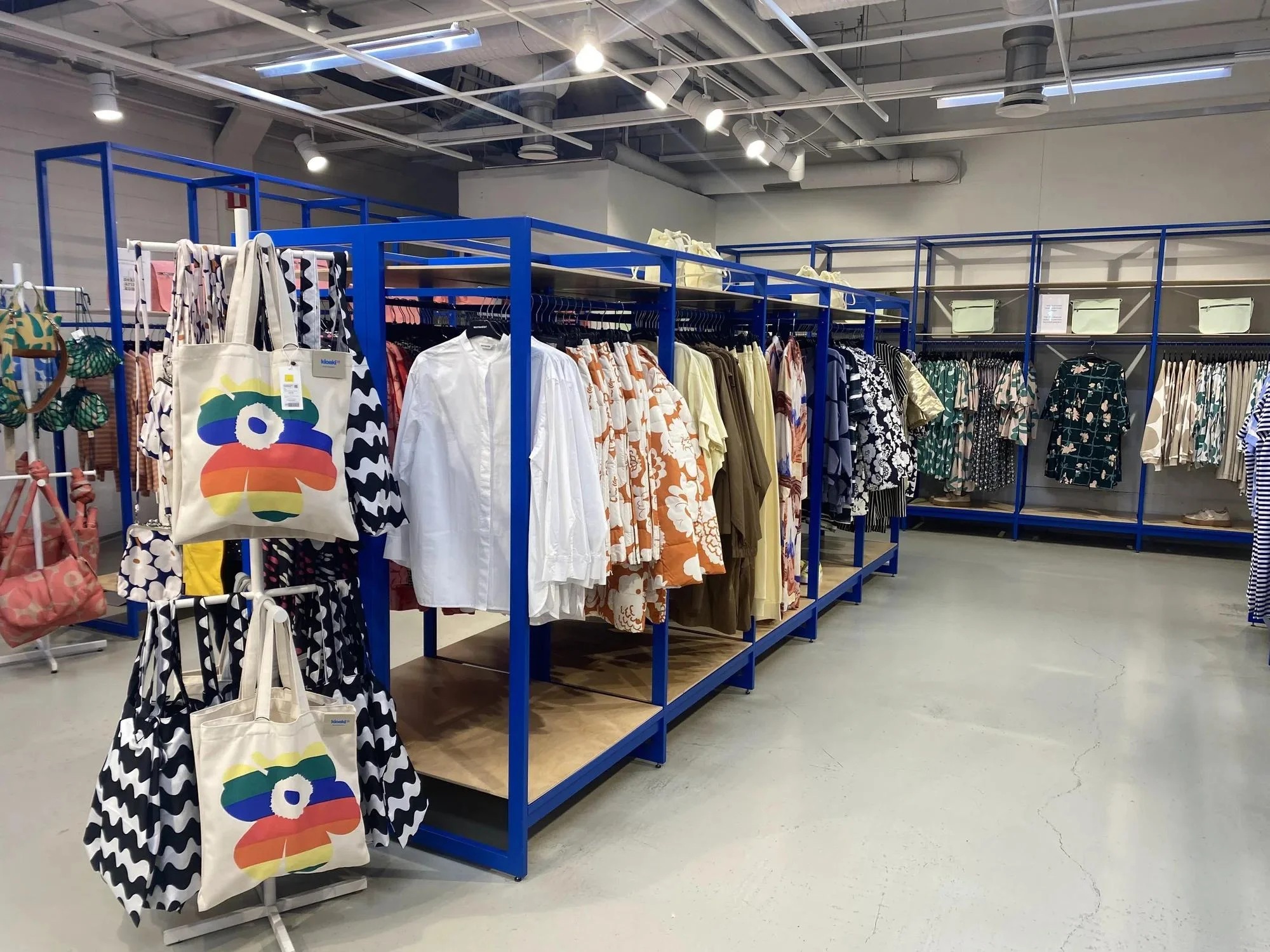
Marimekko Outlet – Helsinki

A popular place to discover Marimekko clothing, fabrics, bags, home textiles, and selected outlet products.

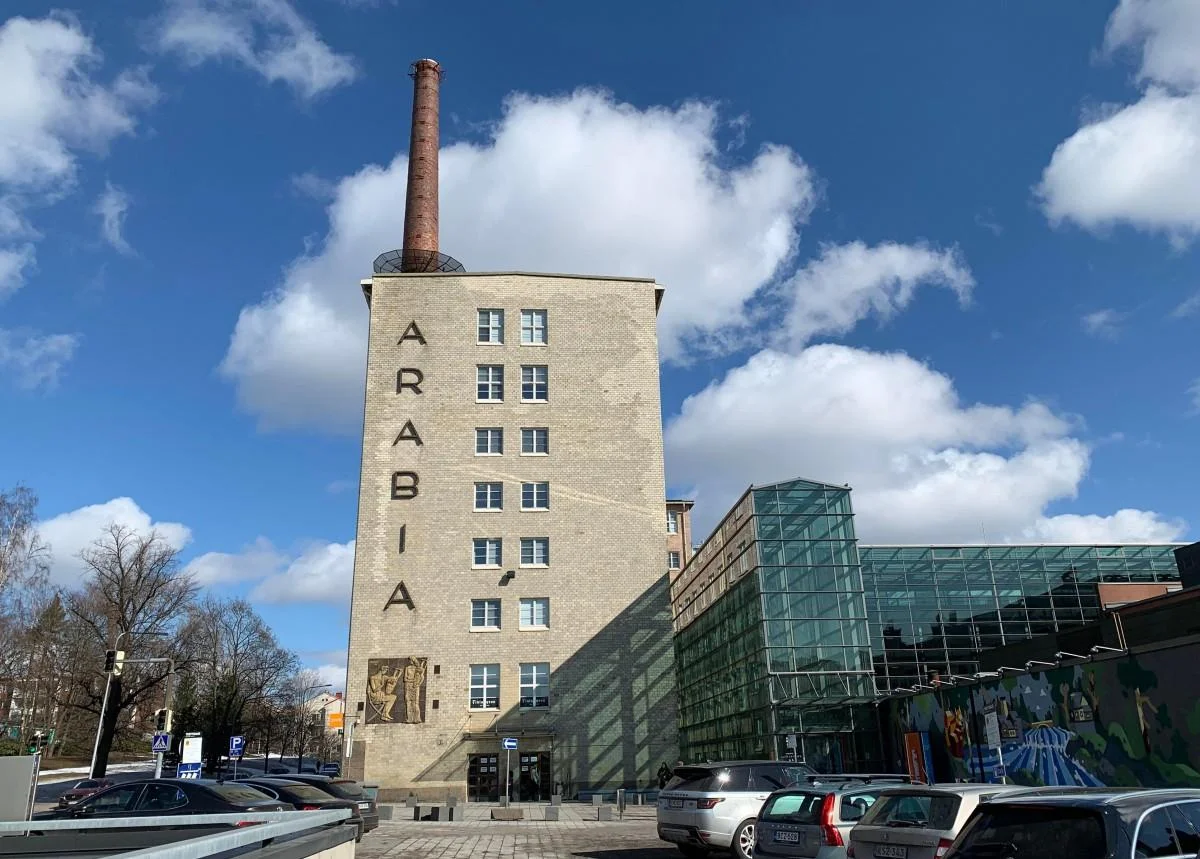
Iittala & Arabia Design Centre – Helsinki

A major destination for Finnish design, featuring Iittala and Arabia products alongside exhibitions and design experiences.

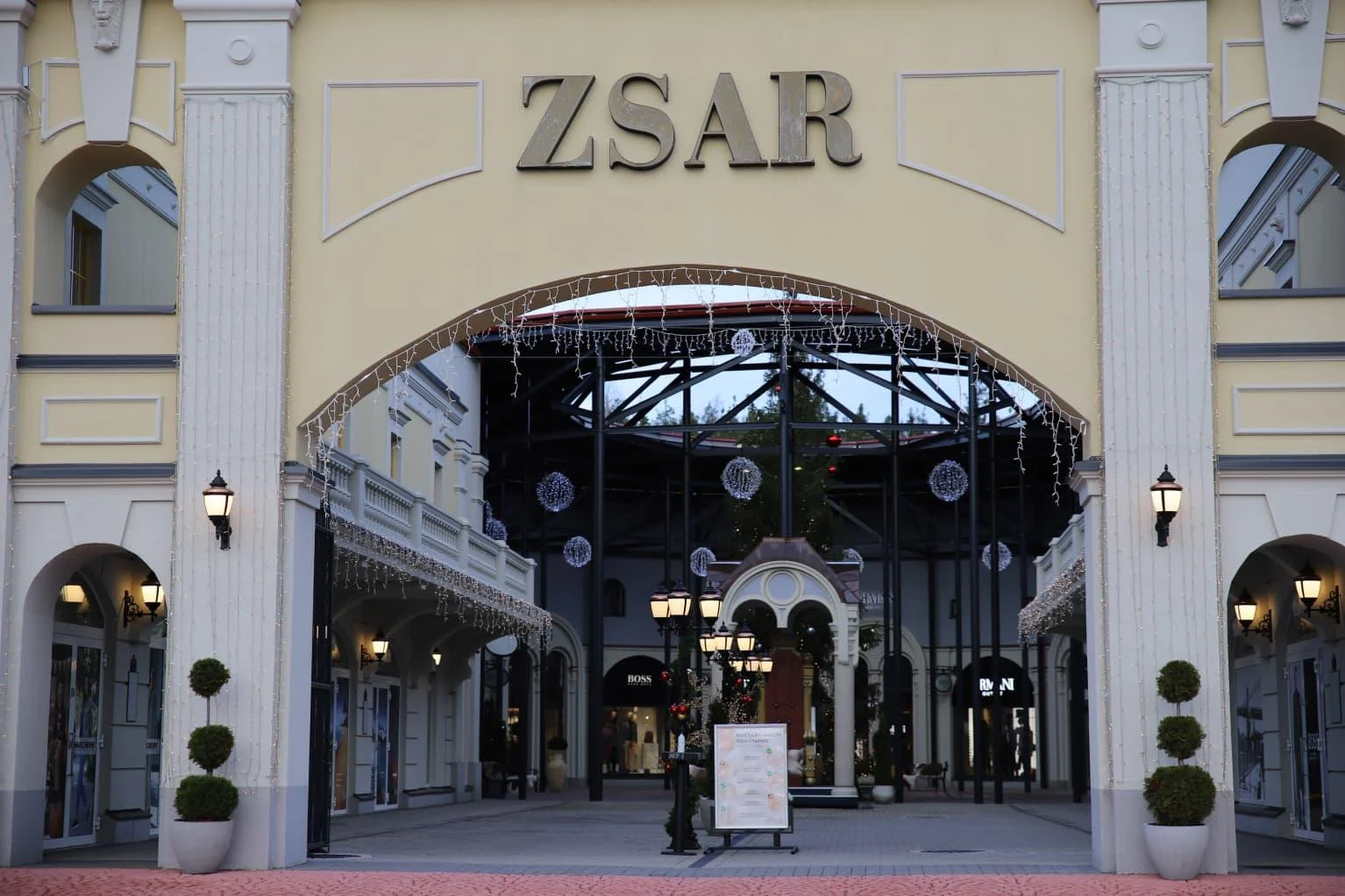
Zsar Outlet Village – Vaalimaa

An outlet shopping destination in southeastern Finland offering fashion, accessories, and lifestyle products.

For everyday shopping, groceries, Finnish food products, affordable souvenirs, and household goods, Finland has an extensive network of supermarkets and department stores.

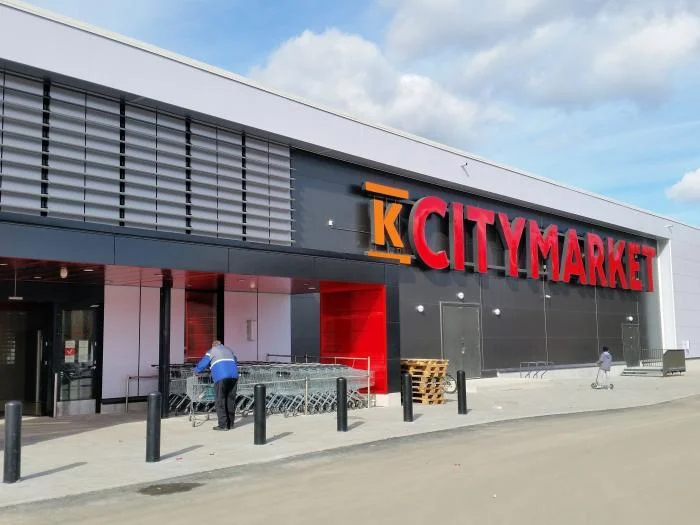
K-Citymarket
K-Citymarket

One of Finland's major hypermarket chains, offering groceries, household products, clothing, electronics, and everyday goods.

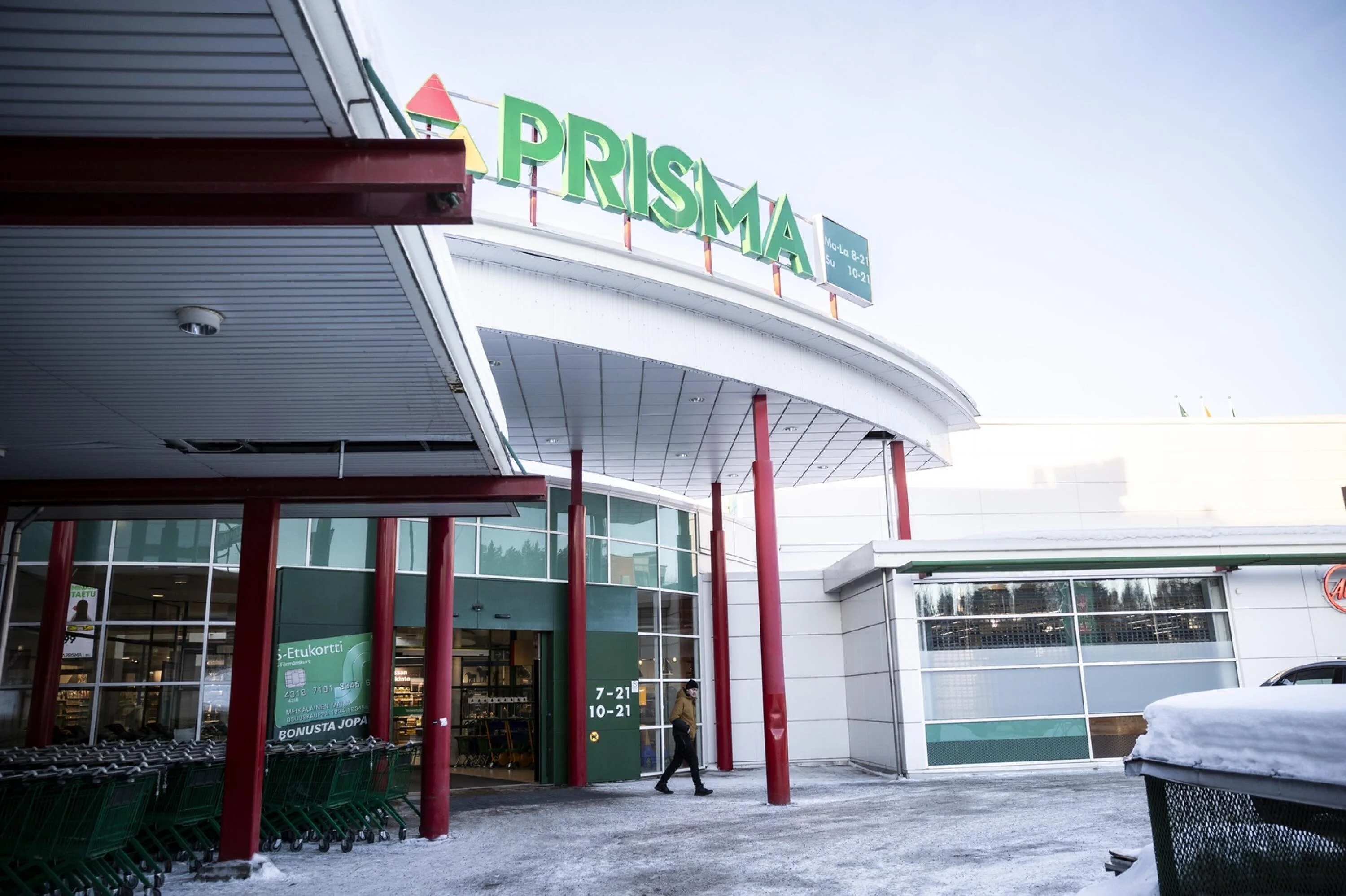
Prisma
Prisma

Large Finnish hypermarkets offering groceries, household goods, clothing, electronics, and many everyday products.

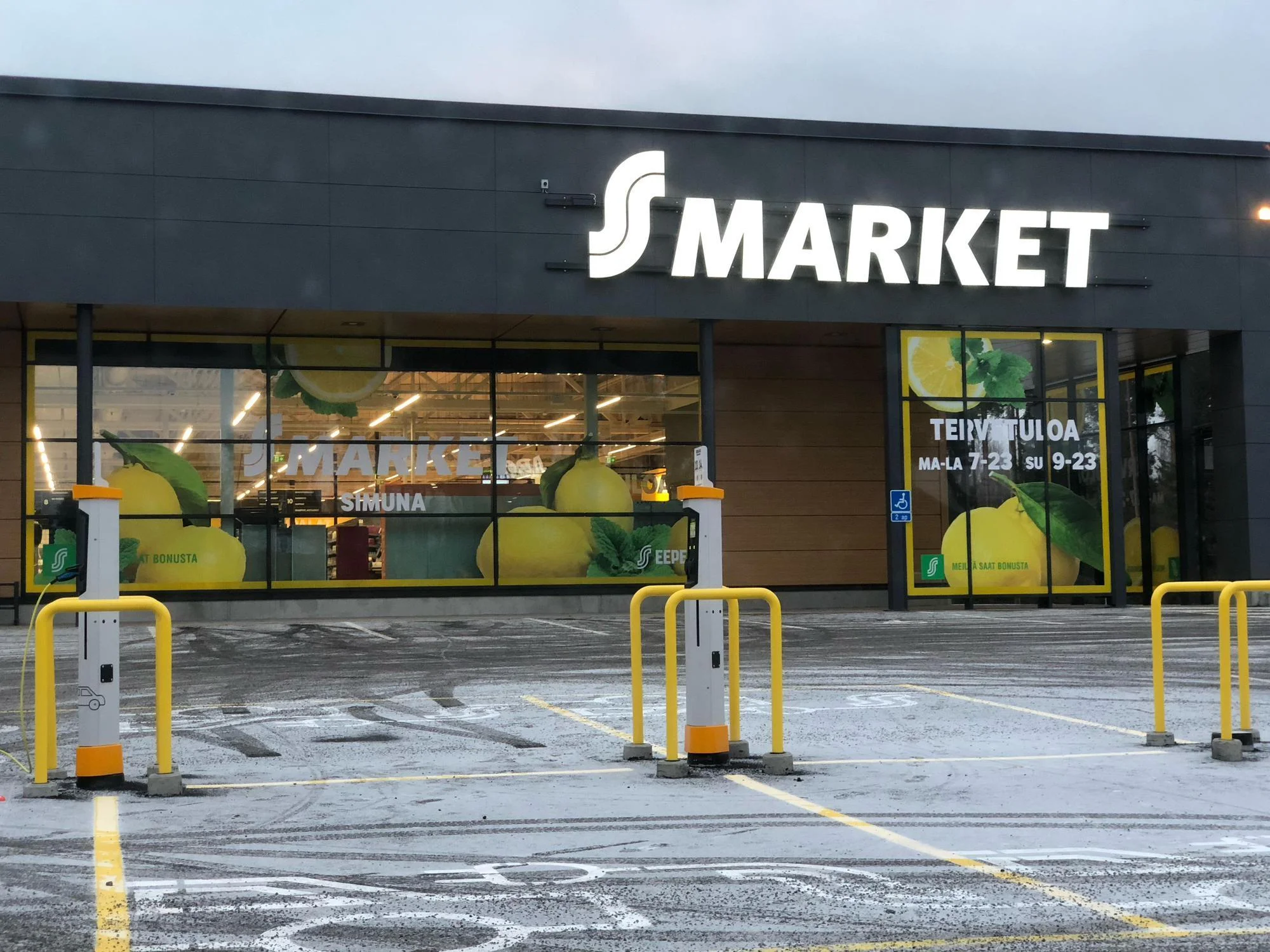
S-Market
S-Market

A widespread Finnish supermarket chain, particularly convenient for groceries and everyday shopping.

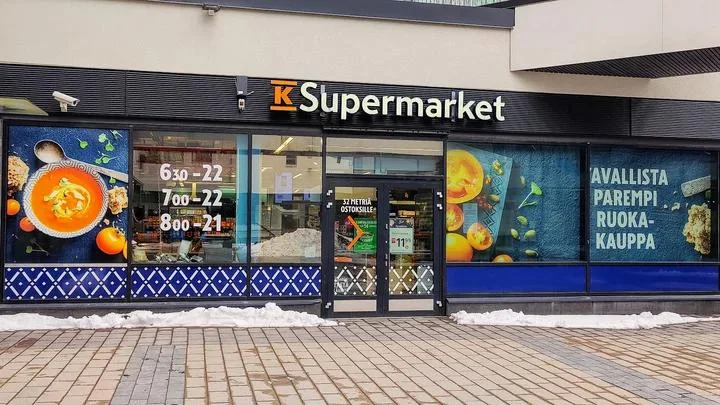
K-Supermarket
K-Supermarket

A popular supermarket chain offering groceries, fresh food, Finnish products, and household essentials.

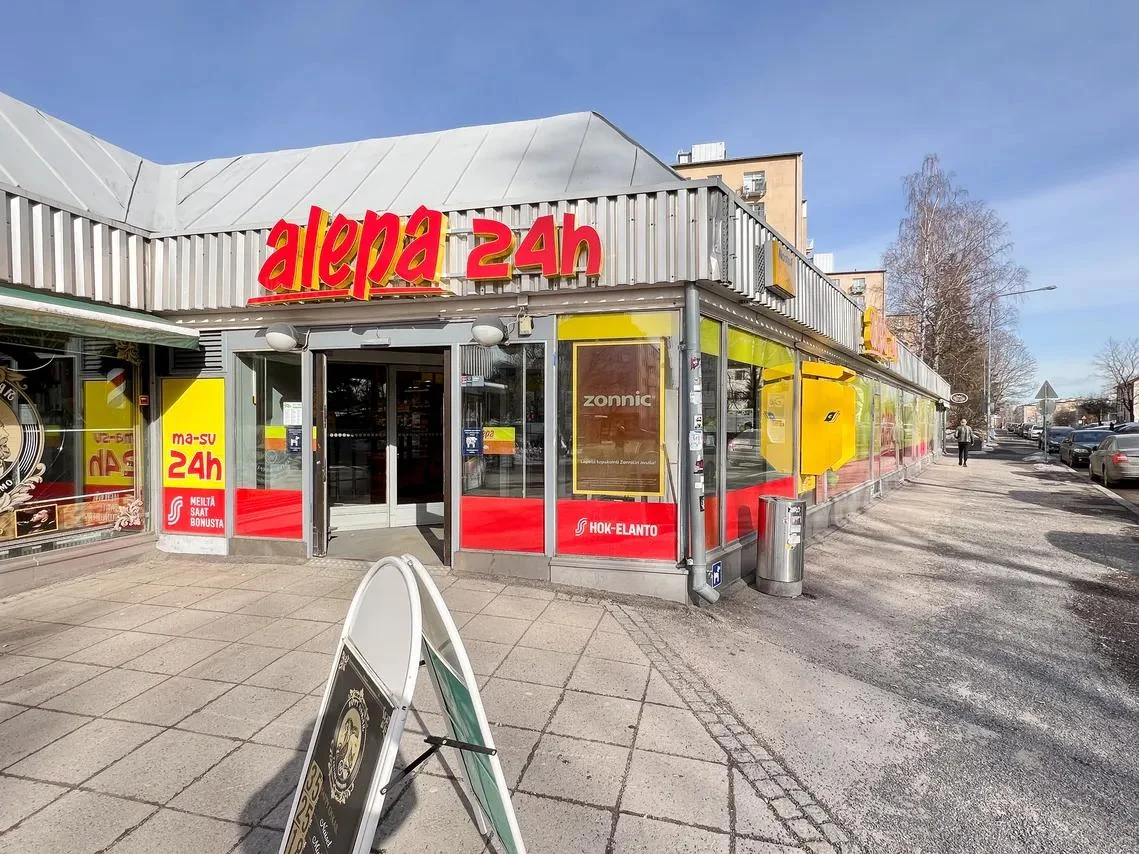
Alepa
Alepa

Convenient neighborhood supermarkets particularly common in the Helsinki metropolitan area.

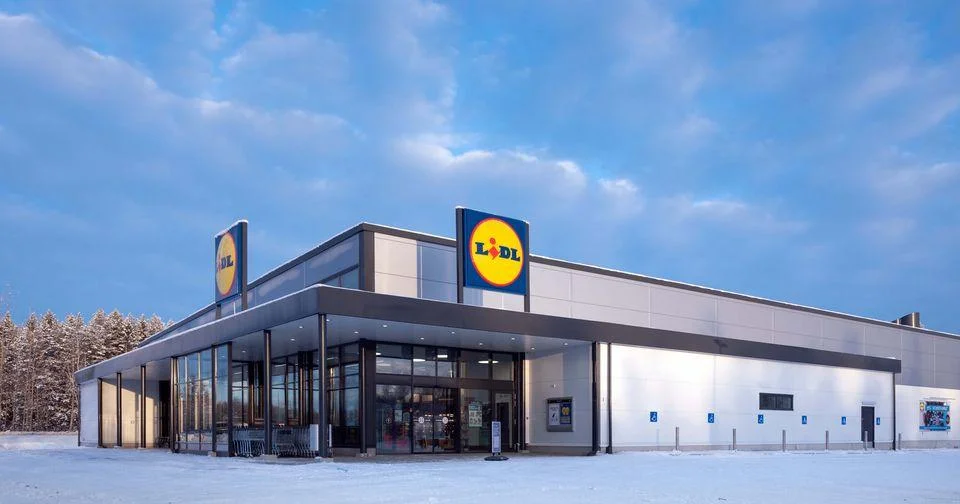
Lidl Finland
Lidl Finland

International discount supermarket chain offering groceries, household products, and seasonal items at competitive prices.

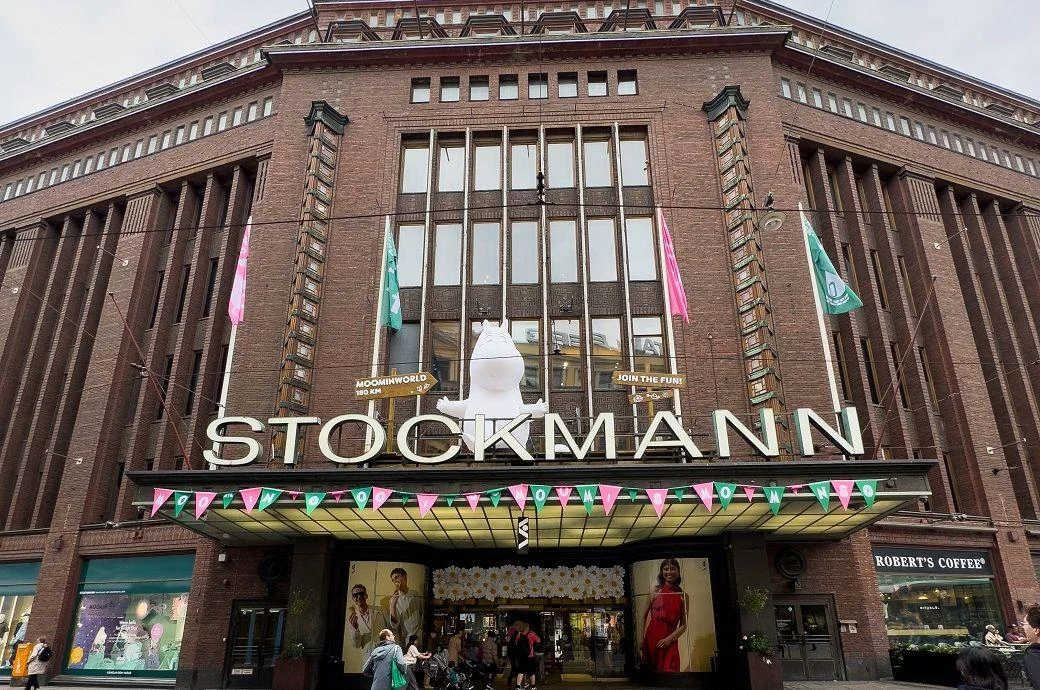
Stockmann
Stockmann

Iconic Finnish department store offering fashion, beauty, homeware, Finnish design, gourmet food, and international brands.

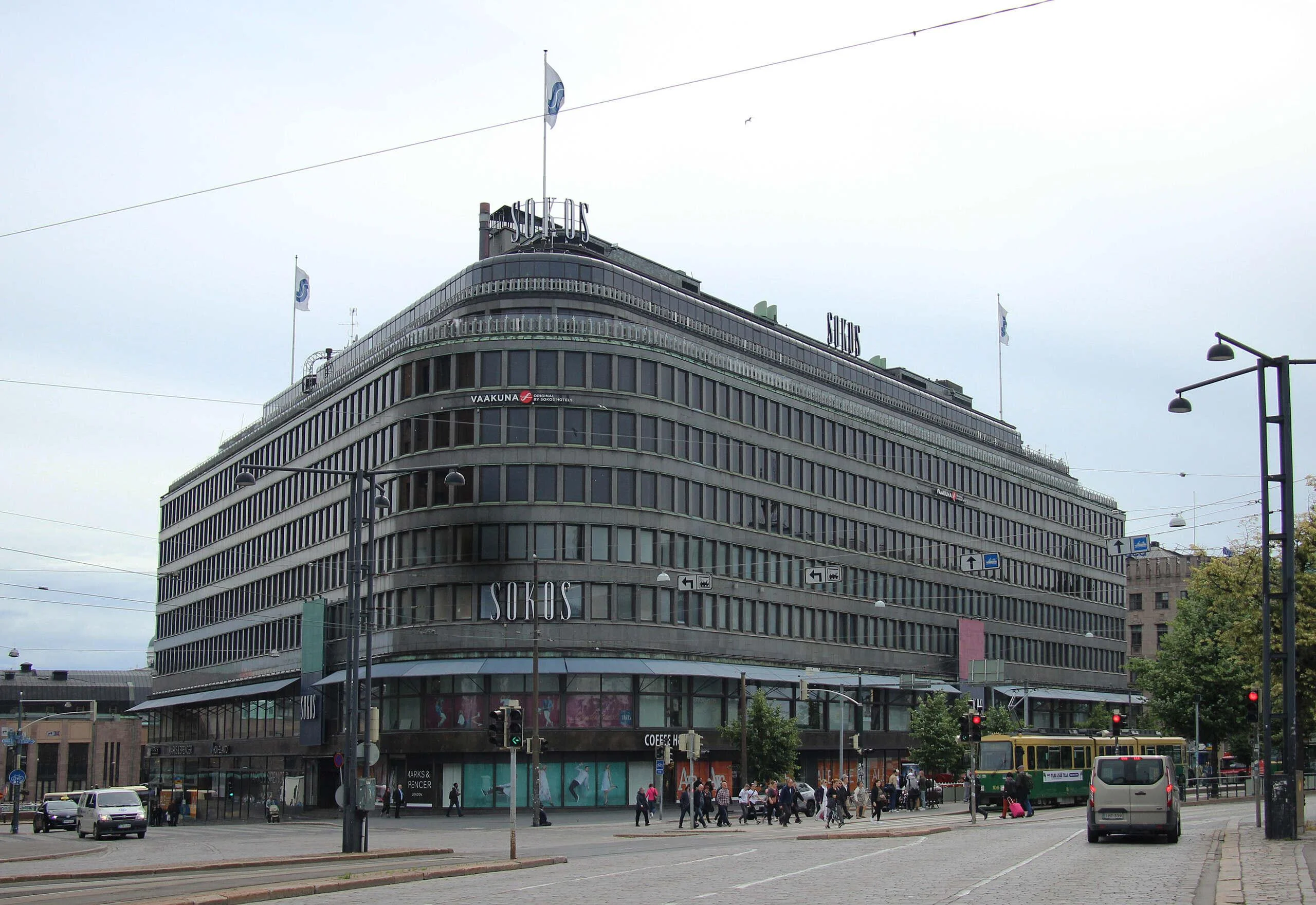
Sokos
Sokos

Finnish department store chain offering fashion, cosmetics, home products, and lifestyle goods.

Getting Around & Accommodation
titleDecore bar
❄️ Winter
❄️ Winter
🌱 Spring
🌱 Spring
☀️ Summer
☀️ Summer
🍂 Autumn
🍂 Autumn

When to Visit

A seasonal breakdown of Finland to help you choose the best climate and event experiences.

❄️ Winter

December to February

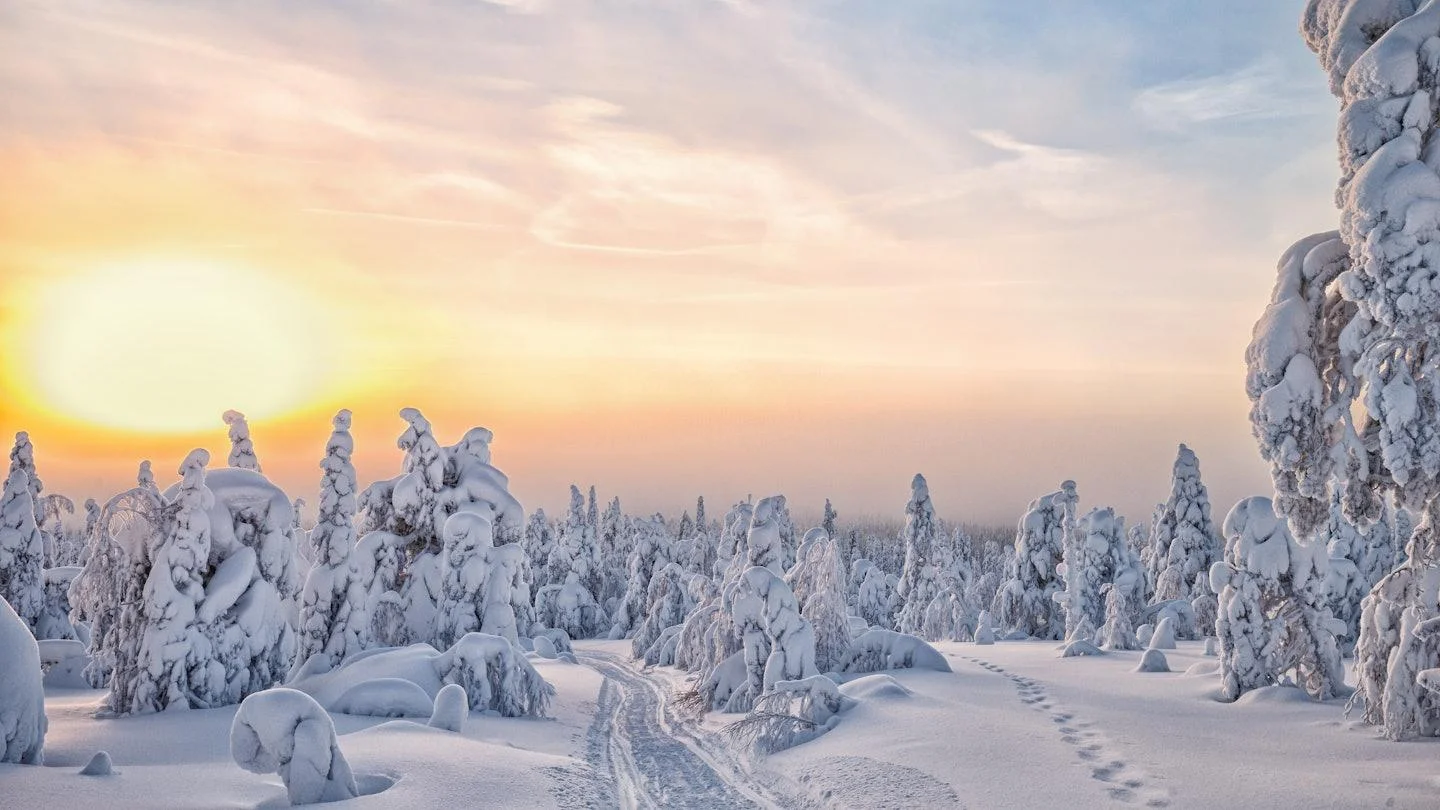
Winter transforms Finland into a snowy landscape, particularly in Lapland and eastern Finland. It is the ideal season for Northern Lights, skiing, snowmobile safaris, husky sledding, reindeer experiences, ice skating, and other Arctic activities.

WEATHER PROFILE

Cold to extremely cold — approximately -3°C to -20°C

SEASONAL HIGHLIGHTS

• Northern Lights in Lapland.

• Snowmobile and husky safaris.

• Reindeer sleigh rides.

• Cross-country and downhill skiing.

• Ice skating and snowshoeing.

• Christmas atmosphere in Helsinki and Rovaniemi.

• Frozen lakes and snowy forests.

• Glass cabins and Arctic wilderness experiences.

🌱 Spring

March to May

Spring brings a dramatic return of light. Southern Finland begins to thaw while Lapland can remain covered in snow well into May, creating excellent conditions for late-season skiing and winter experiences in the north.

WEATHER PROFILE

Cool to mild — approximately 0–15°C

SEASONAL HIGHLIGHTS

• Spring skiing in Lapland.

• Longer daylight hours.

• Vappu celebrations on 1 May.

• Melting lakes and awakening forests.

• Birdwatching and nature experiences.

• The final Northern Lights opportunities in early spring.

• Increasing outdoor activities in Helsinki and southern Finland.

☀️ Summer

June to August

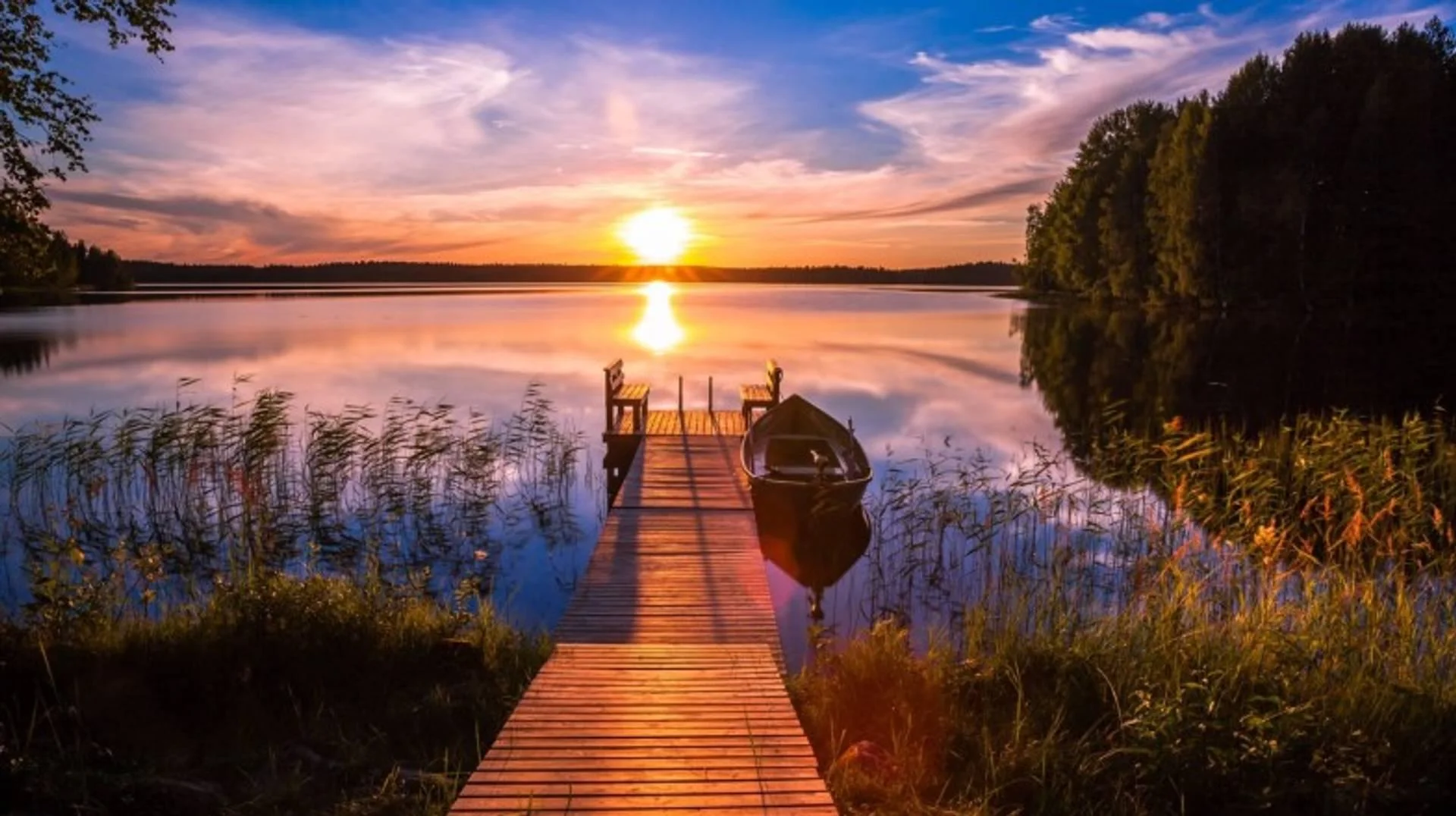
Summer is one of Finland's most beautiful seasons, with long bright days, warm lakes, forests, outdoor cafés, island excursions, hiking, cycling, and lakeside sauna experiences. Around the Arctic Circle, the Midnight Sun creates almost continuous daylight during part of the summer.

WEATHER PROFILE

Mild to warm — approximately 18–25°C

SEASONAL HIGHLIGHTS

• Midnight Sun in Lapland.

• Lake and cottage holidays.

• Swimming and kayaking.

• Hiking and national parks.

• Finnish sauna by the lake.

• Archipelago and island trips.

• Outdoor festivals and cultural events.

• Long scenic road trips.

🍂 Autumn

September to November

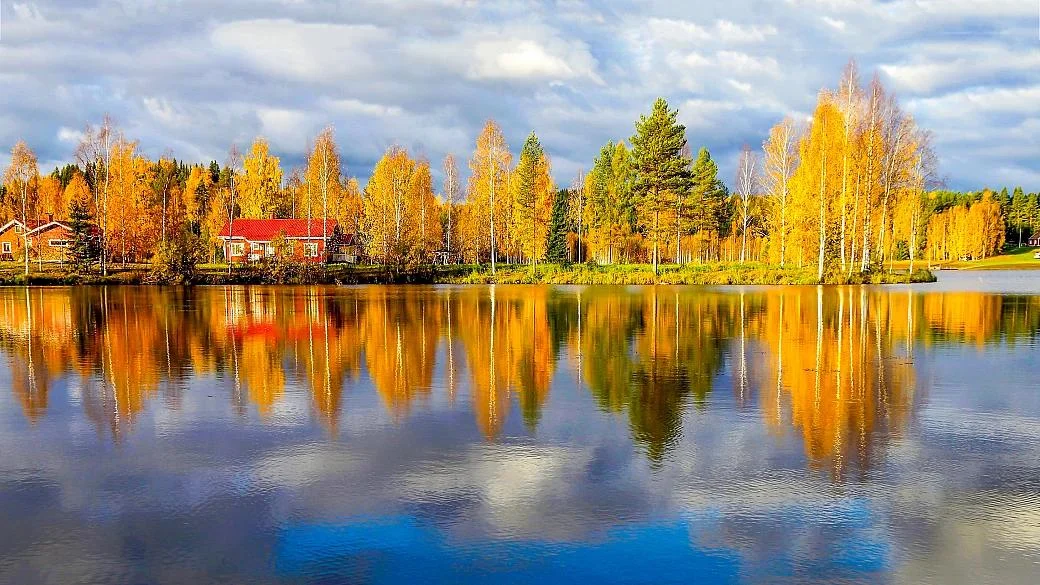
Autumn brings Finland's famous Ruska, when forests and fells turn shades of red, orange, yellow, and gold. September is also an excellent time to return to northern Finland for the beginning of the Northern Lights season.

WEATHER PROFILE

Cool and increasingly cold — approximately 0–15°C

SEASONAL HIGHLIGHTS

• Ruska autumn colours.

• Northern Lights in Lapland.

• Hiking and national parks.

• Forest and lake photography.

• Berry and mushroom picking.

• Quieter cities and attractions.

• Scenic road trips through Lapland and Lakeland.

Practical Travel Tips
titleDecore bar

Finland combines modern Nordic cities, vast forests, thousands of lakes, Arctic landscapes, and a highly efficient transport network. Understanding local customs, transport, weather, payments, and everyday life will make your journey more comfortable and enjoyable.
Emergency Numbers

Police

112

Ambulance / Fire

112

Emergency calls are free and can be made from mobile phones

Electricity & Plugs

Voltage & Frequency

230V • 50Hz

Plug Types

Type C & Type F Plugs
Type C plug

Type C

Type F plug

Type F

• Most modern phone, laptop, and camera chargers support 100–240V. • Check your device label before connecting it.

Finland is generally regarded as a safe destination for travellers, with well-organised public services and reliable infrastructure.
Overall Safety

Finland is suitable for: • Solo travellers • Families • Older visitors • Winter travellers

Winter Safety ❄️

Winter conditions require additional attention. • Walking surfaces can become icy. • Daylight hours are short in Lapland during winter. • Temperatures can fall significantly below freezing. • Dress in proper thermal layers and winter footwear. • Allow additional travel time during heavy snow or difficult road conditions.

Public Transportation 🚆

Finland has an efficient network of trains, buses, trams, metros, ferries, and domestic flights.

Helsinki has an integrated public transport system connecting the city centre with surrounding areas.

Keep valuables secure in busy: • Helsinki Central Railway Station • Airports • Shopping areas • Tourist attractions • Major transport terminals

Road Safety 🚗

Finland has a well-maintained road network connecting cities, towns, forests, lakes, and remote northern destinations.

Winter Driving Winter driving requires special preparation. • Winter tyres are essential during winter conditions. • Roads may be snowy or icy. • Darkness can last for long periods in northern Finland. • Reindeer and other wildlife may appear on roads in Lapland. • Check weather and road conditions before long journeys.
General Safety Tips

Keep valuables secure in crowded areas. Carry digital copies of important travel documents. Keep your passport and essential documents safely stored. Follow local traffic signs and regulations. Wear suitable footwear during winter. Check weather conditions before travelling into remote areas. Follow safety instructions during reindeer, husky, snowmobile, and other Arctic activities.

Finland is a highly cashless country where cards, contactless payments, and mobile payment services are widely accepted.

Finland is highly cashless.

Credit and debit cards are widely accepted, and contactless payments are extremely common.

Apple Pay and Google Pay are also widely supported.

ATMs are available in cities and tourist destinations, although travellers may use cash less frequently than in many other countries.

Currency Euro (€) Finland uses the euro.

Tipping

Tipping is generally optional in Finland.

Restaurants and cafés normally include service in the price.

A small additional tip may be given for particularly good service, but it is not an essential part of Finnish dining culture.

Finland offers well-maintained roads and scenic routes, making driving a great way to explore its cities, forests, lakes, and Lapland.

Driving is an excellent way to explore Finland's countryside, Lakeland, coastal areas, and Lapland.

Speed limits vary according to the road and location.

Parking is available in cities, shopping areas, and tourist destinations, although central Helsinki parking can be limited or paid.

During winter: • Check road conditions before departure. • Allow extra time. • Keep the vehicle properly equipped. • Be particularly careful on icy roads. • Watch for reindeer in Lapland.

For remote Arctic journeys, fuel planning is important because services can be widely spaced.

Finland has excellent mobile coverage and fast internet across most populated areas.

Prepaid SIM cards are available from major operators and retailers.

Major operators include: • Elisa • DNA • Telia Finland

eSIM services are also available.

Wi-Fi

Free Wi-Fi is commonly available in: • Hotels • Cafés • Restaurants • Shopping centres • Airports • Railway stations • Libraries

Mobile data is particularly useful for navigation, transport apps, weather information, and winter travel.

Mobile Operators
Elisa

One of Finland's major telecommunications operators, offering extensive mobile coverage and fast 4G and 5G services.

DNA

A major Finnish operator providing mobile, internet, and communication services throughout the country.

Telia Finland

A leading telecommunications provider with mobile and broadband services across Finland.

Prepaid SIM & eSIM

Prepaid SIM cards and eSIM options are available for travellers who need mobile data during their stay.

Finland has a modern healthcare system with hospitals, health centres, pharmacies, and emergency medical services throughout the country.
Pharmacies

Finnish pharmacies are called Apteekki.

They can be identified by the pharmacy sign and are available in cities and towns.

Travel insurance is strongly recommended for international visitors.

Visitors should check their insurance coverage before travelling, particularly for winter sports, Arctic activities, and adventure experiences.

Everyday life in Finland combines modern Nordic society with strong connections to nature, simplicity, personal space, and seasonal traditions. Finnish culture places importance on reliability, privacy, equality, nature, and spending time outdoors.
Time & Social Rhythm

Finnish daily life tends to be organised and punctual.

Punctuality is appreciated for: • Business meetings • Tours • Trains • Appointments • Restaurant reservations

Finnish people generally value personal space and calm communication.

Silence during a conversation is not necessarily uncomfortable and can be a natural part of Finnish communication.

Outdoor activities are popular throughout the year.

In winter, people embrace activities such as: • Cross-country skiing • Ice skating • Snowshoeing • Sauna • Northern Lights excursions

In summer, forests, lakes, islands, and outdoor cafés become important parts of everyday life.

Shop Hours & Daily Schedule

Opening hours vary between businesses and locations.

Most shops and shopping centres operate throughout the day.

Supermarkets generally have long opening hours.

Museums and attractions may follow seasonal schedules, particularly in Lapland.

During Christmas and major public holidays, opening hours can change.

Always check the current opening hours before visiting attractions.

Dining Hours

Finnish dining times are generally earlier than those traditionally found in southern Europe.

Breakfast is commonly served in the morning.

Lunch is generally enjoyed around midday.

Dinner is commonly served during the early evening.

Restaurants in Helsinki and major tourist destinations often offer international and Nordic cuisine.

Popular Finnish foods include: • Salmon • Lohikeitto — creamy salmon soup • Karjalanpiirakka — Karelian pastry • Rye bread • Reindeer • Finnish meatballs • Cloudberries • Blueberries • Cinnamon buns — Korvapuusti

Coffee & Café Culture

Coffee has an important place in Finnish everyday life.

Finns are among the world's highest coffee consumers per person.

Coffee is enjoyed: • At home • At work • In cafés • During meetings • With friends and family

Finnish cafés often combine coffee with pastries such as Korvapuusti, a traditional Finnish cinnamon bun.

Taking a quiet coffee break is an easy way to experience Finnish everyday culture.

Public Behaviour & Dress

Finnish society generally values courtesy, privacy, personal space, and calm public behaviour.

Sauna Culture 🧖 The sauna is one of Finland's most important cultural traditions. Saunas can be found in: • Homes • Hotels • Public facilities • Lakeside cottages • Swimming centres

Sauna etiquette varies depending on the setting, so follow the rules of the particular sauna.

Dress Wear appropriate clothing for the season.

In winter, warm layers, thermal clothing, gloves, hats, and suitable boots are essential, particularly in Lapland.

When visiting churches and religious buildings, respectful clothing is appropriate.

Food & Drinking Water

Finnish cuisine is strongly connected with forests, lakes, agriculture, and seasonal ingredients.

Popular foods include: • Lohikeitto • Karjalanpiirakka • Rye bread • Reindeer dishes • Finnish meatballs • Salmon • Berries • Mushrooms • Cloudberries • Blueberries

Tap water in Finland is safe to drink and is known for its high quality.

Meals can range from traditional Finnish cuisine to excellent international dining, particularly in Helsinki and other major cities.

Additional Practical Tips

Planning & Preparation

Book popular attractions and experiences in advance during the busiest travel periods.

This is particularly important for: • Northern Lights tours • Santa Claus Village experiences • Husky safaris • Reindeer experiences • Snowmobile tours • Popular Lapland hotels

For winter travel, accommodation and rental cars should be reserved well in advance.

For long-distance train travel, booking earlier can provide more choice of seats and cabins.

Communication & Culture

Finnish and Swedish are Finland's official languages.

English is widely understood, particularly in Helsinki, tourist destinations, hotels, restaurants, and major attractions.

Public Toilets

Public toilets are available at: • Shopping centres • Railway stations • Airports • Museums • Restaurants • Tourist attractions • Service stations

Some public toilets may require payment.

Carrying a contactless payment card is useful when travelling around Finland.

Accommodation

Finland offers a wide variety of accommodation.

Options include: • City hotels • Boutique hotels • Lakeside cottages • Glass igloos • Wilderness lodges • Hostels • Holiday apartments • Traditional Finnish cabins

Lapland offers distinctive Arctic accommodation, including glass-roofed rooms designed for viewing the northern sky.

When booking winter accommodation, check heating facilities, location, transport access, and cancellation conditions.

Weather & Packing

Finland experiences four distinct seasons, with major differences between southern Finland and Lapland.

Winter Pack: • Thermal base layers • Insulated winter jacket • Warm trousers • Gloves • Hat • Scarf • Wool socks • Waterproof winter boots

Summer Pack: • Light clothing • Comfortable walking shoes • Light jacket • Rain protection • Sunglasses • Insect repellent

Northern Finland can remain bright for very long periods during summer, while winter brings very short daylight hours.

Weather conditions can change quickly, particularly in Lapland.

Personal Space & Behaviour

Finnish culture values personal space, privacy, punctuality, and respect.

Speak quietly in public transport and shared indoor spaces.

Queue patiently when required.

Respect nature, forests, lakes, hiking trails, and protected areas.

Keep national parks and natural attractions clean.

Follow instructions during Arctic activities.

Respect sauna etiquette.

Take your time to experience Finland's forests, lakes, design, cafés, saunas, snowy landscapes, and quiet northern atmosphere.

Finland has a culture shaped by respect, honesty, nature, equality, and a strong appreciation for privacy and simplicity. A few local customs can help you interact naturally and enjoy Finnish culture.
✅ Do's

Be punctual — Arriving on time is important in Finnish culture.

Respect queues — Wait your turn in shops, cafés, transport, and public services.

Keep your word — Reliability and honesty are highly valued.

Remove your shoes when appropriate — Follow the host's or accommodation's custom.

Respect sauna traditions — Follow the rules of each sauna and respect other guests.

Enjoy nature responsibly — Finland's forests, lakes, and national parks are deeply valued.

Ask before entering private areas — Especially around cottages, homes, and private land.

Use “Kiitos” — A simple thank-you is appreciated.

Respect silence — Quiet moments are a natural part of Finnish life.

Follow local instructions — Particularly during Arctic and outdoor activities.

❌ Don'ts

Don't arrive late without informing others — Punctuality matters.

Don't push ahead in a queue — Waiting your turn is expected.

Don't interrupt unnecessarily — Finnish conversations often allow people time to speak.

Don't assume friendliness requires constant conversation — Silence can be perfectly comfortable.

Don't enter someone's home with outdoor shoes unless invited to do so.

Don't ignore sauna etiquette — Rules can differ between private and public saunas.

Don't litter in nature — Keep forests, lakes, trails, and national parks clean.

Don't disturb wildlife — Observe animals from a respectful distance.

Don't enter private cottages or property without permission.

Don't make unnecessary noise in shared public spaces — Quietness is generally appreciated.

Extra Cultural Tips

Finnish communication is usually direct and straightforward.

A handshake is common in formal introductions, while greetings among friends may be more relaxed.

Finnish people often appreciate genuine conversation rather than small talk.

Nature is an important part of Finnish identity, from summer lake life to winter activities.

Equality is an important social value, and people generally expect respectful treatment regardless of status.

“Sisu” represents determination, resilience, and perseverance and is one of Finland's best-known cultural concepts.

A little Finnish goes a long way — Hei, Moi, and Kiitos are useful everyday expressions.

Be curious and respectful — Finnish culture often rewards a calm, genuine, and considerate approach. 🇫🇮